

Introduction
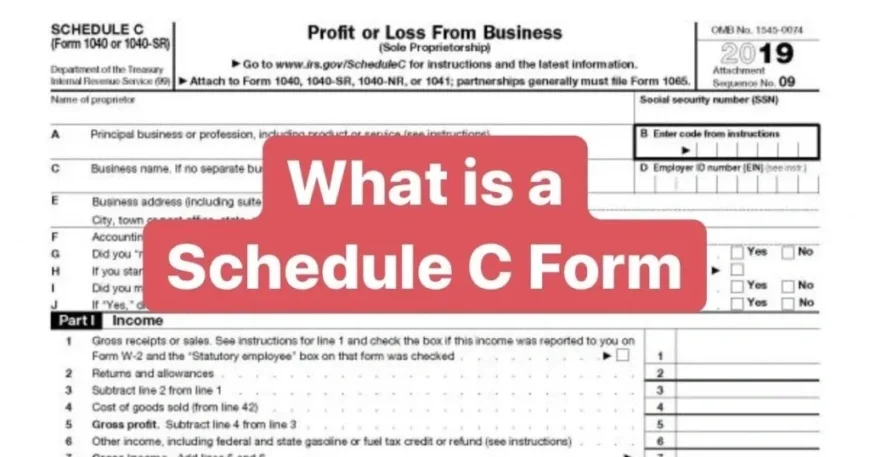
Filing your 1040 Schedule C can feel overwhelming — especially if it’s your first time preparing business tax forms. Whether you’re a freelancer, independent contractor, or small business owner, 1040 Schedule C is where you report your profit or loss from a sole proprietorship. When done correctly, it can help minimize taxes and maximize deductions. When done poorly, it can trigger audits or cost you money.
In this article, we’ll walk through the top 7 painful mistakes taxpayers make on their 1040 Schedule C, show you how to avoid them, and explain how Syed Professional Services (www.syedpro.com) can guide you to solid, error‑free filings. We use simple explanations, real‑world examples, and actionable steps — whether you’re handling your own taxes or working with an accountant.
Why the 1040 Schedule C Matters
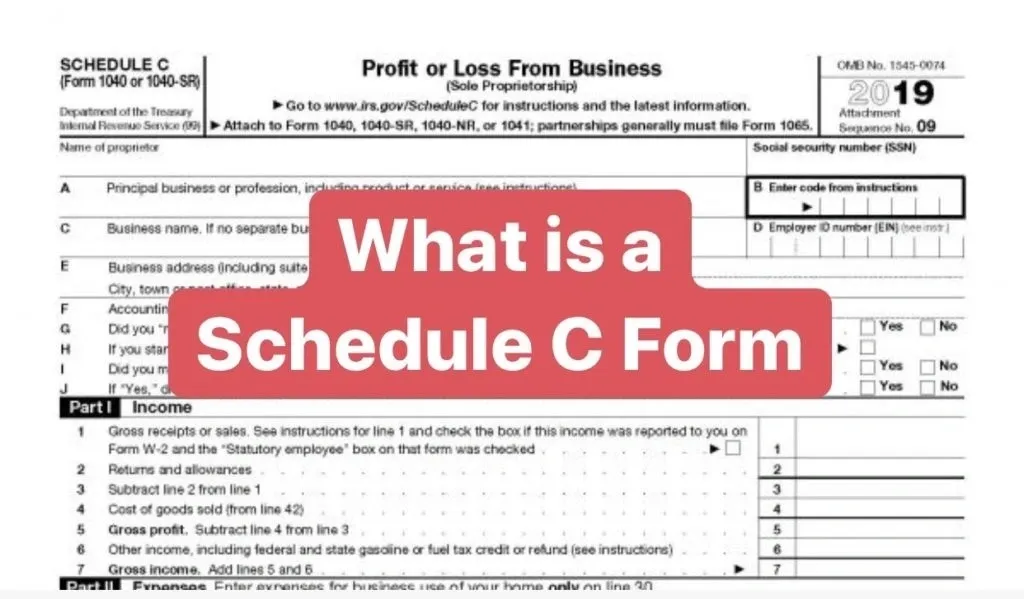
Your 1040 Schedule C is part of your Form 1040 individual tax return. It’s where you report business income and expenses, calculate net profit or loss, and determine how much self‑employment tax you owe. Since this form directly affects your taxable income, even small errors can:
-
Increase your tax bill
-
Trigger IRS notices
-
Lead to penalties and interest
-
Raise audit risk
Understanding common pitfalls helps protect your finances and keeps your business compliant year after year.
Painful Mistake #1: Misclassifying Personal vs Business Expenses
One of the most frequent problems on a 1040 Schedule C is mixing personal costs with legitimate business expenses.
For example:
-
A portion of your cellphone bill is used for personal calls
-
Home internet used for personal streaming
-
Meals that aren’t business‑related
The IRS allows deduction of business‑only expenses. Claiming personal costs on your 1040 Schedule C can lead to denied deductions or audit triggers.
How to Fix It:
Keep separate accounts for personal and business expenses. Use clear documentation to justify each deduction claimed on your 1040 Schedule C.
Painful Mistake #2: Failing to Track Mileage Properly
If you use your car for business, you may qualify for a mileage deduction on your 1040 Schedule C. But many filers miss record‑keeping basics:
-
Not noting date, miles, or purpose of trip
-
Using estimates instead of actual records
-
Mixing personal and business miles
Without accurate logs, your deduction can be disallowed.
Pro Tip: Use an app or mileage tracker that ties directly to your business trips, and keep receipts for fuel and maintenance.
Painful Mistake #3: Wrongly Reporting Income
All income earned through self‑employment must be reported on your 1040 Schedule C. That includes:
-
1099‑NEC income
-
Cash and tips
-
Payments made through PayPal, Venmo, or other platforms
A surprising number of self‑employed taxpayers forget to include income not reported on a Form 1099.
This can result in a Notice from the IRS for underreported income. The IRS matches income reported by payers with what you report — and discrepancies are often flagged.
Painful Mistake #4: Ignoring Deductions You’re Eligible For
While many people accidentally inflate deductions, a bigger problem is missing deductions you do qualify for on 1040 Schedule C:
-
Home office deduction
-
Startup costs
-
Office supplies
-
Professional fees
-
Advertising and marketing
-
Business insurance
Failing to claim these correctly means you pay more tax than necessary.
Action Step: Maintain organized records and consult with a tax professional to ensure you’re taking full advantage of every legitimate deduction on your 1040 Schedule C.
Painful Mistake #5: Improper Home Office Deduction
The home office deduction is one of the most misunderstood sections of the 1040 Schedule C. Many filers either:
-
Claim the deduction incorrectly
-
Use an overly generous square footage
-
Don’t meet the exclusive business‑use test
The IRS requires that the space you deduct for business is used regularly and exclusively for business purposes.
If you claim it incorrectly on your 1040 Schedule C, the deduction could be denied or trigger further review.
Painful Mistake #6: Forgetting Self‑Employment Tax
Your 1040 Schedule C calculates net profit or loss, but that’s not the only tax you owe.
When you have net self‑employment earnings, you’re also responsible for self‑employment tax. That covers Social Security and Medicare contributions otherwise withheld from employee wages.
Many small business owners underestimate this tax, leading to unexpected bills and underpayment penalties.
Good Planning Tip: Estimate your self‑employment tax early to avoid a surprise when filing your 1040 Schedule C.
Painful Mistake #7: Not Using Professional Help When Needed
Preparing your 1040 Schedule C on your own can save money — but if you’re unsure about deductions, record‑keeping, or IRS rules, mistakes can quickly outweigh the cost savings.
Syed Professional Services specializes in:
-
Tax planning and preparation
-
Accounting services
-
Business expense analysis
-
Audit support
Our team ensures your 1040 Schedule C is accurate, complete, and optimized so you minimize tax burden legally and efficiently.
Best Practices When Filing 1040 Schedule C
To help ensure your 1040 Schedule C filing is smooth and error‑free, follow these best practices:
📌 Keep Organized Records
Organize receipts, bank statements, invoices and mileage logs throughout the year.
🗂 Separate Business & Personal Finances
Use a dedicated business bank account and credit card.
📆 Review Quarterly
Check income and expenses quarterly to make timely adjustments.
📊 Work with a Professional
Book a consultation with Syed Professional Services to get personalized tax advice.
Frequently Asked Questions About 1040 Schedule C
What is a 1040 Schedule C?
It’s a tax form used by sole proprietors to report business income and expenses. It determines your net profit or loss for tax purposes.
Who needs to file a 1040 Schedule C?
If you operate a business as a sole proprietor or independent contractor and have income from self‑employment, you likely need to file a 1040 Schedule C.
Can I deduct my home office on 1040 Schedule C?
Yes, if your home office meets IRS criteria of regular and exclusive business use.
What records do I need for my 1040 Schedule C?
Keep receipts, invoices, bank statements, mileage logs, and any documentation supporting income or deductions.
Does filing 1040 Schedule C increase audit risk?
Certain deductions or large losses may draw closer scrutiny, but accurate records and professional help reduce this risk.
Do I pay extra tax with 1040 Schedule C?
You’ll pay income tax and self‑employment tax on net earnings reported on your 1040 Schedule-C.
Conclusion
Filing your 1040 Schedule-C doesn’t have to be painful — but common mistakes can turn tax season into a headache. By understanding what errors to avoid, tracking income and expenses carefully, and seeking expert help from Syed Professional Services, you’ll file confidently and accurately.
Remember: your 1040 Schedule-C affects your tax liability and long‑term financial picture. Take time to prepare it correctly, keep thorough documentation, and consult a trusted professional when questions arise.
💡 Ready to get professional support with your 1040 Schedule-C? Visit www.syedpro.com today to schedule a consultation and protect your financial future.

