

Introduction
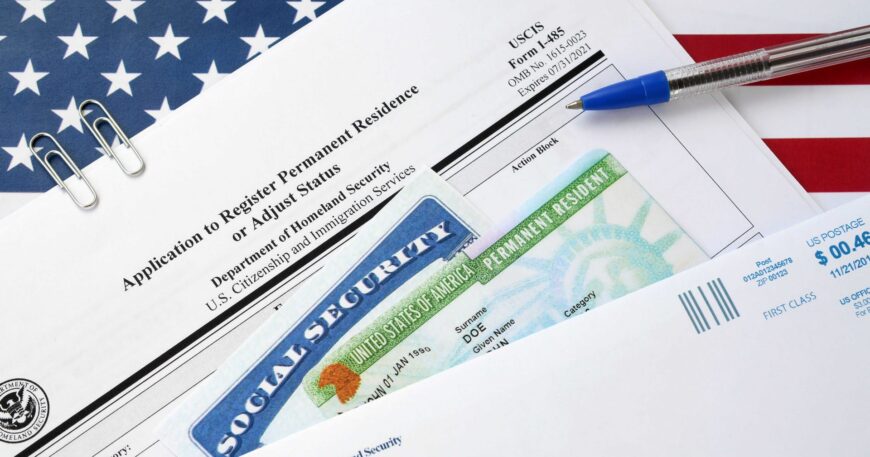
Navigating the world of USCIS forms can be overwhelming, confusing, and even stressful for many immigrants and visa applicants. Whether you are applying for a green card, citizenship, work permit, or travel document, a small mistake in your forms can delay processing or even result in rejection. That’s why it’s crucial to understand every step of the process and know how to complete your USCIS forms correctly.
In this comprehensive guide, we’ll walk you through the most common pitfalls, provide expert tips, and offer actionable advice for managing your USCIS forms efficiently. By the end of this article, you will feel more confident navigating the immigration paperwork with precision and clarity.
Understanding USCIS Forms: The Basics
What Are USCIS Forms?
USCIS forms are official documents issued by the United States Citizenship and Immigration Services. They are required for almost every immigration-related process, including applying for permanent residency, citizenship, visas, and employment authorization. Each form has a specific purpose, instructions, and filing requirements.
Common USCIS forms include:
-
Form I-130: Petition for Alien Relative
-
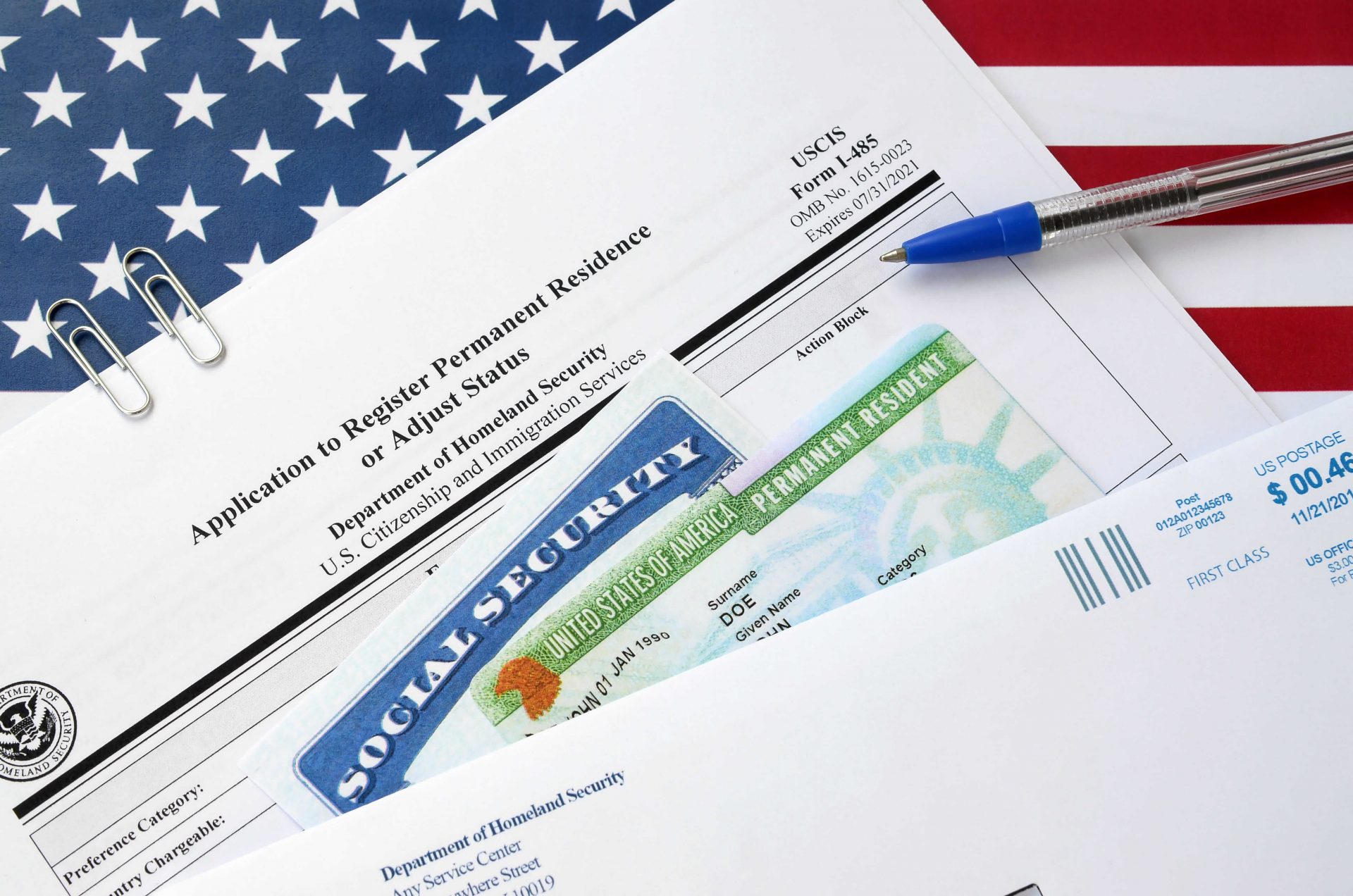
Form I-485: Application to Register Permanent Residence
-
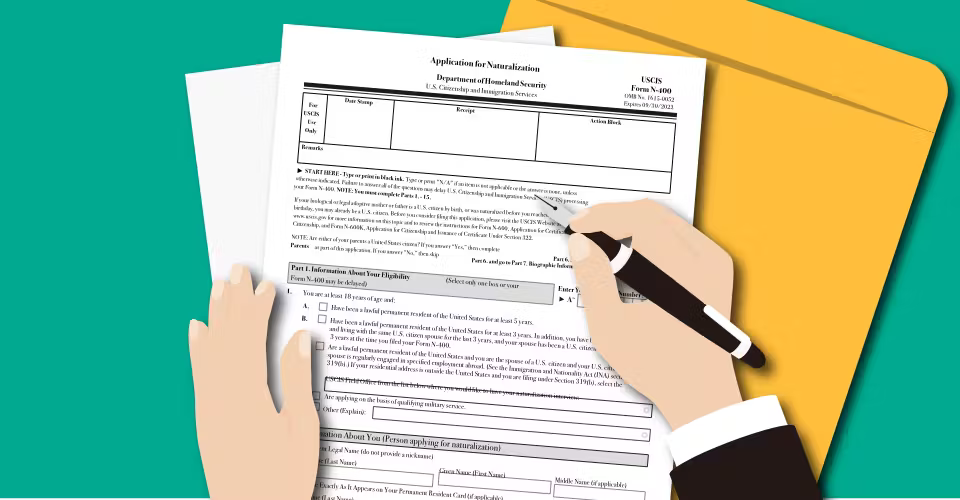
Form N-400: Application for Naturalization
-
Form I-765: Application for Employment Authorization
-
Form I-90: Application to Replace Permanent Resident Card
Completing these forms accurately is critical because even minor errors can lead to delays, additional fees, or outright denials.
Why Accuracy Matters
Accuracy is paramount when dealing with USCIS forms. Any discrepancy in your personal information, supporting documents, or signatures can trigger requests for evidence (RFEs) or rejections. Moreover, errors may inadvertently impact your immigration status, creating unnecessary stress and complications.
By understanding each form’s purpose and following instructions carefully, applicants can avoid common pitfalls and ensure smoother processing.
Tip 1: Start Early and Stay Organized
One of the most overlooked mistakes is procrastination. Many applicants underestimate the time needed to gather documents, complete forms, and review submissions. Start early to avoid last-minute errors.
Actionable Steps:
-
Create a checklist for each required document
-
Keep digital and physical copies of all documents
-
Maintain a calendar for deadlines and submission dates
Proper organization helps ensure that all necessary documents accompany your USCIS forms, reducing the likelihood of delays.
Tip 2: Read Instructions Thoroughly
Each USCIS form comes with detailed instructions. Ignoring them is a common cause of mistakes. Make sure to read every section carefully before filling out your form.
Key Pointers:
-
Highlight critical sections and notes
-
Pay attention to fee requirements
-
Check whether additional documents or evidence are needed
Following the instructions not only increases accuracy but also demonstrates diligence and professionalism in your submission.
Tip 3: Double-Check Personal Information
Errors in basic personal information are surprisingly common. Your name, date of birth, address, and identification numbers must match exactly with your supporting documents.
Tips to Avoid Mistakes:
-
Compare every field with your passport or visa
-
Ensure consistency in name spelling across all USCIS forms
-
Verify dates and contact information carefully
Consistency ensures the USCIS can process your forms without unnecessary confusion or RFEs.
Tip 4: Avoid Common Mistakes
Some mistakes frequently occur when completing USCIS forms:
-
Leaving fields blank instead of writing “N/A”
-
Using outdated forms or versions
-
Forgetting signatures or initials
-
Submitting forms without required fees
Avoiding these pitfalls is essential to prevent costly delays and rejections.
Tip 5: Seek Expert Guidance When Needed
Navigating USCIS forms can be challenging. Consulting professionals, like Syed Professional Services, ensures you complete forms correctly and efficiently.
Benefits of Expert Assistance:
-
Clarification on complicated eligibility requirements
-
Step-by-step guidance on documentation
-
Reduced risk of errors and delays
An expert review may save months of waiting and significant frustration.
Tip 6: Use Correct Forms and Updates
USCIS periodically updates forms, instructions, and filing fees. Using outdated forms can result in rejection.
Pro Tips:
-
Download forms directly from the official USCIS website
-
Check the revision date on each form
-
Stay informed about updates and policy changes
Accuracy in using the latest forms ensures timely processing and compliance with USCIS requirements.
Tip 7: Submit Complete and Organized Applications
Incomplete applications are one of the main reasons for delays. Make sure your submission includes all required documents, signatures, and fees.
Checklist for Complete Submission:
-
All supporting documents (passport, photos, affidavits)
-
Correct fees in the acceptable payment method
-
Signed and dated forms
An organized application reduces the risk of RFEs and helps your case move forward without unnecessary setbacks.
Tip 8: Keep Copies of Everything
Always maintain copies of your USCIS forms and all supporting documents. These copies serve as a reference if the USCIS requests additional information.
Recommended Practices:
-
Keep both digital and hard copies
-
Label each document clearly
-
Organize files by form type and submission date
Having copies also helps track your immigration history and simplifies future applications.
Tip 9: Track Your Application
After submitting your USCIS forms, you can track the status online. Knowing the status allows you to respond promptly if the USCIS requests additional evidence or clarification.
Tools to Use:
-
USCIS online case status tool
-
Email notifications and updates
-
Maintain a personal tracking log
Monitoring your application ensures you stay ahead of deadlines and avoid unnecessary delays.
Tip 10: Learn from Mistakes
Even with the best preparation, mistakes can happen. Learning from errors improves your future applications. Review any RFEs carefully and take corrective action.
Tips for Improvement:
-
Analyze common mistakes in rejected applications
-
Adjust your checklist and submission process
-
Seek professional advice to prevent repetition
Continuous improvement and attention to detail are key to successful immigration processing.
Frequently Asked Questions About USCIS Forms
What is the most common USCIS form?
The most commonly used form is Form I-130 (Petition for Alien Relative), followed by I-485 (Adjustment of Status).
How often do USCIS forms get updated?
Forms can be updated periodically; always check the USCIS official website for the latest version.
Can I submit USCIS forms online?
Yes, some forms allow online submission, but others require paper filing. Refer to USCIS instructions for each form.
What happens if I make a mistake on my USCIS forms?
Minor errors may trigger an RFE; major mistakes can lead to rejection and delays.
Do I need to hire a lawyer to fill USCIS forms?
While not required, consulting an immigration professional reduces errors and increases the likelihood of approval.
How long does it take for USCIS forms to be processed?
Processing times vary by form type and location; check USCIS processing time tool for updates.
Conclusion
Successfully completing USCIS forms doesn’t have to be stressful or confusing. By starting early, staying organized, following instructions, and seeking expert guidance when necessary, applicants can reduce errors, avoid delays, and confidently navigate the U.S. immigration system.
At Syed Professional Services, we specialize in helping clients accurately complete USCIS forms, providing professional support that ensures smooth processing and peace of mind. Remember, preparation, attention to detail, and guidance from experts are the keys to immigration success.
For more information on immigration forms and professional assistance, visit the official USCIS

