

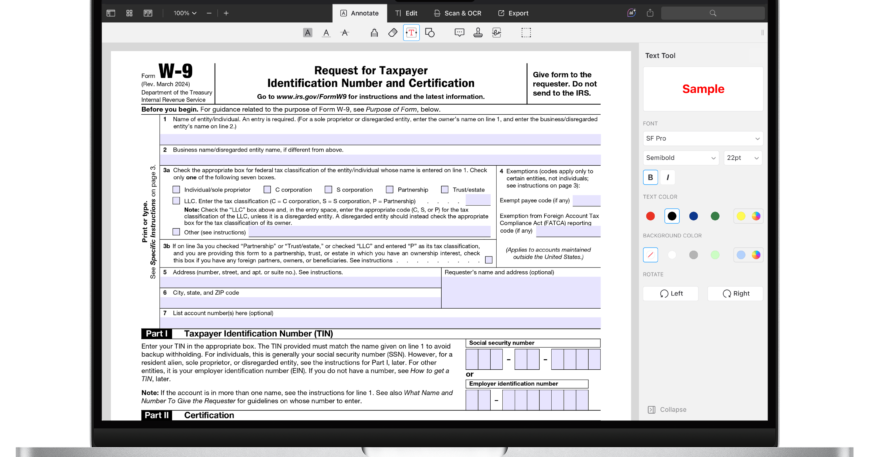
Mastering the W9 Form: A Complete Guide to Understanding Its Importance
The W9 form is one of the most crucial documents in the world of taxes, especially for independent contractors, freelancers, and businesses. Despite its importance, many people are still unsure about when to use the W9 form, what information it requires, and how it affects their tax filings. If you’re new to the world of taxes, understanding the W9 form is essential to ensure compliance and avoid costly mistakes.
In this comprehensive guide, we’ll walk you through everything you need to know about the W9 form, including its purpose, how to fill it out, and its importance for both individuals and businesses. By the end of this post, you’ll be an expert on the W9 form and understand its role in both tax preparation and business operations.
What is the W9 Form?
The W9 form, also known as the Request for Taxpayer Identification Number and Certification, is a tax form used by businesses and individuals to request your taxpayer identification number (TIN) or Social Security number (SSN). The purpose of the form is to report income paid to you during the year, especially for those working as freelancers, independent contractors, or for businesses that are required to report payments to the IRS.
While you may be familiar with other tax forms like the W-2 (for employees) or the 1099 (for reporting self-employment income), the W9 form is typically used in situations where you aren’t considered a full-time employee but still need to report your earnings. It’s most commonly used by contractors or freelancers who perform services for a company, and it helps ensure that income tax is properly reported.
When Do You Need to Use the W9 Form?
Understanding when the W9 form is necessary can be a bit tricky, but here are some of the most common scenarios when it’s required:
-
Freelancers and Independent Contractors: If you are a freelancer, contractor, or consultant providing services to a business or individual, they will ask you to complete the W9 form before paying you. The company uses the information to report your earnings on a 1099 form at the end of the year.
-
Businesses Hiring Independent Contractors: If you’re a business owner and hire independent contractors or freelancers, you’ll request a W9 form from each contractor before making payments. This form allows you to report their earnings to the IRS.
-
Real Estate Transactions: The W9 form can also be used for real estate transactions, where the seller or purchaser of property may be required to fill it out to report any payments made.
-
Prize or Award Payments: If you win a prize or receive an award from a company or organization, you may be asked to fill out a W9 form to report that income for tax purposes.
Why is the W9 Form Important?
The W9 form is important for several reasons, both for individuals and businesses:
-
Tax Reporting: The information provided on the W9 form is used by businesses to prepare accurate 1099 forms for independent contractors. This is critical for the IRS, as it helps track taxable income and ensures you are paying the appropriate taxes on your earnings.
-
Avoiding Backup Withholding: If you don’t submit a W9 form, or if your form has incorrect or incomplete information, the business paying you may be required to withhold a portion of your earnings for taxes (referred to as “backup withholding”). By providing accurate information on the W9 form, you can avoid this issue.
-
Filing Your Taxes Correctly: By submitting a W9 form, businesses will have the correct data to report to the IRS at the end of the year. This ensures that your income is accurately reported, and you can file your taxes without complications.
-
Ensuring Compliance: For businesses, obtaining a completed W9-form from contractors helps ensure that they are following IRS regulations and are prepared to issue the proper forms (1099s) at the end of the year.
How to Fill Out the W9-Form
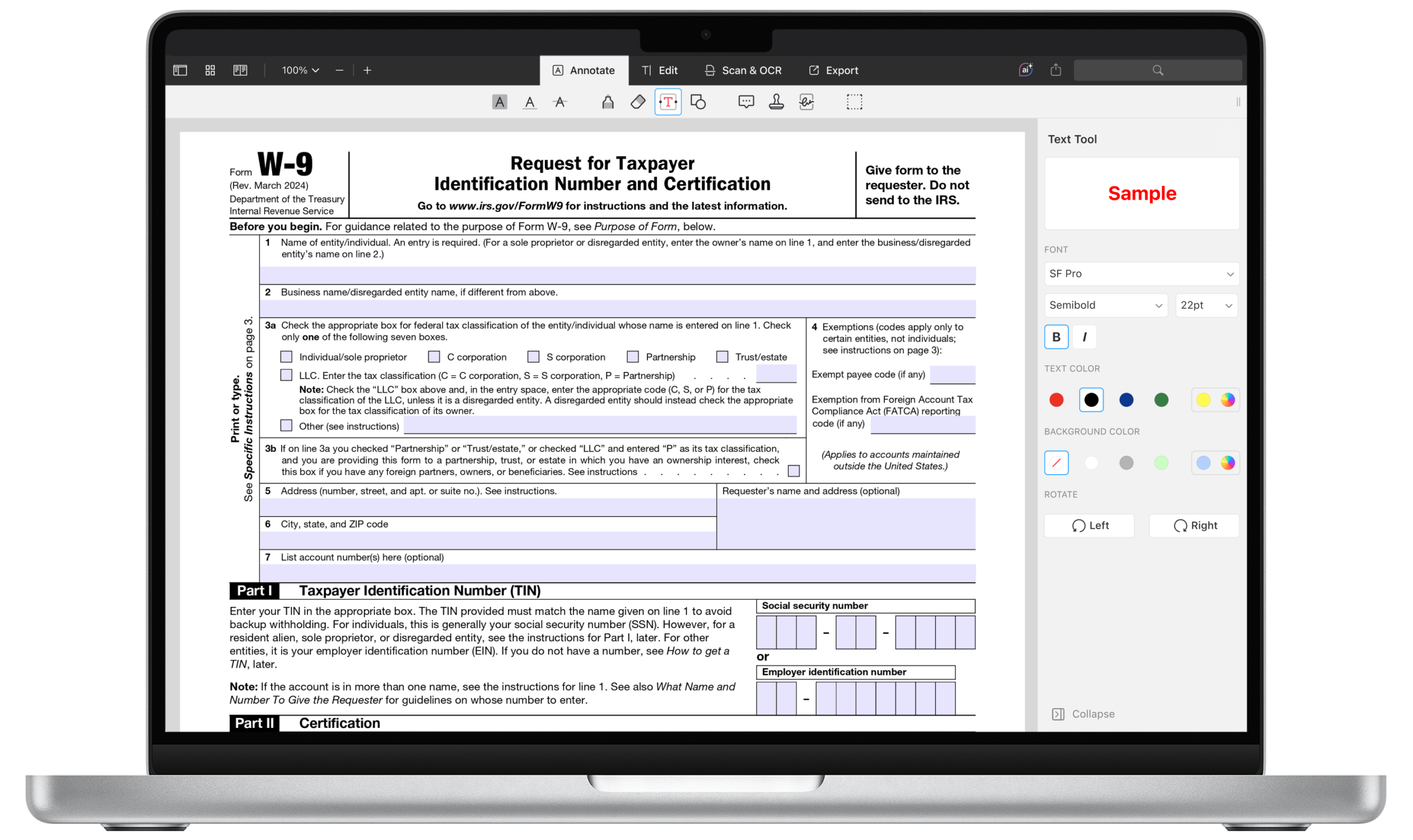
Filling out the W9 form is relatively simple, but it’s important to make sure you enter the correct information. Here’s a step-by-step guide on how to complete the form:
-
Enter Your Name: The first section of the W9-form asks for your name. If you are an individual, enter your legal name. If you are a business entity, enter your business name.
-
Business Name (if applicable): If you are filling out the form as a business, you’ll need to include your business name in this section. If you’re an independent contractor, skip this step.
-
Check Your Tax Classification: The form asks you to select your tax classification. For most individuals, this will be “Individual/Sole Proprietor.” However, if you are filling out the form on behalf of a corporation, partnership, or another entity, you will need to check the appropriate box.
-
Enter Your Address: Provide your current address, including street address, city, state, and ZIP code.
-
Provide Your Taxpayer Identification Number (TIN): This is where you will enter your SSN or Employer Identification Number (EIN). If you’re an individual or sole proprietor, you’ll use your SSN. If you have an EIN for your business, you’ll provide that number.
-
Certification: At the end of the form, you’ll need to certify that the information you’ve provided is accurate by signing and dating the form. You are also certifying that you are not subject to backup withholding, unless required by law.
-
Submit the W9-Form: Once you’ve completed the W9-form, submit it to the requester. This could be your client, employer, or another entity that needs the information.
Common Mistakes to Avoid When Filling Out the W9-Form
While the W9-form is straightforward, there are a few common mistakes that can cause issues:
-
Incorrect Taxpayer Identification Number (TIN): Ensure that the TIN you provide is correct, whether it’s your SSN or EIN. Double-check this number to avoid any issues with your tax filings.
-
Missing or Incorrect Information: The W9-form requires accurate personal and business information. Make sure your name, address, and business name (if applicable) are correct to avoid delays in processing.
-
Not Certifying the Form: Don’t forget to sign and date the form. This certification is legally binding, and without it, the form is not valid.
-
Not Updating the W9-Form: If any of your information changes (such as your address or business name), you need to submit an updated W9-form. Businesses are entitled to request a new form from you if your information changes.
What Happens If You Don’t Submit a W9 Form?
If you fail to submit a W9-form when requested, you may face backup withholding. This means that the business paying you will withhold a percentage of your income (usually 24%) for tax purposes. This can be frustrating and lead to unnecessary tax complications down the road.
Additionally, not submitting a W9-form could delay your payments, as many businesses won’t process payments until the form is completed.
W9 Form vs. 1099 Form: What’s the Difference?
It’s important to understand that the W9-form and the 1099 form are related but serve different purposes:
-
W9 Form: This is the form you fill out to provide your taxpayer information to the business paying you.
-
1099 Form: This form is issued by the business at the end of the year to report the income they paid you. The business uses the information provided on your W9-form to fill out the 1099.
In short, the W9-form is used to collect your information, while the 1099 form reports the income paid to you during the year.
Who Needs to Submit a W9 Form?
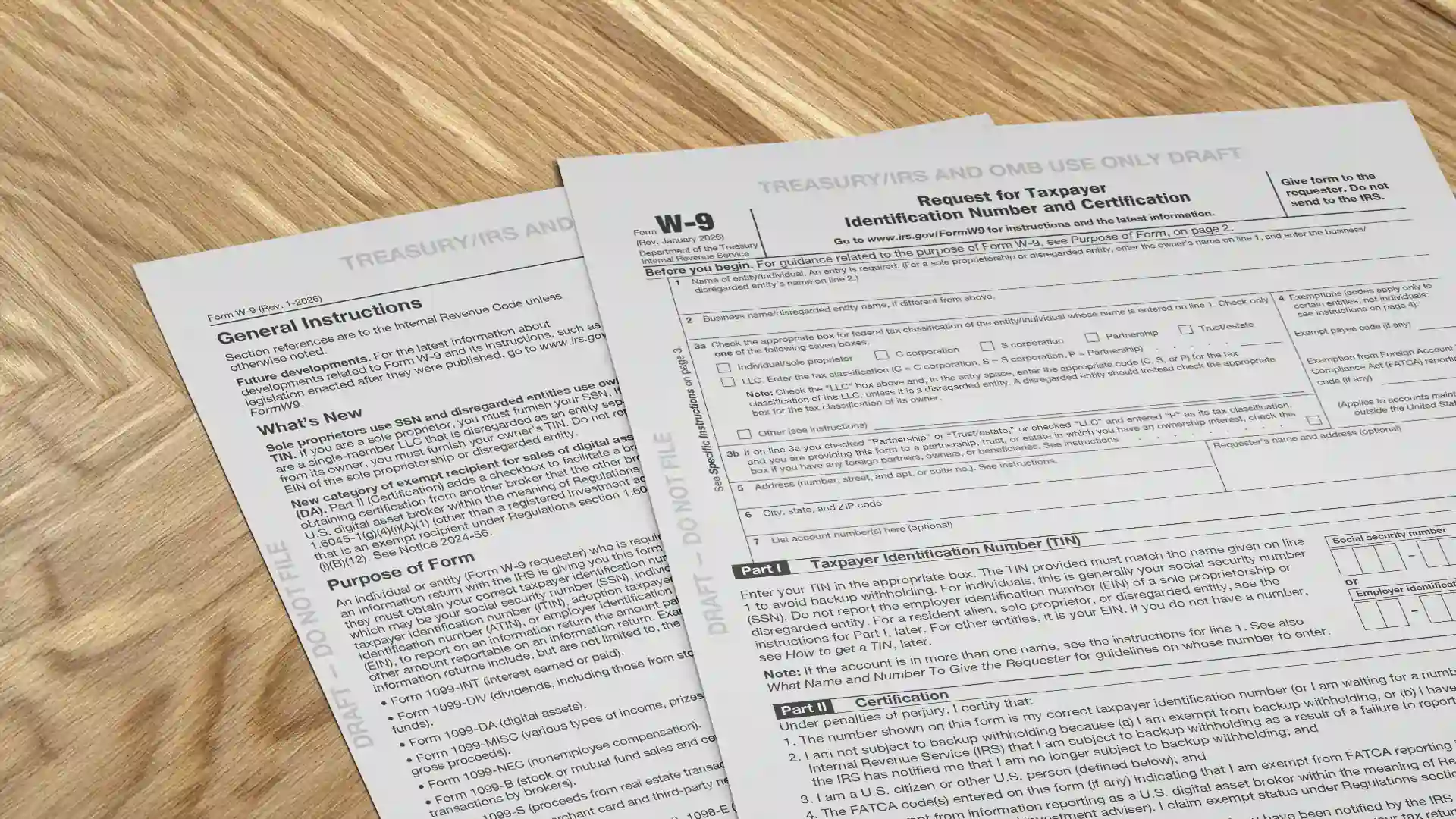
Not everyone needs to submit a W9-form. You’ll need to submit the form if:
-
You are an independent contractor or freelancer who will be paid $600 or more during the year by a single business.
-
You are a business or entity that will be paying contractors, freelancers, or other non-employees.
-
You are involved in a real estate transaction or a prize or award payment.
Conclusion: Understanding the W9-Form
The W9 form is a critical part of the tax process for freelancers, contractors, and businesses. Understanding when and why it’s necessary, how to fill it out correctly, and the consequences of failing to submit it can save you time, money, and headaches in the long run. Whether you’re a freelancer just starting out or a business owner managing contractors, the W9-form is an essential document that ensures accurate tax reporting and compliance.
At Syed Professional Services, we understand the complexities of tax filings and can help you navigate the various forms, including the W9-form. If you have questions or need assistance with completing the form, don’t hesitate to reach out to us. Our expert team is here to help!

