

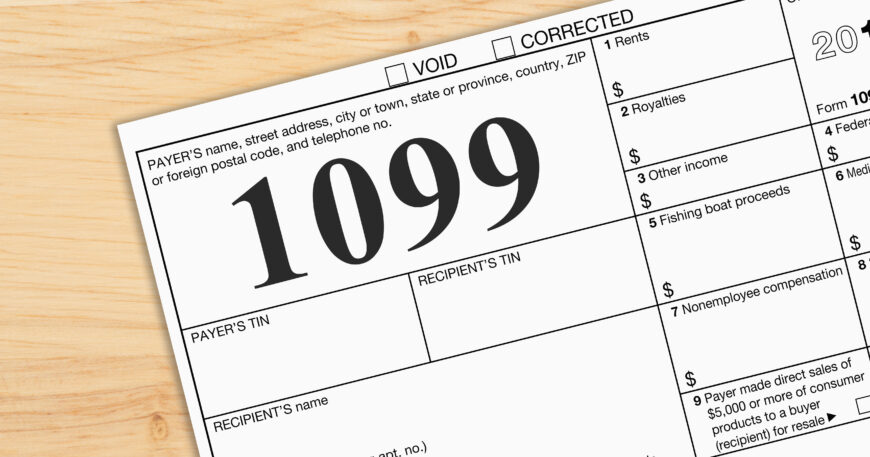
Introduction to Form 1099: A Crucial Document for Tax Season
Form 1099 is a vital tax document that all businesses and individuals should be familiar with. It reports income other than wages, salaries, and tips. Whether you are a freelancer, contractor, or business owner, understanding Form 1099 is crucial for tax compliance. In this guide, we will dive into what Form 1099 is, when it is required, the different types, how to fill it out, and common mistakes to avoid.
What Is Form 1099?
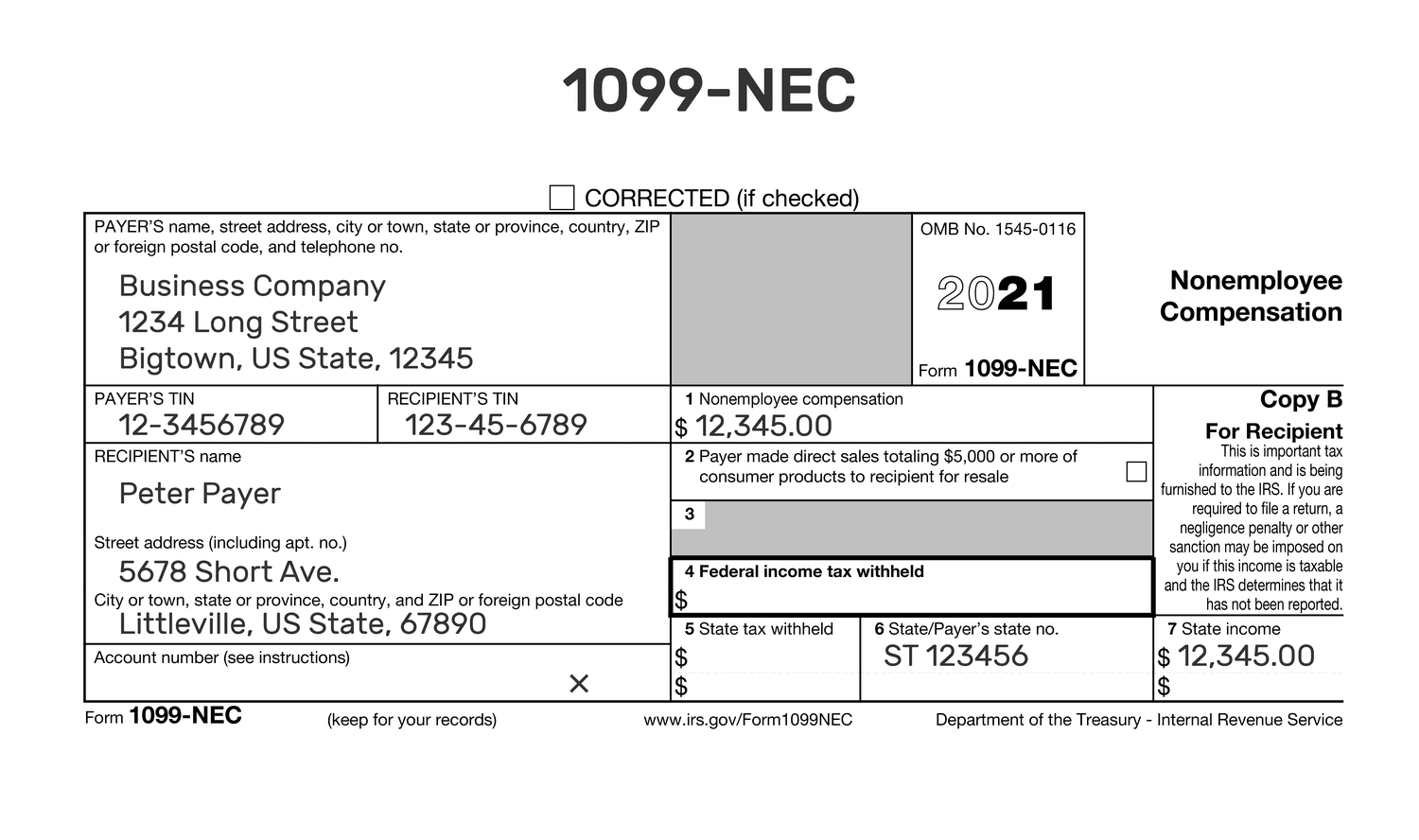
Form 1099 is an information return used by businesses and other entities to report income paid to contractors, freelancers, and other non-employees. This form serves as a record for both the payer and the payee and is used to report various types of income. If you’ve ever worked as an independent contractor, you’ve likely received this form. It helps the IRS track income that might not be captured by standard W-2 employment.
The IRS requires a 1099 form to be issued if a business or individual has paid a non-employee $600 or more during the tax year. Various versions of Form 1099 exist, each designed to report different types of payments. The most common version is Form 1099-MISC, which is typically used to report payments made to independent contractors.
Types of Form 1099
There are several different types of Form 1099, each serving a different purpose:
- Form 1099-MISC: Used to report payments to independent contractors and freelancers.
- Form 1099-NEC: Introduced in 2020, this form is specifically for reporting non-employee compensation (previously reported on 1099-MISC).
- Form 1099-DIV: Used to report dividends and distributions from investments.
- Form 1099-INT: Reports interest income from banks, credit unions, and other financial institutions.
- Form 1099-B: Used to report the sale of stocks, bonds, and other securities.
- Form 1099-G: Reports government payments, including unemployment benefits and state tax refunds.
While these are just a few examples, the important thing to remember is that Form 1099 encompasses a wide variety of income types, all requiring reporting to the IRS. It’s important to understand which version of the form you need based on your income type.
Who Needs to File Form 1099?
Any business or individual that has paid a non-employee $600 or more during the year must issue a Form 1099. This includes:
- Businesses paying independent contractors: If your company hires freelancers or independent contractors, you need to file a 1099 form for anyone who earned $600 or more.
- Investment income: Banks, mutual funds, and brokers must file Form-1099-INT or 1099-DIV to report interest or dividend income earned by individuals.
- Self-employed individuals: If you work as a freelancer or independent contractor and earned income of $600 or more, you should expect to receive a Form 1099 from each of your clients who paid you over that amount.
If you are unsure whether you need to file Form-1099, consulting with a tax professional can help ensure you are complying with IRS regulations.
How to Fill Out Form 1099
Filling out a Form-1099 can seem daunting, but it is essential to ensure accurate tax reporting. The process begins with collecting the necessary information. Here’s a step-by-step guide on how to fill out Form-1099:
- Obtain the Form: The IRS provides Form-1099 for free, and you can order them directly from the IRS or use tax software to generate the form.
- Enter Payer Information: In the top section, enter the name, address, and taxpayer identification number (TIN) of the person or business issuing the 1099 form.
- Enter Payee Information: Below the payer information, enter the name, address, and TIN of the person receiving the payment.
- Report Payments: Report the total amount paid to the payee during the tax year. This will include any non-employee compensation, interest, dividends, etc., depending on which version of Form-1099 you are using.
- File the Form: Once you have completed the form, send a copy to the payee and submit the form to the IRS by the required deadline (usually by January 31).
When to File Form-1099
Form-1099 must be filed by January 31 of the year following the tax year in which the income was paid. For example, if you made payments to a freelancer in 2025, you would need to file Form 1099 by January 31, 2026.
If you file Form-1099 electronically, the deadline may extend to March 31. However, it’s always best to file as early as possible to avoid penalties and interest for late submissions.
Common Mistakes to Avoid When Filing Form-1099
Filing Form 1099 may seem straightforward, but there are a few common mistakes that taxpayers make. Here’s how to avoid them:
- Incorrect Payee Information: Double-check the payee’s name, address, and TIN to ensure they are accurate. If there’s a mistake, the IRS may reject your submission or impose penalties.
- Missing or Late Filings: Ensure you file Form-1099 on time. If you miss the deadline, you may face significant penalties.
- Incorrect Payment Amount: Report the exact amount you paid to the contractor. Overreporting or underreporting could cause confusion for both the payee and the IRS.
- Filing the Wrong Form: Be sure to use the correct version of Form-1099. If you’re reporting non-employee compensation, use Form-1099-NEC.
- Failing to Provide a Copy to the Payee: You must send a copy of the 1099 form to the contractor by the filing deadline.
By being aware of these common mistakes, you can ensure your tax reporting is accurate and timely.
How Syed Professional Services Can Help
Navigating the complexities of Form-1099 can be overwhelming, especially if you are unfamiliar with the tax rules. That’s where Syed Professional Services comes in. We specialize in tax, accounting, and immigration services, helping businesses and individuals with their financial needs.
Our team of experts can assist you in the following ways:
- Accurate Filing: We help ensure that your Form-1099 is filed correctly and on time.
- Compliance Assurance: We guide you through the IRS rules and regulations related to Form-1099 to ensure that you are fully compliant.
- Avoiding Penalties: Our team helps you avoid the common pitfalls of tax filing, minimizing the risk of penalties and audits.
Contact us today to learn more about how Syed Professional Services can assist you with your Form-1099 needs.
Conclusion
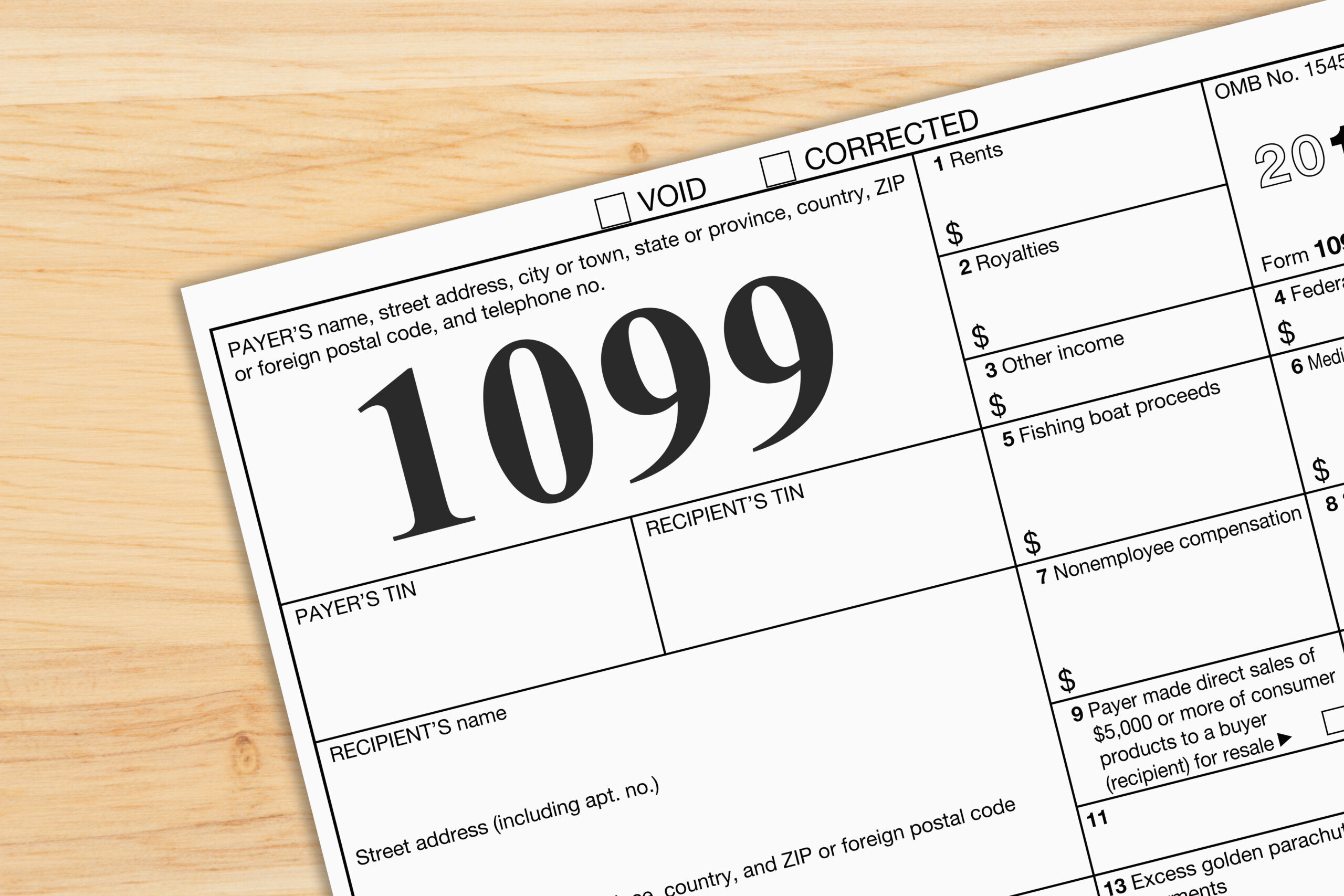
Form 1099 is an essential tool in ensuring that income is accurately reported to the IRS. Whether you are a freelancer, contractor, or business owner, understanding Form-1099 is vital for your financial health. With the right knowledge, you can avoid common mistakes and ensure that your filing is timely and correct.
At Syed Professional Services, we are here to assist you in every step of the way. Don’t navigate the complexities of Form-1099 alone—let us help you ensure compliance and avoid costly errors. Contact us today to get started!

