

Understanding Schedule 1 IRS: What It Is, How to Fill It Out, and Why It Matters for Your Taxes
Filing taxes can be overwhelming, but understanding the forms required for your filing can make the process smoother. One form that many individuals overlook is Schedule 1 IRS. This form can seem complex at first glance, but it plays a crucial role in determining your tax liability. If you’re new to filing taxes or have recently come across Schedule 1, this guide will help explain what it is, how to fill it out, and why it’s essential to your tax situation.
In this post, we’ll dive deep into Schedule 1 IRS, providing all the details you need to file it correctly and avoid common mistakes. Whether you’re self-employed, have other income, or are claiming specific deductions, understanding this form is crucial.
What Is Schedule 1 IRS?
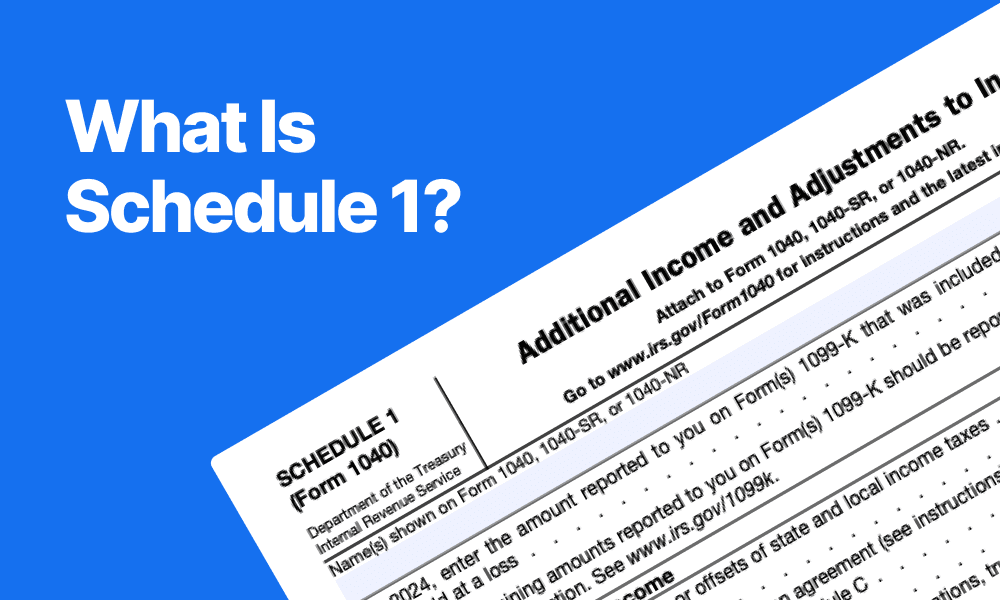
Schedule 1 IRS is an additional form used by the IRS to collect specific income and adjustments to income that are not included in the standard Form 1040. The form is used by taxpayers who have income or deductions that are outside the typical scope of the 1040, such as self-employment income, unemployment benefits, or other types of income not normally reported. It’s also used for tax deductions like student loan interest, tuition, and other miscellaneous deductions that you might be eligible for.
Think of Schedule 1 IRS as an extension to the main Form 1040, designed to help the IRS understand all your income sources and applicable adjustments in more detail.
When Do You Need to File Schedule 1 IRS?
Not everyone needs to file Schedule 1 IRS. You will only need to fill out this form if you have certain types of income or are claiming certain deductions that aren’t directly reported on the Form 1040. These might include:
- Additional income: This includes things like unemployment benefits, alimony, gambling winnings, or business income.
- Adjustments to income: For example, contributions to traditional IRAs, student loan interest deductions, or tuition expenses.
- Other types of income: Interest from foreign bank accounts, rental income, or dividends from stocks not part of your main job.
If none of the above apply to you, you might not need to complete Schedule 1 IRS. However, it’s always a good idea to consult a tax professional to ensure you’re meeting all of your tax filing obligations.
Key Sections of Schedule 1 IRS
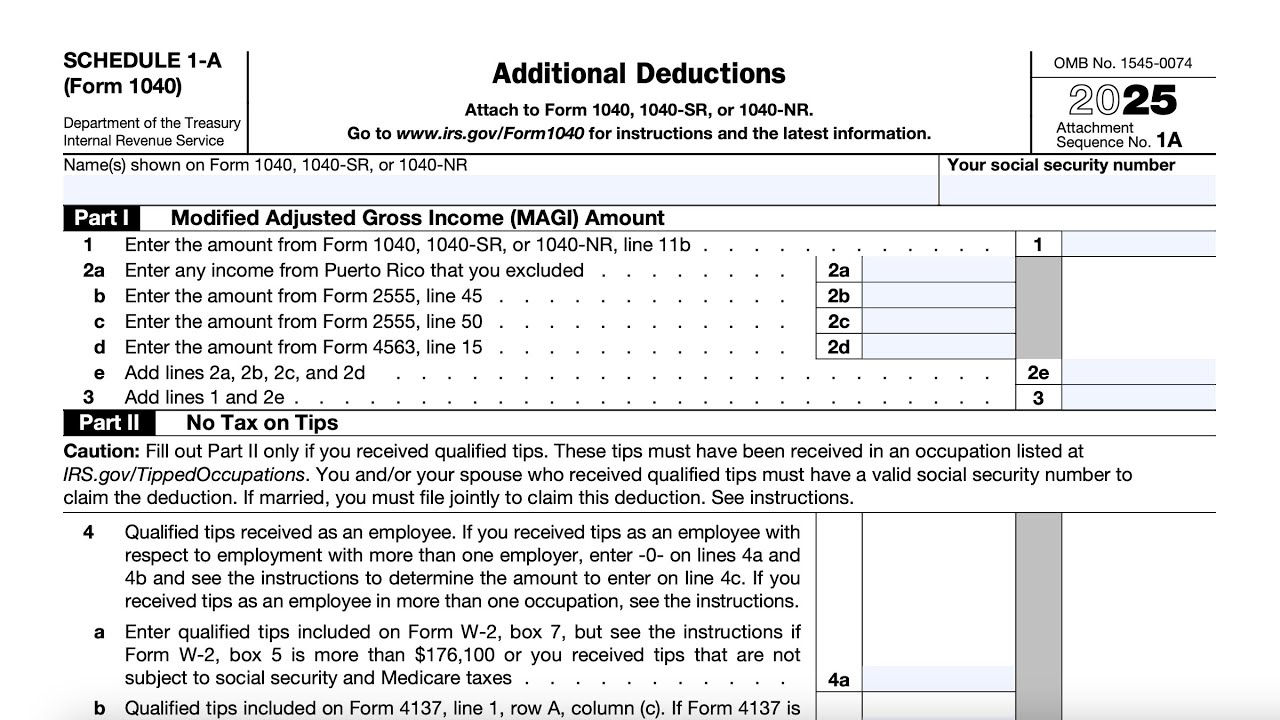
Schedule 1 IRS is divided into two main sections: Part I and Part II. Understanding each section will help you fill out the form correctly.
Part I: Additional Income
Part I of Schedule 1 IRS includes various types of income you may have earned, but that do not appear on your Form 1040. These can include:
- Alimony received (for divorces finalized before 2019)
- Business income or loss (for self-employed individuals or side businesses)
- Gambling winnings or any other winnings
- Unemployment compensation
- Rental income from property you own
- Jury duty pay
- Scholarships or fellowships that aren’t exempt from taxes
These types of income should be listed on Part I of Schedule 1 IRS. You’ll report the total income and then combine it with your Form 1040 to calculate your overall taxable income.
Part II: Adjustments to Income
Part II of Schedule 1 IRS deals with adjustments to income. These adjustments can reduce your taxable income, thus lowering your overall tax liability. Some common adjustments include:
- Student loan interest deduction (up to $2,500 for eligible loans)
- Contributions to traditional IRAs (individual retirement accounts)
- Self-employment tax: If you’re self-employed, you can deduct a portion of your self-employment taxes.
- Educator expenses: Teachers and eligible educators can deduct up to $250 for classroom supplies.
- Tuition and fees deduction
These deductions can be extremely helpful in reducing your overall taxable income, and Schedule 1 IRS allows you to claim them.
How to Fill Out Schedule 1 IRS
Filling out Schedule 1 IRS might seem complex, but if you follow the instructions carefully, it becomes more manageable. Here’s a step-by-step breakdown of how to complete it:
- Start with Part I (Additional Income): List all applicable income sources, including gambling winnings, business income, unemployment benefits, and others. Each type of income has a specific line item. Make sure to read the instructions carefully to ensure you’re reporting everything correctly.
- Move on to Part II (Adjustments to Income): If you have any adjustments to income, list them in Part II. Common deductions include student loan interest, IRA contributions, and tuition deductions. These will help reduce your taxable income.
- Double-check your entries: Accuracy is essential when filing taxes. Ensure that you’ve entered your information correctly to avoid potential issues with the IRS. Mistakes on Schedule 1 IRS could delay your refund or cause additional penalties.
- Transfer your totals to Form 1040: After completing Schedule 1 IRS, you’ll need to transfer the totals from this form to the appropriate sections on your Form 1040. The IRS will use this information to calculate your overall tax liability.
Common Mistakes to Avoid When Filing Schedule 1 IRS
Even small errors on Schedule 1 IRS can result in complications. Here are some common mistakes to avoid:
- Forgetting to include all income: Make sure you report every type of income you’ve received, including self-employment income, alimony, and gambling winnings.
- Missing deductions: Don’t overlook possible deductions like student loan interest or IRA contributions. These can significantly reduce your taxable income.
- Incorrect math: Double-check your calculations, especially when transferring numbers from Schedule 1 to Form 1040.
- Failing to attach Schedule 1: Don’t forget to include Schedule 1 IRS when filing your taxes if you’re required to. Missing the form could lead to a delay in processing your return.
Why Schedule 1 IRS Matters for Your Taxes
The Schedule 1 IRS form is not just another piece of paperwork—it’s essential for reporting income and deductions that can directly affect your tax bill. By accurately filling out this form, you can:
- Ensure your tax return is accurate: Report additional income and eligible deductions.
- Maximize your refund: Properly claiming deductions like student loan interest or IRA contributions can reduce your taxable income, leading to a larger tax refund.
- Avoid penalties: Filing incomplete or incorrect returns can result in penalties or delays. By correctly filing Schedule 1 IRS, you minimize this risk.
Should You Consult a Professional?
Filing taxes can be daunting, especially when dealing with forms like Schedule 1 IRS. If you’re unsure whether you need to file this form or how to complete it, consulting a tax professional is always a good idea. A tax advisor can help ensure you’re filling out all the necessary forms correctly, maximizing your deductions, and avoiding any mistakes that could lead to costly penalties.
At Syed Professional Services, we specialize in tax preparation and can assist with Schedule 1 IRS filings to ensure everything is completed accurately and on time. Whether you’re filing as an individual, self-employed, or with complex income sources, we can help you navigate the process with confidence.
Conclusion
In conclusion, Schedule 1 IRS is a vital form that can impact your tax return significantly. Whether you’re reporting additional income or claiming valuable deductions, understanding how to use this form correctly is crucial. By following the steps outlined in this guide, you can ensure your tax return is filed correctly and reduce the risk of errors that might lead to penalties or delays.
If you’re still unsure about how to handle Schedule 1 IRS, don’t hesitate to reach out to us at Syed Professional Services. Our team of experts is here to guide you through the process and help you avoid mistakes.
Remember, when in doubt, consulting with a professional can make all the difference!

