

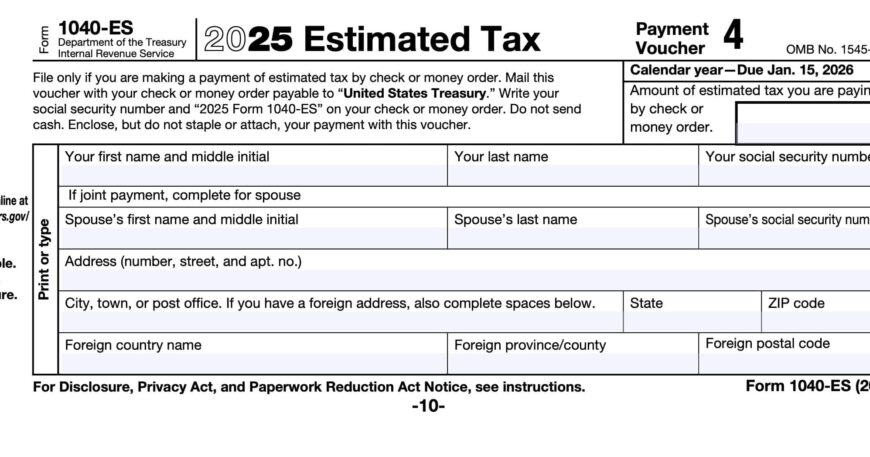
Everything You Need to Know About Form 1040: The Essential Guide to Filing Your Taxes
Filing taxes can be a stressful and confusing process for many, especially when it comes to understanding the various forms required by the IRS. Among these, Form 1040 stands out as the most commonly used form for individual income tax returns in the United States. If you are preparing to file your taxes, this form is crucial. It’s the one you’ll likely use to report your income, deductions, and credits. This post is here to give you a comprehensive understanding of Form 1040, including its components, steps, and common mistakes to avoid.
Whether you’re a first-time filer or you’ve done your taxes many times before, mastering Form 1040 is essential. Let’s dive into the details and see why this form plays such a crucial role in the tax filing process.
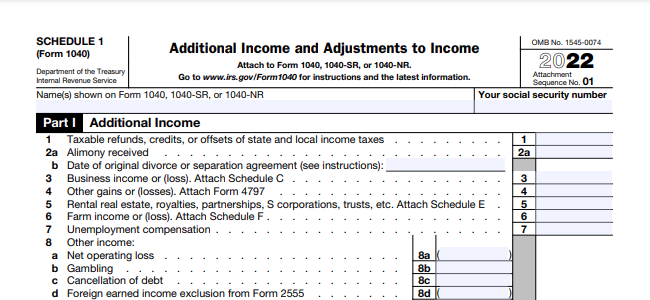
What is Form 1040?
Form 1040 is the standard IRS form used by U.S. taxpayers to file their annual income tax returns. It’s used by individuals to report their income, claim deductions and credits, and calculate their tax liability. The form has undergone several changes over the years, with the most notable being the introduction of a shorter, more simplified version known as Form 1040-SR for seniors.
When you file Form 1040, you report your total income, which can come from various sources such as wages, dividends, and self-employment income. You also need to account for deductions and credits that will reduce your taxable income, which in turn will lower the amount of tax you owe.
The Form 1040 process allows for flexibility depending on your financial situation. You may need to attach additional schedules, such as Schedule A for itemized deductions or Schedule C if you’re self-employed. The IRS requires all taxpayers to file this form, and it’s used to determine whether you owe taxes or will receive a tax refund.
Why Is Form 1040 Important for Your Taxes?
Understanding Form 1040 is critical for several reasons. First, it ensures that you’re complying with tax laws. Filing Form 1040 correctly helps you avoid penalties, fines, or even an audit by the IRS. Furthermore, it’s the first step toward ensuring that you receive any tax refunds you’re owed. Failing to file Form 1040 correctly could result in missed deductions or credits, which means leaving money on the table.
Step-by-Step Guide to Filing Form 1040
Filing Form 1040 can seem like a daunting task, but it doesn’t have to be. Here’s a simple breakdown of the steps to take when filling out this essential form:
- Gather Your Documents:
Before you start, make sure you have all the necessary documentation. This includes:- W-2 forms from your employer
- 1099 forms for any other income
- Records of expenses, if self-employed
- Proof of any deductions, such as mortgage interest or charitable donations
- Choose the Correct Form:
Depending on your situation, you may need to use the standard Form 1040 or a simpler version like Form 1040-EZ. For most individuals, the regular Form 1040 will suffice, but if you’re a senior citizen, Form 1040-SR may be a better option due to its simpler layout. - Fill in Personal Information:
The first section of Form 1040 asks for your basic details, such as your name, address, Social Security number, and filing status (single, married, etc.). Make sure these are accurate to avoid delays. - Report Your Income:
In this section, you will report your total income from all sources. This includes wages, salaries, tips, and any income from self-employment or investments. Form 1040 breaks down different types of income on specific lines, making it easier to fill out. - Adjustments to Income:
After reporting your total income, you’ll subtract certain eligible adjustments to arrive at your adjusted gross income (AGI). These adjustments may include contributions to retirement accounts, student loan interest, and tuition deductions. - Claim Deductions and Credits:
This is where the magic happens. You can either take the standard deduction or itemize your deductions, depending on which is more beneficial. If you itemize, you’ll need to fill out Schedule A. Additionally, you can claim tax credits such as the Child Tax Credit, the Earned Income Tax Credit (EITC), or credits for education expenses. - Calculate Your Tax:
After applying any deductions and credits, you will calculate how much tax you owe. Form 1040 provides tax tables to help with this, and it’s important to follow them accurately to ensure you’re calculating your tax liability correctly. - Submit Your Form:
Once you’ve filled out the entire form, check it over carefully for errors before submitting. The IRS allows you to file Form 1040 electronically, which is faster and more secure. Alternatively, you can file a paper return, though this may take longer.
Common Mistakes to Avoid When Filing Form 1040
Filing Form 1040 can be complicated, and there are several common mistakes that many filers make. Here are some tips on how to avoid these pitfalls:
- Not Reporting All Income:
One of the biggest mistakes people make when filing Form 1040 is failing to report all sources of income. Whether it’s freelance work, interest, dividends, or rental income, make sure you report every dollar you’ve earned. - Incorrectly Claiming Deductions:
Some people mistakenly claim deductions they’re not eligible for, which can delay their return or even lead to penalties. Ensure that you’re familiar with the deductions you can claim, and consult a tax professional if you’re unsure. - Missing Tax Credits:
Tax credits can significantly reduce your tax liability, but many filers miss out on them because they don’t know they qualify. For instance, the Earned Income Tax Credit (EITC) is often overlooked by those who might be eligible. - Forgetting to Sign Your Return:
This may seem simple, but many people forget to sign their Form-1040, which can result in delays. Make sure you sign your form before submitting it to the IRS.
When Should You File Form-1040?
The deadline for filing Form-1040 is usually April 15 each year, but if that date falls on a weekend or holiday, the deadline may be extended to the next business day. It’s important to file by this deadline to avoid penalties and interest on any taxes owed.
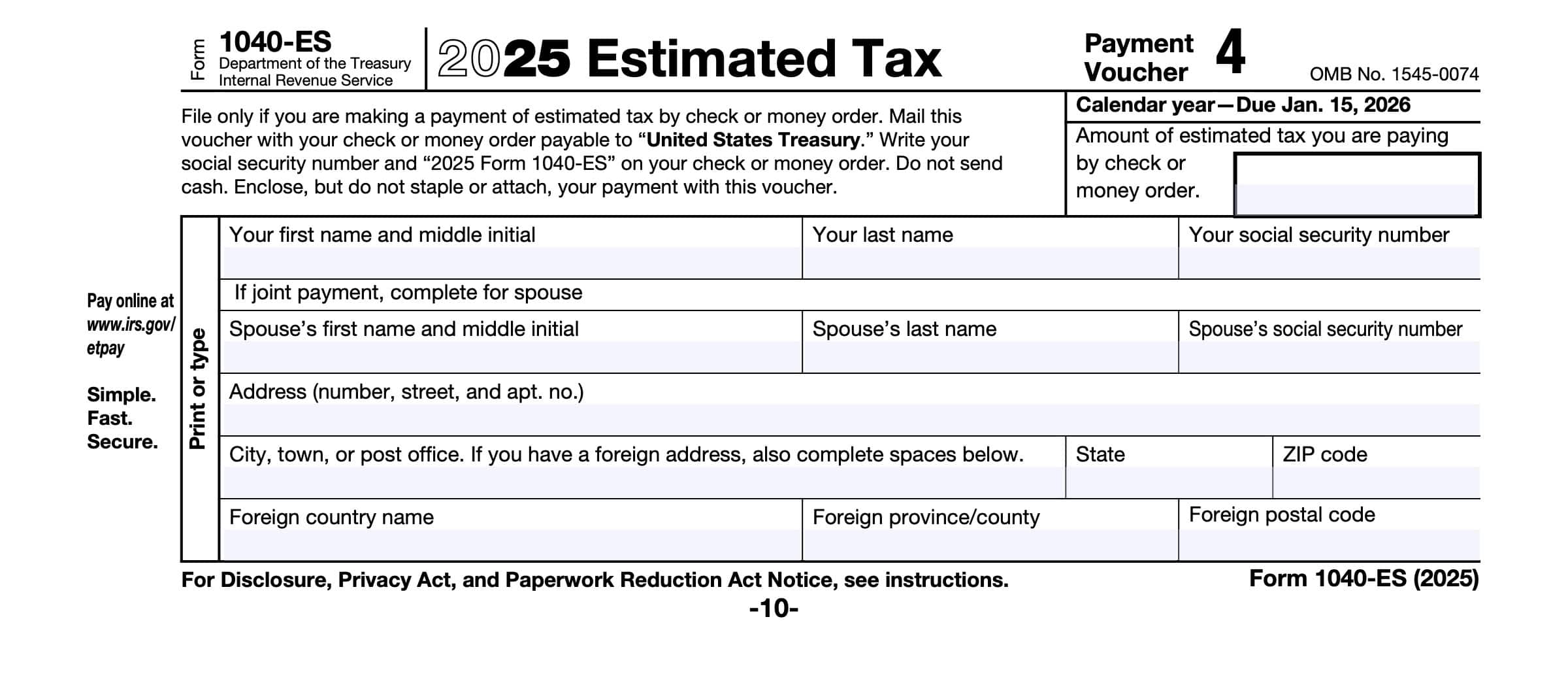
If you need more time to file, you can request an extension, but remember, an extension to file does not extend the deadline to pay your taxes. You’ll still need to pay any estimated taxes owed by April 15.
How Can Syed Professional Services Help You with Form-1040?
At Syed Professional Services, we understand that filing Form-1040 can be a complicated and overwhelming task. That’s why we’re here to help! Our team of tax experts is ready to assist you with every step of the filing process, from gathering the necessary documents to submitting your return. We also offer personalized advice to ensure that you maximize your deductions and credits while avoiding common mistakes.
Whether you’re an individual taxpayer or a business owner, we can help simplify your tax filing process. Don’t risk making costly mistakes—contact Syed Professional Services today to get expert help with your Form-1040 filing!
Conclusion
Filing taxes can be daunting, but understanding Form-1040 is the key to ensuring a smooth tax season. This form is central to reporting your income, claiming deductions and credits, and calculating your tax liability. With this guide, you should have a better understanding of how to fill out Form-1040 accurately, avoid common mistakes, and get the most out of your tax return. If you need assistance, don’t hesitate to reach out to Syed Professional Services—we’re here to help you every step of the way!

