
Identity Theft Prevention: The Complete Guide to Protecting Your Personal and Financial Information
In today’s digital world, protecting your personal information has become more important than ever. Criminals continue to develop sophisticated methods to steal identities, access financial accounts, file fraudulent tax returns, and misuse sensitive personal information. Effective identity theft prevention is no longer optional—it is an essential part of maintaining your financial security and peace of mind.
Identity theft can affect anyone. Whether you are an employee, business owner, retiree, student, or immigrant, your Social Security number, bank account information, tax records, and personal documents are valuable targets for cybercriminals. Strong identity theft prevention practices help reduce the risk of financial loss, credit damage, and lengthy recovery processes.
Tax-related identity theft is an increasing concern. Fraudsters may attempt to file false tax returns using stolen personal information to claim refunds illegally. By understanding proper identity theft prevention techniques, taxpayers can protect themselves from IRS scams and fraudulent tax filings.
At Syed Professional Services, we help individuals and businesses navigate tax preparation, accounting, and immigration matters while emphasizing the importance of safeguarding sensitive financial and personal information. This comprehensive guide explains everything you need to know about identity theft prevention, including common scams, warning signs, protection strategies, IRS tax fraud prevention, and steps to take if your identity is compromised.
What Is Identity Theft Prevention?
Identity theft prevention refers to the practices, tools, and security measures used to protect personal information from unauthorized access and fraudulent use.
Identity thieves often target information such as:
- Social Security numbers
- Taxpayer Identification Numbers (TINs)
- Driver’s license numbers
- Passport information
- Bank account details
- Credit card numbers
- Medical records
- Online account credentials
Strong identity theft prevention minimizes the likelihood of criminals using this information for financial fraud, tax fraud, or other illegal activities.
Why Identity Theft Prevention Is Important
The consequences of identity theft can be severe and long-lasting.
Effective identity theft prevention helps individuals:
Protect Financial Accounts
Prevent unauthorized access to banking and investment accounts.
Prevent Tax Fraud
Reduce the risk of fraudulent tax return filings.
Safeguard Credit History
Protect credit scores from fraudulent accounts.
Preserve Personal Information
Limit exposure of sensitive documents.
Reduce Stress
Recovering from identity theft can require months of effort.
Practicing identity theft prevention helps avoid these costly and time-consuming issues.
Common Types of Identity Theft
Understanding common threats strengthens identity theft prevention efforts.
Financial Identity Theft
Criminals open loans or credit accounts using stolen information.
Tax Identity Theft
Fraudsters file fake tax returns to claim refunds.
Medical Identity Theft
Health insurance information is used fraudulently.
Employment Identity Theft
Someone uses another person’s identity to obtain employment.
Criminal Identity Theft
A stolen identity is used during interactions with law enforcement.
Awareness is the first step toward effective identity theft prevention.
Identity Theft Prevention for Taxpayers
Tax-related fraud continues to be a significant concern.
Strong identity theft prevention practices include:
File Tax Returns Early
Submitting returns promptly reduces opportunities for fraudulent filings.
Protect Your Social Security Number
Only share your SSN when absolutely necessary.
Use Secure Tax Professionals
Work with trusted tax preparation providers.
Create Strong Online Account Passwords
Protect tax-related online accounts.
Monitor IRS Communications
Review notices carefully for suspicious activity.
At Syed Professional Services, we encourage proactive identity theft prevention throughout the tax filing process.
Warning Signs of Identity Theft
Recognizing suspicious activity supports effective identity theft prevention.
Common warning signs include:
- Unexpected IRS notices
- Unrecognized bank transactions
- Credit accounts you did not open
- Collection notices for unknown debts
- Missing mail
- Denied tax return filings due to duplicate submissions
Early detection significantly reduces the impact of identity theft.
Identity Theft Prevention Best Practices
Everyone should adopt strong identity theft prevention habits.
Use Strong Passwords
Create unique passwords for every account.
Enable Multi-Factor Authentication
Add an extra layer of account security.
Monitor Financial Accounts
Review statements regularly.
Secure Personal Documents
Store important records safely.
Shred Sensitive Paperwork
Destroy documents before disposal.
Update Software
Install security updates promptly.
Consistent identity theft prevention habits greatly reduce security risks.
Identity Theft Prevention for Businesses
Businesses must also prioritize identity theft prevention.
Important business practices include:
Employee Training
Teach staff to recognize phishing attempts.
Secure Networks
Protect company systems from cyberattacks.
Data Encryption
Encrypt sensitive customer information.
Access Controls
Limit employee access to confidential records.
Secure Tax Records
Protect payroll and financial documentation.
Businesses with strong identity theft prevention policies protect both employees and customers.
IRS Identity Theft Prevention Programs
The IRS has implemented several initiatives supporting identity theft prevention.
These include:
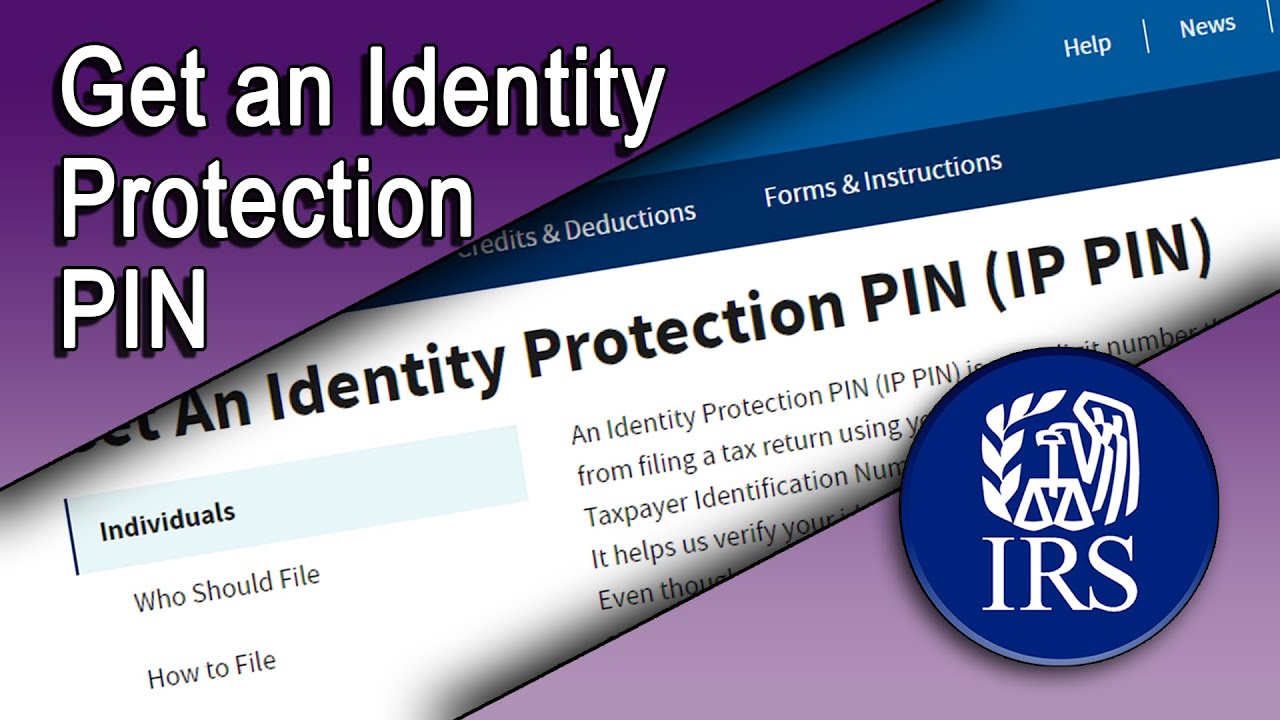
Identity Protection PIN (IP PIN)
Adds extra protection to taxpayer accounts.
Online Account Security
Secure IRS account access.
Fraud Detection Systems
Identify suspicious tax return activity.
Taxpayer Education
Resources help individuals recognize scams.
Understanding available IRS tools strengthens overall identity theft prevention efforts.
Common Identity Theft Scams
Criminals continually develop new fraud techniques.
Popular scams include:
Phishing Emails
Fake messages requesting personal information.
Telephone Scams
Fraudsters impersonate government agencies.
Text Message Fraud
Suspicious links attempt to steal information.
Fake Tax Preparers
Unauthorized individuals collect taxpayer data.
Social Media Scams
Criminals gather personal information from online profiles.
Remaining alert is a key element of identity theft prevention.
What to Do If Identity Theft Occurs
Despite strong identity-theft prevention, incidents may still happen.
Take these steps immediately:
Contact Financial Institutions
Report suspicious transactions.
Notify Credit Bureaus
Request fraud alerts.
Report Identity Theft
File reports with appropriate authorities.
Contact the IRS
Report suspected tax-related identity theft.
Monitor Credit Reports
Continue reviewing financial activity.
Prompt action minimizes damage and speeds recovery.
Identity Theft Prevention and Immigration Records
Immigrants should also practice strong identity-theft prevention.
Protect important documents including:
- Green Cards
- Employment Authorization Documents
- Passports
- Visa records
- USCIS correspondence
- Social Security cards
Secure storage and limited sharing help protect immigration records from misuse.
How Syed Professional Services Can Help
At Syed Professional Services, we understand the importance of protecting sensitive financial and immigration information.
Our services include:
- Tax preparation
- Accounting
- Bookkeeping
- Immigration documentation assistance
- Financial consulting
- Tax planning
We also educate clients on practical identity-theft prevention strategies that reduce risks during tax preparation and document handling.
Frequently Asked Questions About Identity Theft Prevention
What is identity-theft prevention?
Identity-theft prevention involves protecting personal information from unauthorized access and fraudulent use.
How can I protect my Social Security number?
Only share your Social Security number when legally required and store related documents securely.
Can identity theft affect my tax return?
Yes. Criminals may file fraudulent tax returns using stolen personal information.
What should I do if I receive an unexpected IRS notice?
Review the notice carefully and contact the IRS or your tax professional if you suspect fraud.
Does the IRS offer identity protection tools?
Yes. Eligible taxpayers can request an Identity Protection PIN (IP PIN) for additional security.
Why is professional tax preparation helpful?
Experienced professionals help protect sensitive information while ensuring accurate tax filing.
Conclusion
Practicing strong identity-theft prevention is one of the most effective ways to protect your finances, tax records, credit history, and personal information. As identity theft schemes continue to evolve, individuals and businesses must remain vigilant by securing sensitive documents, monitoring financial accounts, using strong passwords, and staying informed about emerging fraud tactics.
Tax-related identity theft presents unique challenges, making early tax filing, secure document management, and professional guidance especially important. Whether you are filing an individual return, operating a business, or managing immigration records, proactive identity-theft prevention reduces the likelihood of fraud and helps safeguard your future.
At Syed Professional Services, we are committed to helping individuals and businesses protect their financial information while providing trusted tax preparation, accounting, bookkeeping, and immigration support. Our knowledgeable team is dedicated to helping you stay compliant, secure, and confident throughout every stage of your financial and immigration journey.

