

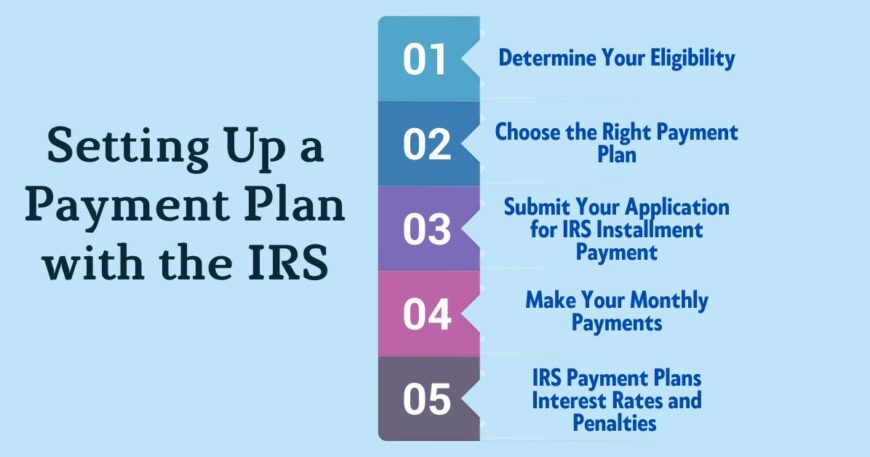
7 Devastating IRS Payment Plan Mistakes That Crush Your Finances – Ultimate Resolution Guide
Owing money to the IRS is one of the most stressful financial situations a person can face. The letters arrive, the penalties accumulate, and the fear of liens, levies, and wage garnishments keeps you awake at night. An IRS payment plan offers a lifeline—a structured way to pay your tax debt over time, avoiding the most aggressive collection actions. But the IRS payment plan process is riddled with potential pitfalls. A single mistake—choosing the wrong plan type, underestimating your ability to pay, missing a payment, or failing to understand the ongoing obligations—can cause your IRS payment plan to fail, leaving you exposed to the full force of IRS collections.
At Syed Professional Services, we’ve helped countless clients navigate the IRS payment plan process successfully, and we’ve also witnessed the painful aftermath of preventable errors. This comprehensive guide will expose seven devastating IRS payment plan mistakes that can crush your finances and show you exactly how to avoid them. You’ll learn what an IRS payment plan really requires, how to choose the right plan for your situation, how to maintain compliance, and why professional guidance is essential for long-term tax resolution. With Syed Professional Services as your partner—combining tax, accounting, and immigration expertise—your IRS payment plan can become a path toward financial stability rather than a source of ongoing anxiety.
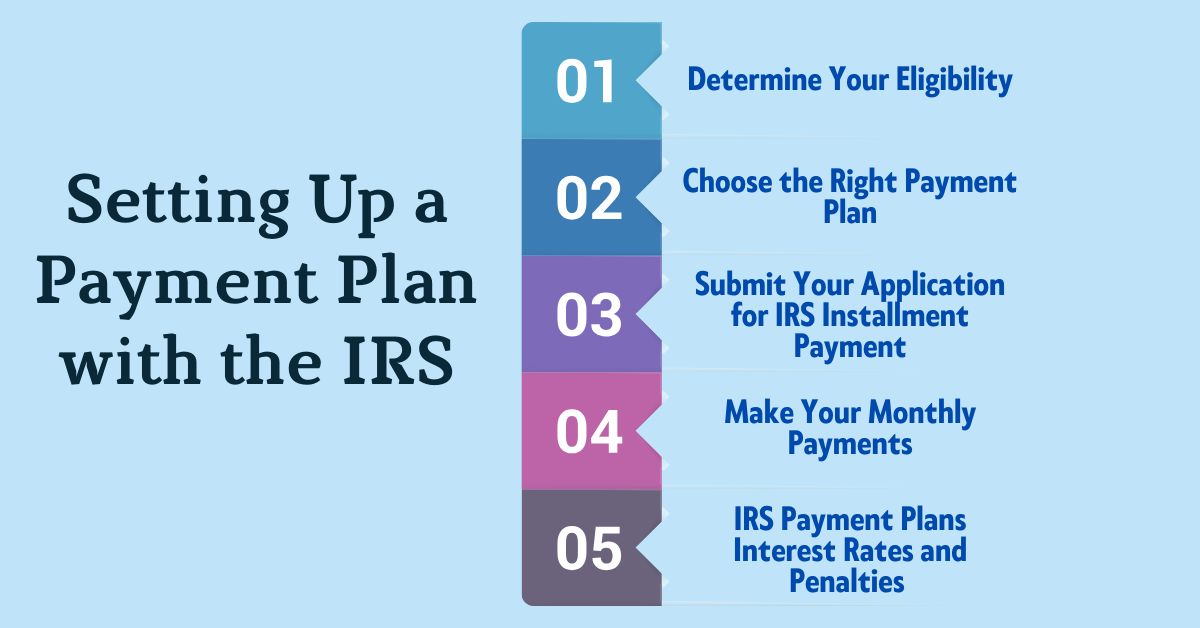
What Is an IRS Payment Plan and Why Does It Matter?
An IRS payment plan—officially called an installment agreement—is a formal arrangement with the Internal Revenue Service that allows you to pay your tax debt over time in monthly installments rather than in a single lump sum. The IRS payment plan is available to taxpayers who owe federal taxes and cannot pay the full amount immediately. By entering into an IRS payment plan, you stop the IRS from taking aggressive collection actions—such as bank levies, wage garnishments, and property liens—as long as you comply with the terms of the agreement.
The IRS payment plan matters because it provides a structured, manageable path out of tax debt. Without an IRS payment plan, the IRS can seize your bank accounts, garnish your wages, file liens against your property, and make your financial life miserable. With an IRS payment plan, you gain breathing room—a predictable monthly payment that fits your budget and protects your assets. Understanding the IRS payment plan process—and avoiding the mistakes that cause plans to fail—is essential for anyone facing tax debt. For immigrants, the stakes are even higher: tax compliance and resolution of outstanding balances are critical factors in good moral character determinations and public charge assessments.
Devastating Mistake #1: Failing to File All Required Tax Returns Before Requesting an IRS Payment Plan
The IRS will not approve an IRS payment plan if you have unfiled tax returns. Before you can enter into an IRS payment plan, you must be current on all filing obligations. A devastating mistake is requesting an IRS payment plan while one or more years of returns remain unfiled. The IRS will reject your request, and in the meantime, collection actions may proceed.
The solution is to file all outstanding returns before applying for an IRS payment plan. Syed Professional Services specializes in preparing back tax returns and bringing clients into compliance. We identify which years are unfiled, prepare the returns accurately, and submit them to the IRS. Only when your filing history is complete do we pursue an IRS payment plan on your behalf. This sequencing is essential for success.
Devastating Mistake #2: Choosing the Wrong Type of IRS Payment Plan for Your Situation
The IRS offers several types of IRS payment plans, each with different requirements and timelines. The streamlined IRS payment plan is available for balances under $50,000 and allows up to 72 months to pay. The non-streamlined IRS payment plan is for larger balances and requires more detailed financial disclosure. The partial payment IRS payment plan allows you to pay less than the full amount over time, with the remaining balance potentially forgiven after the collection statute expires. Choosing the wrong type of IRS payment plan can result in rejection, unnecessarily high payments, or missed opportunities.
Understanding which IRS payment plan fits your situation requires careful analysis of your income, expenses, assets, and total debt. Syed Professional Services evaluates your financial picture and recommends the IRS payment plan type that best serves your interests. We prepare the necessary financial disclosures, calculate the optimal payment amount, and submit the application with the strongest possible case. Our expertise ensures that you enter the right IRS payment plan—not just any plan.
Devastating Mistake #3: Underestimating Your Ability to Pay and Proposing an Unrealistic IRS Payment Plan
When you propose an IRS payment plan, the IRS evaluates your ability to pay based on your income, expenses, and assets. Proposing a payment amount that’s unrealistically low—or failing to account for all your income—can result in rejection of your IRS payment plan. The IRS has published standards for allowable expenses, and any proposal that deviates significantly from those standards requires detailed justification.
On the other hand, proposing a payment that’s too high can leave you struggling to meet your obligations, leading to missed payments and plan default. Syed Professional Services helps clients calculate a realistic payment amount that satisfies the IRS while remaining affordable. We analyze your income, allowable expenses, and asset equity to determine the right payment level for your IRS payment plan. Our goal is to secure a plan you can actually afford and maintain.
Devastating Mistake #4: Missing Payments or Failing to Maintain IRS Payment Plan Compliance
Once your IRS payment plan is approved, the hard work isn’t over—maintenance is essential. Missing a payment is the fastest way to default on your IRS payment plan, and default means the IRS can resume collection actions immediately. Many taxpayers enter an IRS payment plan with good intentions but fail to keep up with the monthly payments due to financial setbacks, forgetfulness, or poor planning.
The solution is disciplined compliance. Set up automatic payments through the IRS Direct Pay system or your bank. Track your payment dates carefully. If you anticipate difficulty making a payment, contact the IRS or your tax professional before the payment is due—don’t wait until you’ve already missed it. Syed Professional Services monitors IRS payment plan compliance for our clients, reminding them of upcoming payments and intervening if problems arise. We help you maintain your IRS payment plan successfully from start to finish.
Devastating Mistake #5: Ignoring the Impact of an IRS Payment Plan on Immigration Cases
For immigrants, an IRS payment plan is more than a financial arrangement—it’s evidence of good faith and responsibility. USCIS officers review tax compliance when evaluating good moral character, public charge risk, and financial responsibility. An active IRS payment plan can be viewed positively, demonstrating that you’re addressing your tax obligations. However, a defaulted IRS payment plan—or a plan that was never properly established—can undermine your immigration case.
Syed Professional Services integrates tax resolution with immigration support. When we help clients establish an IRS payment plan, we ensure that the documentation is prepared in a way that supports their immigration goals. We provide evidence of the IRS payment plan for USCIS submissions and monitor compliance to ensure the plan remains in good standing. Your IRS payment plan can strengthen your immigration case—if it’s managed correctly.
Devastating Mistake #6: Failing to Explore Alternatives to an IRS Payment Plan
An IRS payment plan is not the only option for resolving tax debt. Depending on your circumstances, other options may be more advantageous. An Offer in Compromise (OIC) allows you to settle your debt for less than the full amount. Currently Not Collectible (CNC) status temporarily pauses collections if you can’t pay. Penalty abatement can reduce the total amount owed. A IRS payment plan may not be the best choice for every situation.
Failing to explore these alternatives before committing to an IRS payment plan is a mistake that can cost you money and prolong your debt. Syed Professional Services evaluates all available options before recommending an IRS payment plan. We analyze whether an OIC is feasible, whether CNC status is appropriate, and whether penalty abatement could reduce your balance. Our goal is to find the resolution strategy that best serves your financial interests—whether that’s an IRS payment plan or another path.
Devastating Mistake #7: Going It Alone Without Professional IRS Payment Plan Guidance
The IRS-payment plan process seems straightforward—fill out a form, propose a payment, and start paying. But the reality is more complex. The IRS scrutinizes financial disclosures, applies published standards, and rejects proposals that don’t meet its requirements. Attempting to navigate this process alone—without professional guidance—is a devastating mistake that can result in rejection, unnecessarily high payments, or plan default.
Professional guidance is an investment in your financial future. A tax professional understands the nuances of the IRS-payment plan process, knows how to present your financial situation persuasively, and can negotiate with the IRS on your behalf. Syed Professional Services provides comprehensive IRS-payment plan support, from preparation to negotiation to ongoing compliance. We don’t just help you enter a plan—we help you succeed in it. When you work with us, you gain an advocate who protects your interests at every step.
Building a Winning IRS Payment Plan Strategy
Here is the proactive IRS-payment plan strategy Syed Professional Services recommends:
-
File all required returns. Ensure your filing history is complete before applying for an IRS-payment plan.
-
Assess your financial situation. Document your income, expenses, and assets accurately.
-
Choose the right plan type. Determine whether a streamlined, non-streamlined, or partial payment IRS-payment plan fits your situation.
-
Propose a realistic payment. Calculate a payment amount that satisfies the IRS while remaining affordable.
-
Maintain compliance. Set up automatic payments and track deadlines carefully.
-
Coordinate with immigration goals. Ensure your IRS-payment plan documentation supports your immigration case.
-
Seek professional guidance. Work with experts who understand the full scope of tax resolution.
This strategy transforms the IRS-payment plan process from a source of anxiety into a structured, manageable path. Syed Professional Services guides you through each step, providing the expertise and support that make success likely.
How Syed Professional Services Transforms Your IRS Payment Plan Experience
Our clients don’t navigate the IRS-payment plan process alone. We offer comprehensive services that cover every aspect of tax debt resolution:
-
Back tax return preparation to bring you into compliance.
-
Financial analysis to determine your ability to pay.
-
IRS-payment plan application with persuasive documentation.
-
Negotiation with the IRS to secure the best possible terms.
-
Compliance monitoring to ensure your plan stays on track.
-
Immigration-focused documentation that supports your case.
-
Alternative resolution strategies including OIC and CNC when appropriate.
This comprehensive approach turns the IRS-payment plan from a burden into a tool for financial recovery and immigration success.
Real-World Consequences of IRS-Payment Plan Mistakes
Consider these composite scenarios based on cases we’ve encountered:
Scenario 1: A taxpayer applied for an IRS-payment plan without filing two years of back returns. The IRS rejected the application and issued a bank levy. Syed Professional Services prepared the missing returns, reapplied for the IRS-payment plan, and secured a release of the levy.
Scenario 2: A green card applicant entered an IRS-payment plan but missed three consecutive payments, causing default. USCIS questioned the applicant’s financial responsibility during the immigration review. Syed Professional Services reinstated the IRS-payment plan, established automatic payments, and provided documentation that satisfied USCIS.
Scenario 3: A business owner proposed an unrealistically low IRS-payment plan payment, which the IRS rejected. Syed Professional Services recalculated the payment based on allowable expenses, resubmitted the proposal, and secured approval.
In each case, professional IRS-payment plan guidance would have prevented the problem. Syed Professional Services exists to ensure you never face these devastating consequences alone.
Frequently Asked Questions About IRS-Payment Plans
Q: How much does an IRS-payment plan cost?
A: The IRS charges a setup fee for IRS-payment plans, which varies depending on the plan type and payment method. The fee can be reduced or waived for low-income taxpayers. Syed Professional Services can help you determine your eligibility for fee reduction.
Q: How long can an IRS-payment plan last?
A: A streamlined IRS-payment plan can last up to 72 months. Non-streamlined plans may have different terms. The IRS may require a longer-term plan for larger balances.
Q: Will an IRS payment plan stop wage garnishment?
A: Yes. Once your IRS-payment plan is approved, the IRS will stop wage garnishments and other collection actions as long as you comply with the terms.
Q: Can I pay off my IRS-payment plan early?
A: Yes. You can pay off your IRS-payment plan early without penalty. Early payoff stops interest and penalties from continuing to accrue.
Q: What happens if I default on my IRS-payment plan?
A: Defaulting on your IRS-payment plan allows the IRS to resume collection actions. Syed Professional Services can help you reinstate a defaulted plan or negotiate an alternative arrangement.
Proactive Steps You Can Take Today
-
Assess your filing status. Determine whether all your tax returns are filed. If not, start preparing them now.
-
Gather your financial documents. Collect income statements, expense records, and asset information.
-
Evaluate your options. Consider whether an IRS-payment plan, OIC, or CNC status is the best fit.
-
Contact Syed Professional Services for a comprehensive tax resolution consultation. We’ll assess your situation, identify the best strategy, and help you secure an IRS-payment plan that works.
Conclusion: Master Your IRS Payment Plan for Financial Stability
The seven devastating mistakes—failing to file before applying, choosing the wrong plan type, proposing unrealistic payments, missing compliance deadlines, ignoring immigration implications, failing to explore alternatives, and going it alone—are all avoidable with knowledge and professional support. An IRS-payment plan is a powerful tool for resolving tax debt and regaining financial stability. With the right strategy and the right partner, you can enter a plan that works, maintain it successfully, and move toward a debt-free future.
Syed Professional Services is your ultimate ally in the IRS-payment plan process. We bring together tax, accounting, and immigration expertise to ensure that every aspect of your tax resolution strategy is sound, compliant, and positioned for success. Don’t let a preventable mistake turn your tax debt into a financial catastrophe. Contact us today to schedule your IRS-payment plan consultation. Together, we’ll turn your tax burden into a manageable path toward freedom—one payment at a time.

