

Introduction
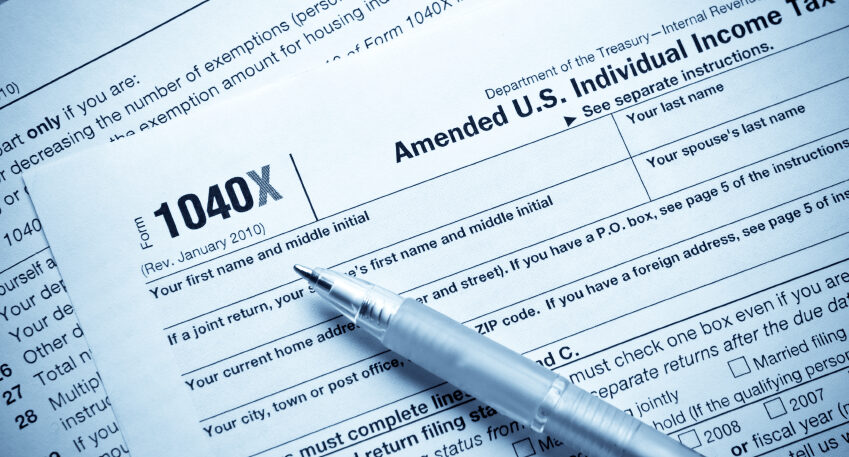
Filing taxes is complicated enough — but what happens when you discover a mistake after you’ve already filed? That’s where an amended tax return becomes essential. An amended tax return allows taxpayers to correct errors, claim missed deductions or credits, and adjust income figures from previously filed returns. Whether you’re a first‑time filer or a seasoned taxpayer, mistakes happen — and an amended tax return can protect you from IRS penalties, missed refunds, or legal trouble.
In this extensive guide, we’ll walk you through everything you need to know about the amended tax return process — from why it matters to how to file one correctly and common pitfalls to avoid. By the end, you’ll understand when to file, how to avoid unnecessary delays, and why professional help can make all the difference.
This guide uses the keyword amended tax return more than 20 times to ensure complete coverage and search‑friendly optimization.
What Is an Amended Tax Return and Why It Matters
An amended tax return is a tax form you file to correct errors on a previously submitted tax return. The IRS allows this because even the most careful taxpayers can unintentionally make mistakes, such as:
-
Misreporting income
-
Forgetting deductions or tax credits
-
Filing with the wrong filing status
-
Inputting incorrect Social Security numbers
These errors can affect your tax liability — increasing what you owe or reducing a refund you deserve. Filing an amended tax return is not optional if mistakes materially impact your tax outcome; it’s a responsibility.
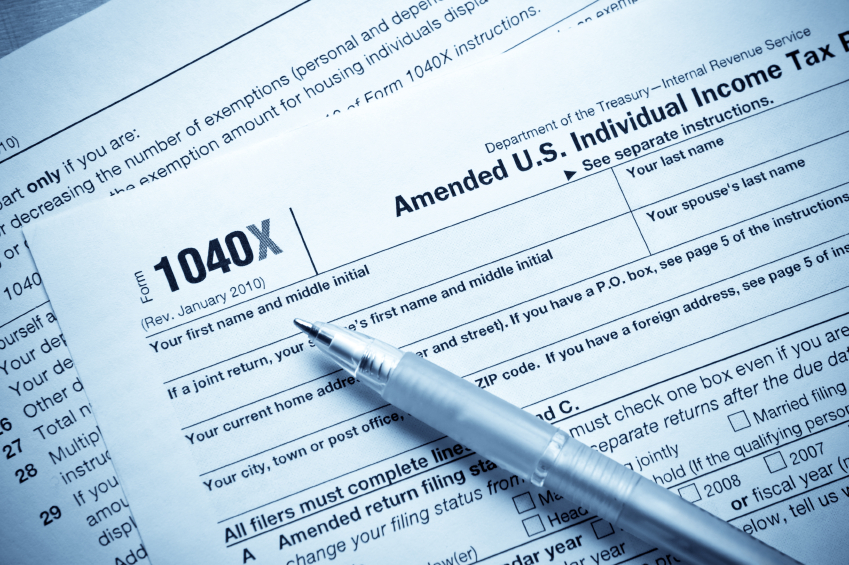
The most common form for this process is IRS Form 1040‑X. This form lets you update income figures, adjust tax credits, and fix mistakes while explaining the changes you’ve made. One of the biggest benefits of filing an amended tax return is that it can unlock refunds that you may have otherwise missed. But if you wait too long, you might lose these benefits due to the statute of limitations.
When Should You File an Amended Tax Return?
Knowing when to file an amended tax return is crucial:
You Should File If:
-
You made a math error
-
You forgot to attach important forms or schedules
-
You forgot income documents (e.g., W‑2, 1099)
-
You omitted eligible deductions or tax credits
-
You filed using the wrong filing status
You Should Not File If:
-
You expect a refund — the IRS often corrects simple math errors without an amended tax return
-
You haven’t received your original refund yet
Filing an amended tax return primarily makes sense when the change will affect your tax liability or refund.
Top 10 Tips for a Successful Amended Tax Return
Here are the expert‑recommended tips you must know before filing your amended tax return:
1. Double‑Check Before You Amend
Before jumping into an amended-tax return, always review your original return carefully. Many mistakes are fixed by the IRS, especially math errors.
2. Use the Correct Tax Form
The IRS requires Form 1040‑X for individual taxpayers. If you’re amending business or estate returns, different forms may apply.
3. Explain Every Change
On your amended-tax return, detail why you made each correction. The IRS doesn’t penalize transparency — they appreciate clear explanations.
4. Gather Supporting Documents
Attach any missing schedules, income statements, or receipts that support your amended-tax return changes.
5. File Promptly
IRS rules generally allow you to file an amended-tax return within three years of the original due date to claim a refund.
6. Don’t Forget State Taxes
If you amend your federal return, check whether your state tax return must also be amended. Those rules vary by state.
7. Be Prepared for Delays
Amended-tax returns can take the IRS 8 to 12 weeks (or longer) to process — especially during peak filing periods.
8. Track Your Amended Return
Use the IRS “Where’s My Amended Return?” online tool to track the progress of your submission after 3 weeks.
9. Avoid Duplicate Filings
Do not file multiple amended tax returns for the same tax year unless absolutely necessary. A single, comprehensive amended-tax return is better.
10. Get Professional Help
Complex tax situations — like foreign income, investment income changes, or amended returns spanning multiple years — benefit from a tax professional’s expertise.
Common Scenarios That Require an Amended Tax Return
Here are situations where filing an amended tax return is not just useful — it’s necessary:
Missed Tax Credits
Maybe you qualified for a child tax credit or education credit but forgot to claim it. An amended-tax return lets you fix that and receive the refund you deserve.
Incorrect Filing Status
Filing as “Single” when you should have filed as “Head of Household” can cost you deductions. Amending fixes that.
Social Security Number Errors
Incorrect SSNs for you, your spouse, or dependents can trigger IRS notices and delays — an amended-tax return corrects these.
Unreported Income
If you forgot a W‑2 or 1099 form, you must amend your tax return to reflect accurate income.
Deduction Changes
Maybe you missed medical expense deductions or business expenses. An amended-tax return gets those added.
Step‑by‑Step Guide: Filing Your Amended Tax Return
Filing an amended tax return doesn’t have to be overwhelming. Here’s a clear step‑by‑step breakdown:
📌 Step 1 — Get Form 1040‑X
Download Form 1040‑X from the IRS website and ensure you use the version corresponding to the tax year you’re amending.
📌 Step 2 — Print or Prepare Electronically
Amended tax returns are still largely paper‑based, though some years allow e‑filing.
📌 Step 3 — Write Clearly
Use black ink if filing by paper and fill in each field carefully.
📌 Step 4 — Explain Changes
In Part III of Form 1040‑X, write clear reasons for each correction — this makes IRS processing faster.
📌 Step 5 — Attach Supporting Documents
Attach any missing schedules, W‑2s, 1099s, or receipts you didn’t include originally.
📌 Step 6 — Mail to the Correct IRS Address
Amended-tax returns must be mailed to specific IRS service centers — the address varies by state.
📌 Step 7 — Keep Copies
Always retain copies of everything you submit.
How an Amended Tax Return Affects Your Refund or Tax Owed
An amended tax return can increase or decrease your original tax liability. If you discover you underpaid taxes, you may owe additional tax plus interest and penalties. However, if the amended tax return demonstrates you overpaid, you may receive a refund — provided you are within the IRS claim period.
Important Reminder: Interest and penalties can continue to accrue until the tax is paid. Filing an amended-tax return sooner rather than later limits additional costs.
Common Mistakes to Avoid When Filing an Amended Tax Return
Avoid these frequent errors:
-
Not attaching updated income documents
-
Failing to explain changes adequately
-
Amending multiple tax years at once without organization
-
Forgetting to amend your state return
-
Missing the statute of limitations for refunds
These pitfalls can delay your amended-tax return processing or lead to IRS notices.
Why Professional Help Matters for an Amended Tax Return
Filing an amended tax return isn’t always straightforward. Especially if your income sources are complex, you’ve moved between states, or significant deductions or credits changed, a professional tax advisor can:
✅ Accurately calculate your changes
✅ Ensure compliance with IRS rules
✅ Maximize your refund potential
✅ Prevent future IRS audits
At Syed Professional Services, we specialize in helping individuals and businesses navigate amended-tax returns with confidence and clarity.
Conclusion
An amended tax return is your opportunity to correct past tax mistakes, claim refunds you deserve, and ensure your tax records are accurate and compliant. Whether it’s correcting income, adding missed deductions, or fixing filing status — understanding the amended-tax return process can save you time, money, and stress.
Don’t let errors go unresolved — reach out to Syed Professional Services for expert assistance with your amended-tax return or any complex tax matters.
Frequently Asked Questions
What is an amended tax return?
An amended-tax return is a revised tax form (typically Form 1040‑X) filed to correct mistakes on a previously filed return.
When should I file an amended tax return?
If there’s an error that changes your tax liability or refund — such as missing income, credits, or deductions — file an amended-tax return promptly.
Does filing an amended tax return get me a refund?
It can — if your corrected return shows you overpaid taxes. Timing must fall within IRS refund claim limits.
How long does the IRS take to process an amended-tax return?
Processing can take 8–12+ weeks, so patience and tracking with the IRS tool are important.
Can I file an amended tax return electronically?
Some years allow e‑filing for amended-tax returns but most still require paper submission.
Do I need to amend my state tax return too?
If your federal amended-tax return affects your state taxable income, you likely must amend your state return too.

