

Introduction: Understanding Credit Karma and Its Importance in Financial Management
In today’s digital age, managing your credit score and staying on top of your financial health is easier than ever. One of the most popular tools that help people monitor and improve their credit scores is Credit Karma. With its user-friendly interface and free access to credit scores and reports, Credit Karma has become a household name. But is it really all it claims to be?
In this blog post, we’ll dive deep into Credit Karma, exploring its benefits, potential drawbacks, and how it can play a pivotal role in managing your finances. Whether you are a financial novice or an expert, understanding Credit Karma could make a significant difference in your credit journey.
What is Credit Karma?
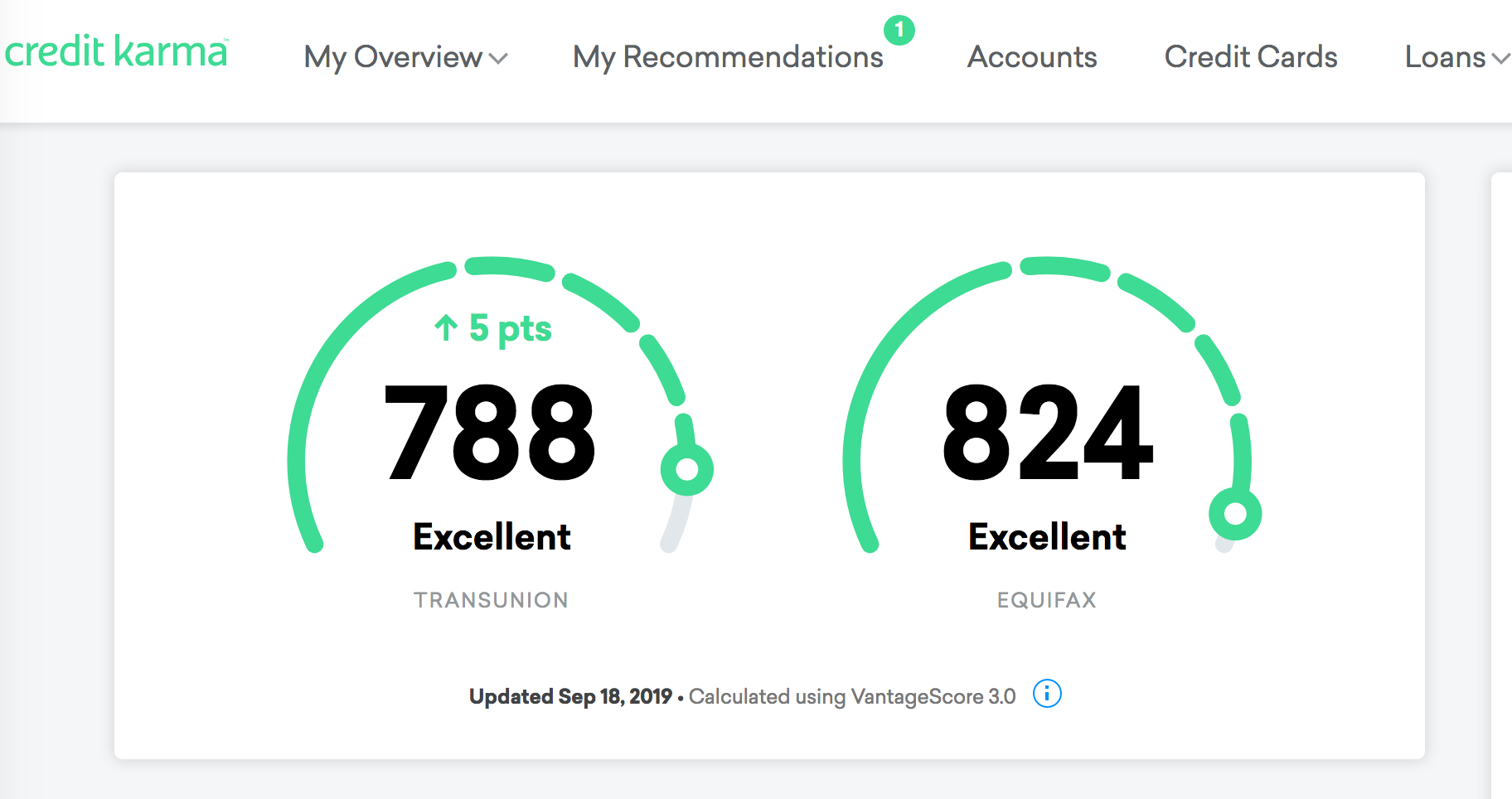
Credit Karma is a financial technology company that provides free access to credit scores, reports, and financial tools. Founded in 2007, the platform has grown rapidly in popularity due to its straightforward service and lack of fees. Credit Karma partners with credit bureaus, like TransUnion and Equifax, to offer credit scores for free, helping users keep an eye on their credit without paying for expensive services.
But what exactly makes Credit Karma stand out in the competitive world of financial tools? Let’s look at some of its key features:
- Free Credit Scores and Reports: Access your credit scores from TransUnion and Equifax at no cost.
- Credit Monitoring: Keep track of changes to your credit report, such as new accounts, credit inquiries, and missed payments.
- Personalized Financial Recommendations: Based on your credit profile, Credit Karma offers tailored advice on how to improve your credit score.
- Credit and Loan Offers: Get personalized recommendations for credit cards, loans, and refinancing options.
The Pros of Using Credit Karma
Now that you understand what Credit Karma is, let’s look at the positive aspects of using it. If you’re looking to improve your credit score, or simply monitor it for any changes, Credit Karma offers several benefits:
1. Free Access to Credit Scores and Reports
One of the biggest selling points of Credit Karma is that it provides free access to your credit scores and reports. Most other platforms require a subscription fee to access your credit score, but Credit Karma offers this service for free, making it accessible to almost everyone.
2. Credit Monitoring Tools
With Credit Karma, you can track your credit score over time and receive notifications when any significant changes occur. This means that if a negative mark appears on your report or if someone else attempts to open a line of credit in your name, you’ll be alerted right away.
3. Personalized Financial Recommendations
Credit Karma doesn’t just provide your credit score—it also gives you personalized recommendations for credit cards, loans, and other financial products. These suggestions are based on your current credit score and financial standing, making it easier to find products that suit your financial profile.
4. Easy-to-Understand Interface
The platform is incredibly user-friendly, even for people who aren’t financially savvy. The interface is clear, and the information is easy to digest. You don’t need to be a financial expert to understand what’s going on with your credit.
5. Mobile App
For those who prefer managing their finances on the go, Credit Karma offers a highly rated mobile app. You can easily check your credit score, view your credit reports, and track changes right from your smartphone.
6. Credit Score Simulator
Credit Karma includes a unique tool called the Credit Score Simulator, which allows you to see how different actions (such as paying off debt or applying for a new credit card) could impact your score. This feature is invaluable for those looking to improve their credit score.
The Cons of Credit Karma
While Credit Karma has many positive attributes, there are some drawbacks that you should consider before relying solely on the platform.
1. Credit Score Accuracy
Credit Karma provides credit scores based on data from TransUnion and Equifax. However, these scores may differ from the FICO scores used by many lenders to evaluate your creditworthiness. Since Credit Karma offers VantageScore credit scores, it’s important to understand that the scores you see may not be the same ones used in loan applications.
2. Limited to Two Credit Bureaus
Unlike some credit monitoring services that offer reports from all three major credit bureaus—Experian, TransUnion, and Equifax—Credit Karma only pulls information from TransUnion and Equifax. If you want a more complete picture of your credit, you may need to use another service or request a free report from Experian.
3. Ads and Offers Can Be Annoying
While the credit scores and tools are free, Credit Karma does rely on revenue from ads and affiliate offers. This means you may frequently be bombarded with offers for credit cards, loans, and other products. For some users, this can feel overwhelming or intrusive.
4. No True Credit Report Dispute Support
Although Credit Karma alerts you to changes on your credit report, it doesn’t provide full support for disputing errors. If you find inaccurate information on your credit report, you’ll need to work with the credit bureaus directly, which can be time-consuming.
5. Less Comprehensive Than Paid Services
While Credit Karma is a solid tool for monitoring your credit, it may not offer the same depth of features as some paid services. If you need in-depth credit analysis or more frequent credit report updates, you may want to consider a more comprehensive service.
Is Credit Karma Right for You?
So, with both the pros and cons laid out, the question remains: Is Credit-Karma the right choice for you? Here’s a quick guide to help you decide:
- Credit-Karma is a good option if:
- You want free access to your credit score and reports.
- You are looking for basic credit monitoring and advice.
- You want to track your credit over time and see how specific actions may impact your score.
- You’re okay with receiving ads and affiliate offers in exchange for the free service.
- Credit-Karma may not be the best option if:
- You need a more comprehensive view of your credit from all three major bureaus.
- You want a more accurate score based on FICO scoring, which many lenders use.
- You need additional tools for disputing credit report errors.
Alternatives to Credit-Karma
While Credit-Karma is a great starting point, it’s not the only tool out there. If you’re looking for more in-depth features, here are a few alternatives:
- Experian: Offers free access to your Experian credit score and additional credit monitoring tools.
- MyFICO: Provides access to your FICO score and is used by many lenders, making it ideal if you’re preparing for a mortgage or loan application.
- Credit Sesame: Another free credit score service that provides credit monitoring and personalized financial recommendations.
Conclusion: Should You Use Credit-Karma?
In conclusion, Credit-Karma is a valuable tool for anyone looking to monitor their credit score and manage their financial health. Its ease of use, free service, and personalized recommendations make it a solid choice for most consumers. However, like all financial tools, it’s essential to understand its limitations and consider whether it meets your specific needs.
For some people, Credit-Karma is the perfect solution; for others, it may only be one piece of the puzzle in their broader financial strategy. Either way, it’s a free and accessible way to start taking control of your financial health today.
