

Introduction to Form 1099
When it comes to taxes, understanding the various forms that are required can be overwhelming. One of the most commonly used forms, especially for independent contractors, freelancers, and small business owners, is Form 1099. This form is critical for reporting different types of income that aren’t captured by traditional payroll systems. In this guide, we’ll walk you through what Form 1099 is, the different types of Form 1099, and how to fill it out correctly to avoid penalties.
Whether you’re an independent contractor, a freelancer, or a business owner, understanding Form 1099 is key to staying compliant with tax laws. Let’s dive deeper into the details of this important form!
What is Form 1099?
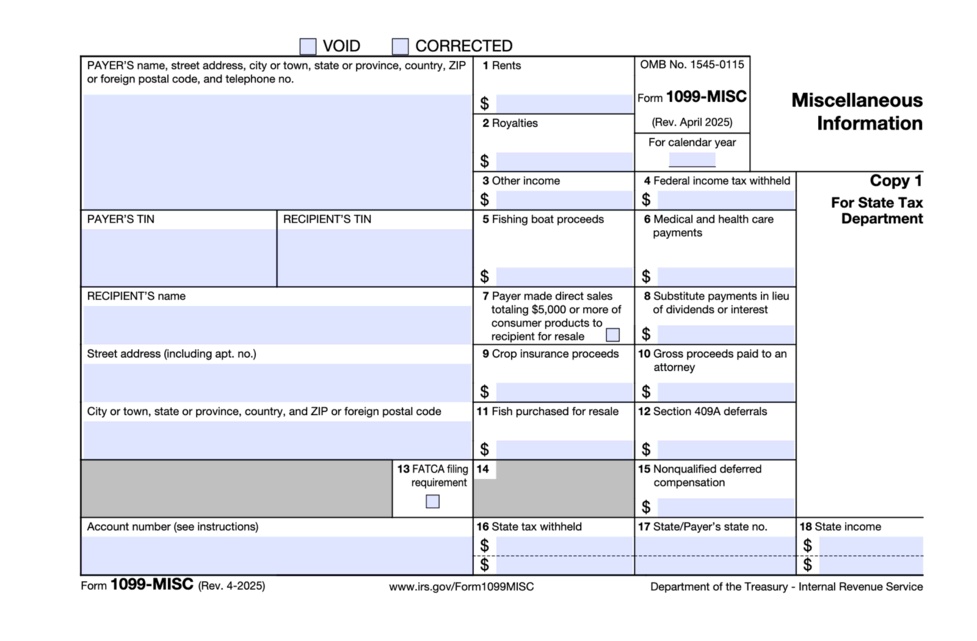
Form 1099 is an IRS tax form used to report various types of income received by individuals or businesses that are not considered wages or salaries. The most common types of income reported on this form include earnings from freelance work, interest income, dividend payments, and payments made to independent contractors.
Small business owners and self-employed individuals will find Form-1099 particularly useful, as it helps them report their earnings for tax purposes. The form must be filed by January 31 of each year, and a copy of the form should be sent to both the IRS and the individual or business who earned the income.
Why is Form 1099 Important?
Form 1099 serves several important functions, especially for small businesses and individuals who receive non-salary income. Here’s why it’s so crucial:
- Tax Reporting: The IRS uses Form-1099 to track income that isn’t reported through standard payroll. This helps ensure taxpayers pay the correct amount of tax.
- Tax Compliance: It helps both businesses and individuals comply with tax laws by accurately reporting income.
- Deductions and Credits: Knowing what income has been reported on Form-1099 allows taxpayers to claim the proper deductions and credits on their tax returns.
Types of Form 1099
There are multiple types of Form 1099, each designed for different types of income. Let’s explore the most common ones:
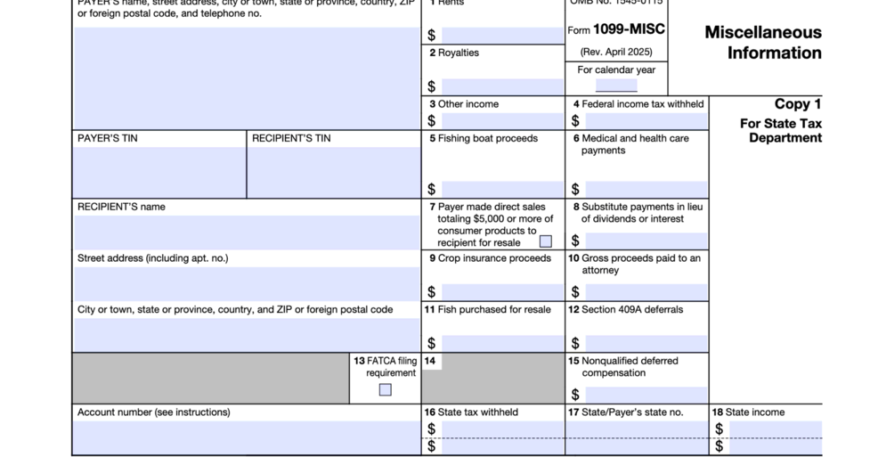
- Form 1099-MISC: Used to report miscellaneous income. This is the most common type for independent contractors and freelancers. It reports payments for services rendered that total $600 or more.
- Form 1099-NEC: This form is specifically for reporting payments to non-employees, such as independent contractors. It replaced the 1099-MISC form for non-employee compensation starting in 2020.
- Form 1099-DIV: Used to report dividend income. If you receive dividend payments from stocks or mutual funds, this form will be used to report the amount.
- Form 1099-INT: Used to report interest income from banks, financial institutions, and other entities that pay interest.
- Form 1099-R: Used to report distributions from retirement accounts, pensions, or annuities.
- Form 1099-B: This form is used to report the sale of securities, such as stocks or bonds, and any gains or losses that result from the sale.
Who Needs to File Form 1099?
Form 1099 is typically filed by businesses, financial institutions, and government agencies. Here’s a breakdown of who needs to file Form-1099:
- Businesses: If your business pays $600 or more to an independent contractor or freelancer, you are required to file a Form-1099-NEC.
- Financial Institutions: Banks and other financial institutions will issue Form-1099-INT to report interest payments made to account holders.
- Investors: Investors who receive dividend or capital gains distributions will receive Form-1099-DIV.
- Pension Plan Administrators: They will issue Form-1099-R to report distributions from retirement accounts.
How to Fill Out Form 1099
Filling out Form-1099 is a critical step in the tax process. If not done correctly, you may face penalties. Here’s a general step-by-step guide on how to fill out Form 1099:
- Obtain the Right Form: First, ensure you’re using the correct version of Form-1099 for the income you are reporting.
- Fill Out Payer’s Information: Include the name, address, and taxpayer identification number (TIN) of the business or individual issuing the 1099.
- Recipient’s Information: Include the recipient’s name, address, and TIN (Social Security number or employer identification number).
- Income Amount: Enter the amount of income the recipient earned during the tax year.
- Other Details: Depending on the type of Form-1099, you may need to fill out other sections, such as reporting interest or dividend income.
- File with the IRS: Submit the Form-1099 electronically or by mail to the IRS. Make sure to keep a copy for your records.
Deadlines for Filing Form-1099
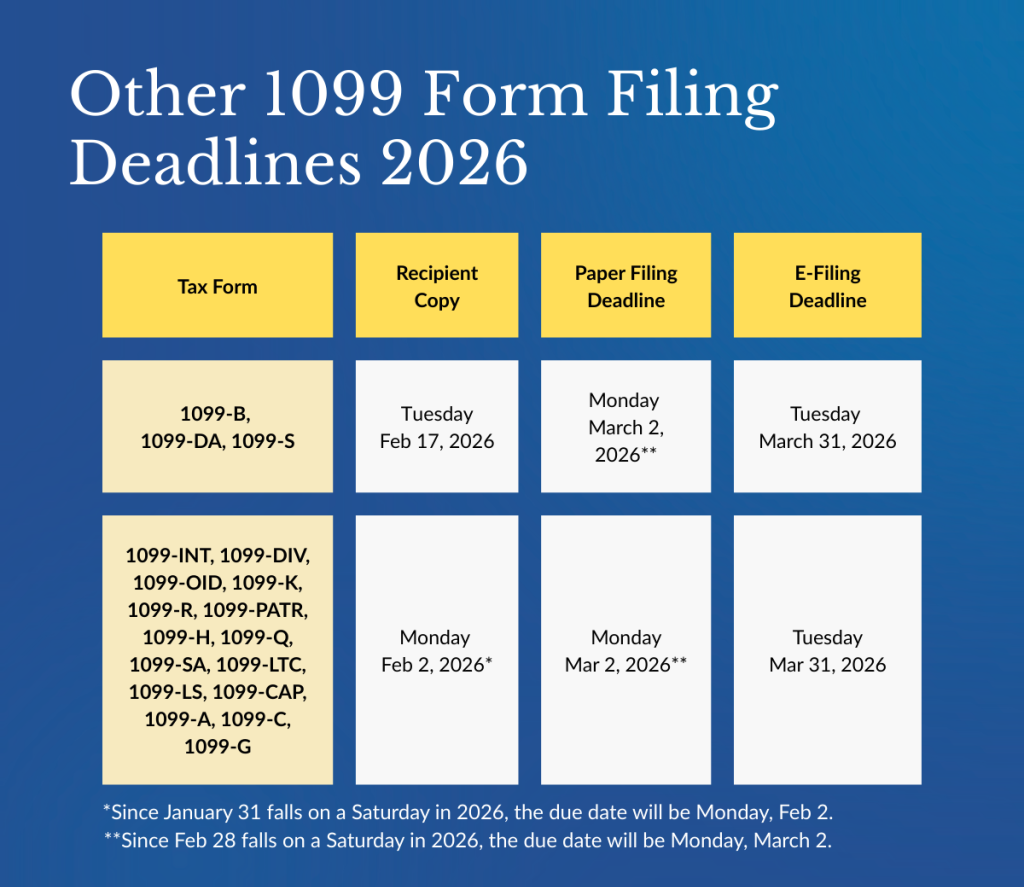
It’s essential to meet deadlines when filing Form-1099 to avoid penalties. Generally, Form-1099 must be filed by:
- January 31: The form must be sent to the recipient.
- February 28: If filing by paper, it must be sent to the IRS.
- March 31: If filing electronically, it must be sent to the IRS.
Common Mistakes When Filing Form-1099
Here are some common mistakes to avoid when filing Form-1099:
- Incorrect Information: Ensure that the recipient’s name, TIN, and other details are accurate.
- Missed Deadlines: Filing late or failing to send Form-1099 on time can lead to penalties.
- Not Filing When Required: Many people overlook the need to file Form-1099, especially when they have only made small payments to independent contractors or other non-employee recipients.
- Incorrect Form Usage: Be sure you are using the correct version of Form-1099. For example, Form-1099-MISC and Form-1099-NEC are different forms used for distinct purposes.
Penalties for Not Filing Form-1099
Failure to file Form-1099 correctly or on time can lead to significant penalties. The IRS imposes penalties based on how late the form is filed. Here’s a breakdown of the penalty amounts:
- Late Filing Penalties: Penalties can range from $50 to $280 per form, depending on how late the filing is.
- Intentional Disregard: If the failure to file is considered intentional, the penalty can be as high as $570 per form.
How to Avoid Form-1099 Mistakes
To avoid mistakes when filing Form 1099, follow these tips:
- Keep Accurate Records: Maintain detailed records of all payments made to contractors, freelancers, and other non-employees.
- Use Reliable Accounting Software: Accounting software can help you track payments and generate accurate Form-1099 reports.
- Consult a Tax Professional: If you are unsure about the filing process, it’s always a good idea to consult a tax professional.
Conclusion
Whether you are a business owner, freelancer, or taxpayer, understanding Form 1099 is critical to ensuring you stay compliant with tax laws. From reporting income to avoiding costly penalties, this form plays a significant role in the tax process. Be sure to familiarize yourself with the various types of Form-1099, the filing deadlines, and how to fill it out properly to avoid mistakes. By staying organized and informed, you can ensure that your tax reporting is both accurate and timely.
At Syed Professional Services, we are here to help guide you through the complexities of tax reporting, accounting, and immigration matters. If you need assistance with Form-1099 or any other tax-related questions, don’t hesitate to contact us!
