


Introduction
Filing taxes can be overwhelming, confusing, and stressful for many individuals and small business owners. Understanding how to file taxes correctly is essential to avoid costly mistakes, delays, or even penalties. Whether you are filing for the first time or looking to optimize your process, having a clear, step-by-step approach is key.
This guide will walk you through how to file taxes efficiently, highlighting common errors, best practices, and strategies to ensure your tax returns are accurate and compliant with current IRS regulations. By following this guide, you can simplify the tax filing process, save money, and reduce stress during tax season.
Step 1: Gather All Required Documents
Before you can file taxes, you need to collect all relevant financial documents. These include:
-
W-2 forms from employers
-
1099 forms for freelance or contract work
-
Bank statements and investment records
-
Receipts for deductible expenses
-
Prior year tax returns
Having all documents ready makes it easier to accurately calculate income and deductions. Proper documentation ensures you avoid errors when filing how to file taxes forms and prevents unnecessary audits.
Step 2: Understand Your Filing Status
Your tax filing status determines your tax rates, deductions, and eligibility for certain credits. Common statuses include:
-
Single
-
Married Filing Jointly
-
Married Filing Separately
-
Head of Household
-
Qualifying Widow(er)
Choosing the correct status is critical when learning how to file taxes, as selecting the wrong one could increase your tax liability or result in penalties.
Step 3: Determine Your Dependents and Deductions
Dependents and deductions play a major role in reducing taxable income. Identify:
-
Children or family members who qualify as dependents
-
Education-related deductions and credits
-
Health savings account contributions
-
Charitable donations
Understanding these elements is a vital part of how to file taxes efficiently. Overlooking deductions can lead to overpaying taxes, while claiming incorrect deductions can trigger audits.
Step 4: Choose Between Standard and Itemized Deductions
Deciding whether to use standard or itemized deductions can affect your refund.
-
Standard Deduction: A fixed deduction amount based on filing status.
-
Itemized Deduction: Adds up individual deductible expenses like mortgage interest, medical expenses, and charitable contributions.
Proper selection is crucial in how to file taxes, ensuring you maximize your deductions and reduce your tax burden.
Step 5: Use the Correct Tax Forms
The IRS provides different tax forms depending on your income, deductions, and filing status:
-
Form 1040: Standard individual tax return
-
Schedule A: For itemized deductions
-
Schedule C: For business income and expenses
-
Schedule D: For capital gains and losses
Filing the wrong form is a common error, and understanding how to file taxes properly includes knowing which forms are required for your specific situation.
Step 6: Consider Tax Credits
Tax credits reduce your tax liability directly. Key credits to consider:
-
Earned Income Tax Credit (EITC)
-
Education Credits (American Opportunity, Lifetime Learning)
-
Energy Efficiency Credits
Applying these correctly is essential in how to file taxes, as failing to claim eligible credits could cost you hundreds or thousands of dollars.
Step 7: Choose Filing Method: Paper or E-Filing
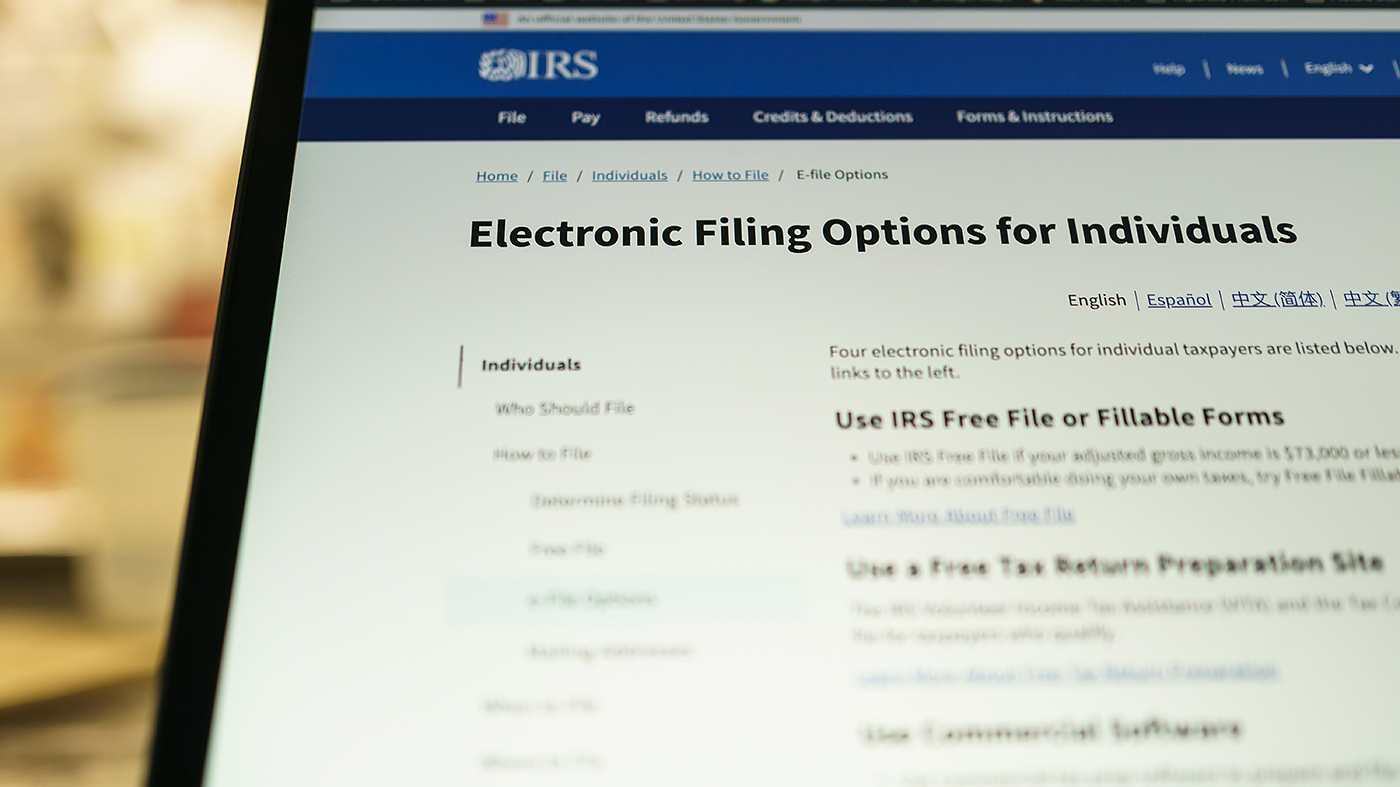
You can file taxes through traditional paper forms or via electronic filing (e-file). E-filing is faster, reduces errors, and ensures quicker refunds. Understanding the best method is part of learning how to file taxes efficiently.
-
E-Filing Benefits: Instant submission, automatic calculations, and secure processing.
-
Paper Filing Drawbacks: Longer processing times, higher risk of errors, and potential delays in refunds.
Step 8: Double-Check All Information
Accuracy is crucial in tax filing. Before submitting, verify:
-
Personal information (name, Social Security Number, address)
-
Income amounts
-
Deductions and credits
-
Bank account details for direct deposit
Mistakes can delay processing or trigger audits, so double-checking is essential when learning how to file taxes.
Step 9: Understand Deadlines and Penalties
Filing taxes on time is mandatory. Missing deadlines can result in fines or interest:
-
Federal tax return due date: April 15 (or next business day if it falls on a weekend)
-
Filing extensions: Form 4868 extends filing but not payment
-
Late payment penalties: Calculated based on amount owed
Knowing these deadlines ensures you avoid unnecessary penalties and stay compliant when filing how to file taxes.
Step 10: Seek Professional Assistance When Needed
Tax laws are complex and constantly changing. Consulting with professionals like Syed Professional Services can help ensure accuracy and maximize deductions. Services include:
-
Personalized tax planning
-
Accurate preparation and filing
-
Handling complex returns for businesses or freelancers
-
Audit support
Working with experts reduces stress and increases confidence in how to file taxes correctly.
Frequently Asked Questions About How to File Taxes
What is the easiest way to learn how to file taxes?
The easiest way is to follow a step-by-step guide like this one, gather all documents, and use tax software or professional services.
How often should I file taxes?
Taxes must be filed annually, with quarterly payments for self-employed individuals.
Can I file taxes online for free?
Yes, the IRS offers free e-filing for eligible taxpayers via IRS Free File.
What happens if I file taxes incorrectly?
Incorrect filing can result in penalties, delayed refunds, and possible audits.
Are tax credits and deductions the same?
No. Deductions reduce taxable income, while credits reduce tax owed directly.
Can professionals help me if I have a complex tax situation?
Absolutely. Services like Syed Professional Services specialize in business, freelance, and immigration-related tax issues.
Conclusion
Filing taxes doesn’t have to be stressful. By following these 10 essential steps, you can understand how to file taxes accurately, claim all eligible deductions and credits, and avoid costly mistakes. Proper planning, document preparation, and, when needed, professional guidance ensure a smooth, efficient, and stress-free tax filing experience.
Whether you are filing for the first time or managing complex returns, learning how to file taxes correctly safeguards your finances and ensures compliance with IRS regulations.

