
Everything You Need to Know About the I-797 Form: A Comprehensive Guide to Understanding Approval Notices and More
The I-797 form is a crucial document for individuals navigating the U.S. immigration system. Whether you’re a foreign national seeking permanent residency or a professional looking for work authorization, understanding the I-797 approval notice is essential. This guide covers everything you need to know about the 797 form, its various types, timelines, and common issues applicants face.
What is the I797 Form?
The I-797 form, officially titled the “Notice of Action,” is a document issued by the U.S. Citizenship and Immigration Services (USCIS) to communicate the status of a petition, application, or request. It is not a visa or work permit itself but rather a notification of approval, denial, or other updates on your immigration case.
The I-797 form can be issued in several different scenarios, but its primary purpose is to confirm the approval of petitions such as work visas, green cards, or changes in status.
Types of I797 Forms
There are different types of I-797 forms, each serving a distinct purpose. It’s important to understand which type you’ve received, as it can affect your immigration process.
-
I-797, Notice of Action (Approval Notice)
This is the most common type of I-797 form. It indicates that your petition or application has been approved. Whether you’re applying for a work visa like H-1B or an adjustment of status for permanent residency, the I-797 approval notice is issued to confirm that your case has been accepted. -
I-797A, Notice of Action (Approval Notice for Change of Status or Extension of Stay)
This version of the I-797 is issued when you’re applying for a change of status within the U.S. or an extension of stay. It may include an I-94 card (arrival/departure record), which outlines the new conditions of your status in the U.S. -
I-797B, Notice of Action (Approval Notice for Consular Processing)
If you’ve been approved for a visa but are required to attend a visa interview abroad, you’ll receive the 797B form. This form allows you to proceed with consular processing and apply for your visa at a U.S. embassy or consulate. -
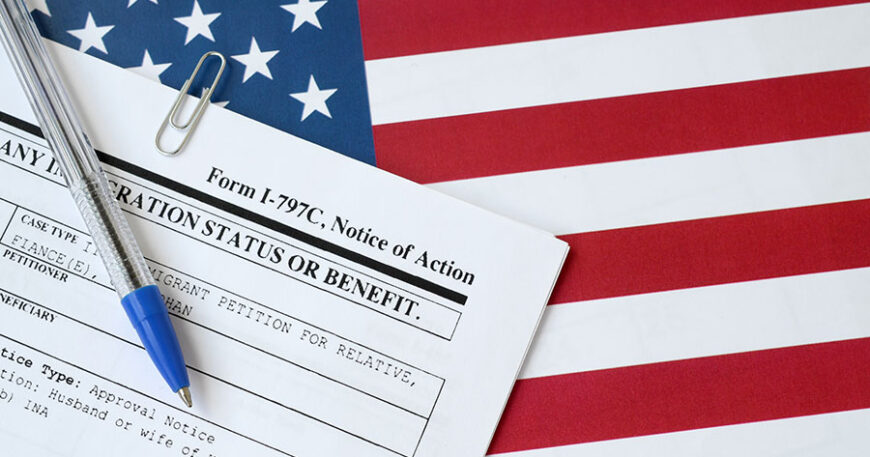
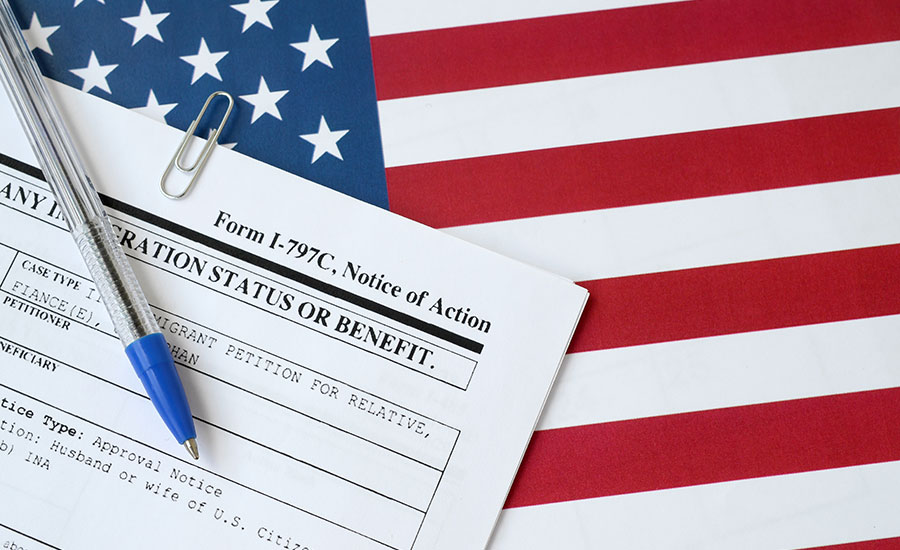
I-797C, Notice of Action (Receipt Notice)
The I-797C is issued as a receipt notice to confirm that USCIS has received your petition or application. This document does not indicate approval but serves as proof that your case is being processed. -
I-797D, Notice of Action (Application for Immigration Benefits)
This form is sent when you’re applying for certain benefits, such as an immigrant visa or work permit. It provides instructions on how to proceed with your application.
What Does the I-797 Form Mean for You?
The I-797 form plays a critical role in the immigration process, as it confirms the status of your case. If you’ve received an I-797 approval notice, it indicates that the USCIS has reviewed your petition or application and found it to be acceptable.
-
Approval Notices: For most individuals, the 797 approval notice means that their immigration petition has been approved. For example, an H-1B visa petition that receives an 797A form confirms that you’re authorized to stay and work in the U.S. for a specified period.
-
Denial Notices: If your petition is denied, you may receive an 797 denial notice. While this is less common, it is essential to review the details to understand why your application was rejected and whether an appeal is possible.
-
Receipt Notices: The I-797C receipt notice confirms that USCIS has received your application. It’s an important document to keep track of your case’s progress. This does not mean that your petition has been approved or denied but simply acknowledges receipt.
The I-797 Approval Notice Timeline
Understanding the timeline of the 797 approval notice can help you plan ahead and avoid unnecessary delays. The process can vary depending on the type of petition you’re filing, but here’s a general overview of what to expect:
-
Receipt Notice: After submitting your application or petition to USCIS, you will receive the 797C receipt notice within a few weeks. This notice will provide you with a case number that you can use to track your case status online.
-
Processing Time: Depending on the type of petition, USCIS processing times can range from a few months to over a year. It’s important to regularly check the status of your case on the USCIS website.
-
Approval Notice: Once your petition is approved, you will receive the 797 approval notice. The approval notice will include important details about your case, including the duration of your visa or status and any further steps you need to take.
-
Extension or Change of Status: If your case involves an extension or change of status, you will receive the 797A approval notice, which may include an I-94 card outlining your new status.
Common Issues with the I-797 Form
While the I-797 form is generally straightforward, there are a few common issues that applicants should be aware of. These include:
-
Incorrect Information: If the information on your 797 form is incorrect, such as your name, case number, or status details, you should contact USCIS immediately to request a correction.
-
Delays in Processing: Immigration petitions can sometimes take longer than expected, and delays can lead to frustration. If your case is taking longer than expected, you can check your case status online and contact USCIS if necessary.
-
Failure to Receive the I-797 Form: In some cases, applicants may not receive their 797 form due to mailing issues or errors in the processing system. It’s important to keep track of your case and follow up with USCIS if you haven’t received the form within the expected time frame.
Why is the I-797 Form Important?
The I-797 form is an essential document that not only confirms the approval of your immigration petition but also provides important details about your status in the U.S. It serves as proof of your authorization to work, stay, or enter the country, making it a critical part of your immigration journey.
For example, if you are applying for a work visa like the H-1B, receiving an 797 approval notice signifies that your petition has been accepted, and you can proceed with your employment authorization. Similarly, if you’re adjusting status to become a permanent resident, the 797 form confirms that you are one step closer to your green card.
How to Handle the I-797 Form
-
Keep It Safe: The 797 form should be kept in a secure place, as it is an important legal document. You may need to provide it when applying for a visa, work permit, or other immigration benefits.
-
Share with Employers: If you receive an 797 approval notice for a work visa, be sure to share it with your employer, as they may need it to verify your legal right to work in the U.S.
-
Consult an Immigration Lawyer: If you have questions or issues with your 797 form, it’s always a good idea to consult with an experienced immigration attorney. They can help guide you through the process and ensure that everything is in order.
Conclusion
The 797 form is an important part of the U.S. immigration process. Whether you’re applying for a work visa, a green card, or a change of status, understanding the different types of 797 forms, their purpose, and what to expect during the approval process can help make the experience smoother. If you have any questions or concerns about your 797 form, don’t hesitate to reach out to Syed Professional Services for expert guidance and support.
