

Introduction: Understanding IRS Payment Plan Options
Managing taxes can be overwhelming, especially if you owe more than you can pay at once. An IRS payment plan can help taxpayers meet their obligations without facing severe penalties or financial strain. Whether you’re a small business owner, freelancer, or individual taxpayer, understanding the benefits, eligibility, and procedures of an IRS payment plan can make a significant difference in your financial life.
In this comprehensive guide, we’ll cover everything from the types of IRS payment plans available to the pros and cons, application process, and tips to maximize your benefits while avoiding common pitfalls. By the end of this guide, you’ll know how to effectively navigate an IRS payment plan and regain control of your tax obligations.
What Is an IRS Payment Plan?
An IRS payment plan is an agreement between a taxpayer and the Internal Revenue Service allowing the taxpayer to pay their tax debt over time. Instead of paying a large sum upfront, individuals or businesses can spread payments over months or even years.
Types of IRS Payment Plans
- Short-Term Payment Plans: Typically under 120 days; suitable for taxpayers who can pay their debt quickly.
- Long-Term Installment Agreements: For debts exceeding $50,000, allowing monthly payments over multiple years.
- Partial Payment Plans: Designed for those who cannot pay their full tax debt but can make partial payments regularly.
Benefits of an IRS Payment Plan
- Avoid immediate tax levies or liens
- Reduce stress and financial strain
- Maintain a good credit profile if handled properly
An IRS payment plan is not just a financial tool; it’s a strategic method to manage tax liabilities efficiently without triggering severe consequences.
How to Qualify for an IRS Payment Plan
Eligibility depends on your tax situation, debt amount, and filing compliance. Here’s what you need to know:
- Filing Compliance: All required tax returns must be filed before applying.
- Debt Thresholds: Certain plans have limits on the total amount owed. For instance, a long-term installment agreement generally applies to debts under $50,000.
- Financial Assessment: The IRS may review your income and expenses to determine a reasonable payment plan.
By understanding eligibility requirements, you can select the right IRS payment plan without facing rejection or delays.
Step-by-Step Guide to Setting Up an IRS Payment Plan
Setting up an IRS payment plan is simpler than many think, especially when following these steps:
- Assess Your Debt: Calculate your total tax liability, penalties, and interest.
- Choose the Right Plan: Decide between short-term, long-term, or partial payment plans.
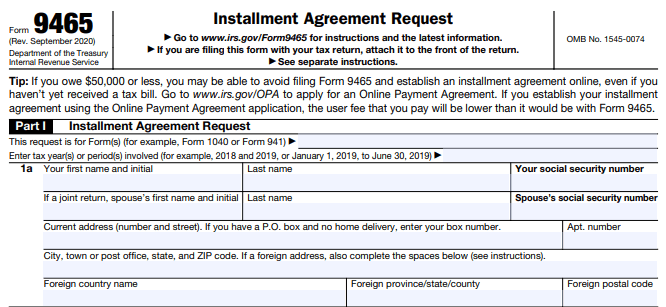
- Apply Online or by Phone: Many taxpayers qualify to apply directly on the IRS website.
- Set Up Automatic Payments: Ensure timely payments and reduce the risk of default.
- Monitor Your Plan: Regularly check your balance and stay compliant with your payment schedule.
Following these steps increases the chances of approval and helps you stay on track without unnecessary stress.
Pros and Cons of an IRS Payment Plan
While an IRS payment plan provides flexibility, it’s crucial to weigh the advantages and drawbacks:
Pros:
- Reduces immediate financial burden
- Prevents aggressive IRS collection actions
- Protects credit score if payments are made timely
Cons:
- Accrued interest and penalties may continue
- Missing a payment can result in default
- Certain complex plans require professional guidance
Understanding these pros and cons allows taxpayers to make informed decisions when selecting an IRS payment plan.
Tips to Maximize Your IRS Payment Plan Benefits
Here are expert strategies to make the most out of your IRS payment plan:
- Pay More Than Minimum: Reduces total interest and shortens repayment period.
- Stay Consistent: Always make timely payments to avoid default.
- Use Professional Help: Tax professionals can negotiate better terms or lower penalties.
- Monitor Changes in Financial Situation: Adjust your plan if your income changes significantly.
Following these tips ensures your IRS payment plan is not just a temporary solution but a long-term strategy to regain financial stability.
Common Mistakes to Avoid With an IRS Payment Plan
Many taxpayers face issues due to misunderstandings. Avoid these mistakes:
- Ignoring IRS notices or deadlines
- Underestimating total tax liability
- Missing payments or failing to update contact information
- Trying to negotiate a plan without professional advice
Awareness of these pitfalls helps you maintain a smooth and stress-free IRS payment plan.
FAQs About IRS-Payment Plan
Can I apply for an IRS-payment plan online?
Yes, the IRS allows eligible taxpayers to apply for installment agreements directly on their website.
Will interest and penalties still accrue?
Yes, an IRS-payment plan does not stop interest and penalties; however, it prevents more severe collection actions.
How long can an IRS-payment plan last?
Short-term plans are under 120 days, while long-term installment agreements may extend up to 72 months.
Can I pay off my IRS-payment plan early?
Absolutely. Paying early reduces interest and penalties over time.
What happens if I miss a payment?
Defaulting can result in plan termination, penalties, and aggressive collection actions.
Is professional help necessary for an IRS-payment plan?
While not mandatory, professional assistance increases approval chances and ensures optimal terms.
Conclusion
An IRS-payment plan is an invaluable tool for taxpayers struggling with unpaid taxes. It provides flexibility, reduces stress, and allows a structured approach to managing tax debt. By understanding your options, applying correctly, and staying consistent with payments, you can avoid penalties and maintain financial stability.
Whether you’re exploring a short-term solution or a long-term strategy, adopting the right IRS-payment plan ensures peace of mind and a clear path to resolving tax obligations efficiently.
