
Understanding Your Immigration Status: Key Factors and What It Means for You
Immigration status is a term that plays a crucial role in determining a person’s legal standing within a country. Whether you are a foreign national looking to live and work in a new country or someone who is navigating the complexities of an immigration process, understanding your immigration status is vital to ensure that you are complying with the law and protecting your rights.
At Syed Professional Services, we specialize in guiding individuals through the intricate landscape of tax, accounting, and immigration services. Our goal is to provide you with the knowledge and support needed to confidently manage your immigration status. In this blog post, we will break down what immigration status is, the different types of statuses, and why it is essential to keep track of your status to avoid complications.
What Is Immigration Status?
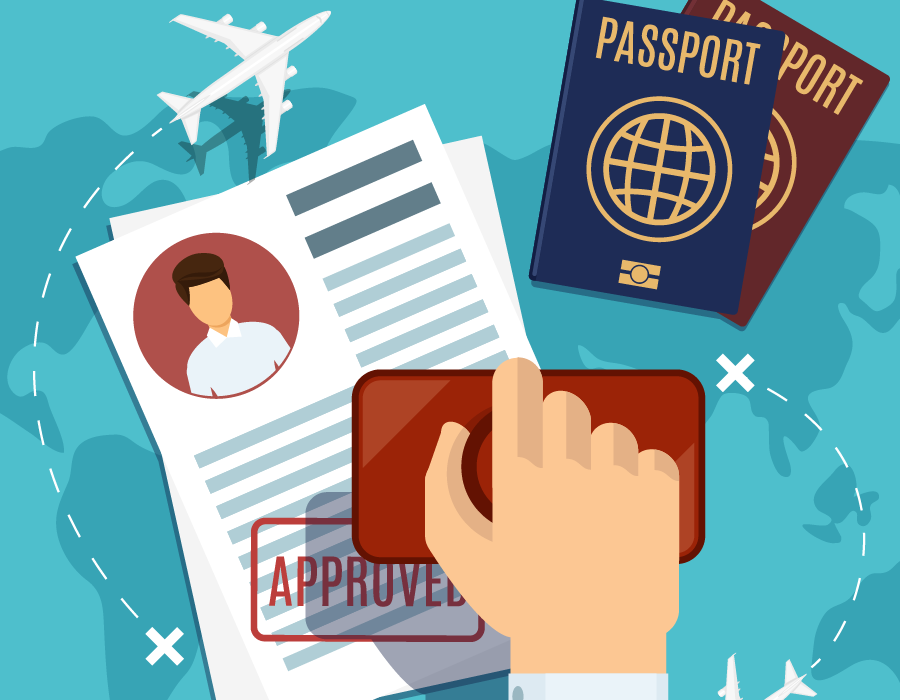
Immigration status refers to the legal category under which a person is allowed to live, work, and interact with a given country. Depending on your immigration status, you may have rights to employment, healthcare, education, and social services, or you may face restrictions that limit these opportunities. Your immigration status can change over time based on various factors, such as employment, family relationships, or compliance with immigration laws.
Types of Immigration Status
Understanding the different types of immigration status can help you better navigate the immigration system and ensure you are on the right track. The most common types of immigration status include:
- Citizen
As a U.S. citizen, you are granted full rights, including the right to vote, work without restrictions, and live permanently in the country. Citizens have the highest level of protection under the law. - Permanent Resident (Green Card Holder)
A permanent resident has permission to live and work in the country indefinitely. They may not have all the rights of a citizen, such as voting, but they can access many benefits. Permanent residents must renew their status periodically. - Temporary Visa Holder
Temporary visa holders are permitted to stay in a country for a limited period for a specific purpose, such as work, study, or tourism. Common types of temporary visas include student visas, work visas, and tourist visas. - Refugee or Asylee
Individuals who seek refuge in a country due to fear of persecution in their home country are granted refugee or asylum status. This status allows them to stay and work legally until it is safe for them to return home or until they are granted permanent residency. - Undocumented Immigrant
An undocumented immigrant is someone who is residing in a country without proper immigration documentation. This can occur if a person overstays their visa or enters the country without inspection. Undocumented immigrants often face significant legal challenges and may be at risk of deportation. - Non-Immigrant Status
Individuals in non-immigrant status are permitted to enter the country for a temporary stay. This category includes tourists, students, and temporary workers, each with specific requirements and restrictions on their activities.
Why Is Your Immigration Status Important?
Understanding your immigration status is crucial for several reasons, and it impacts various aspects of your life. Let’s dive into why it’s so important:
- Legal Rights and Responsibilities
Your immigration status determines your legal rights and responsibilities in the country. For example, a permanent resident enjoys certain rights, such as the ability to work and access public benefits, while an undocumented immigrant may face restrictions and the threat of deportation. - Employment Eligibility
In many countries, including the United States, your immigration status directly affects your eligibility to work. Individuals with temporary visas may only be authorized to work for certain employers or in certain fields, while permanent residents or citizens have the right to work without restrictions. - Access to Benefits
Your immigration status can also determine your eligibility for public benefits like healthcare, housing assistance, and education. Citizens and permanent residents typically have access to a wide range of benefits, whereas visa holders and undocumented individuals may have limited access. - Travel and Re-entry
Immigration status is essential when it comes to traveling in and out of a country. Permanent residents and citizens usually have the freedom to travel abroad and re-enter without significant issues. Temporary visa holders, however, may face complications when attempting to return after traveling, especially if their visa has expired. - Impact on Family and Relationships
Your immigration status can affect your ability to sponsor family members for immigration benefits. Citizens and permanent residents often have more options for family reunification, while those with temporary status may face restrictions. - Avoiding Deportation and Legal Issues
If your immigration status expires or you fail to maintain compliance with immigration laws, you risk becoming undocumented or facing deportation. Staying informed about your status and its expiration date is vital to avoid any legal troubles.
How to Maintain or Change Your Immigration Status
If you find that your immigration status is not aligned with your goals or if you need to make adjustments, it is essential to understand how to maintain or change your status. Here are some common steps you can take:
- Renew Your Visa or Status
Many immigration statuses, such as temporary work visas or permanent residency, require periodic renewals. Keep track of your renewal dates and submit the necessary paperwork on time to avoid falling out of status. - File for an Adjustment of Status
If you are a temporary visa holder and wish to transition to permanent residency, you can file for an adjustment of status. This process requires a thorough application, including a review of your qualifications, background checks, and an interview. - Seek Legal Advice
Immigration law is complex and ever-changing. Working with an experienced immigration attorney or professional can help you navigate the process of changing or maintaining your immigration status. They can provide you with valuable insights and ensure that you meet all legal requirements. - Understand Eligibility for Citizenship
If you are a permanent resident, you may eventually be eligible for citizenship. This process involves meeting residency requirements, demonstrating good moral character, and passing a citizenship test. An immigration lawyer can assist you in determining your eligibility and preparing for the citizenship process.
How to Check Your Immigration Status
In many countries, you can check your immigration status online through government portals. For instance, in the U.S., the U.S. Citizenship and Immigration Services (USCIS) provides tools for individuals to track their visa status or application status. You can also request an immigration status verification if you are unsure of your current status.
Common Challenges Related to Immigration Status
Navigating immigration status can be difficult, especially if you face any of the following challenges:
- Uncertainty Around Status Expiration
Many individuals struggle with keeping track of the expiration dates for their visas, green cards, or other statuses. An expired status can lead to significant legal problems, including deportation. - Changes in Immigration Law
Immigration laws and policies are frequently updated, which means that your status could be impacted by new rules and regulations. Staying informed about any changes is crucial to ensuring compliance. - Complications in Family Immigration
Family-based immigration can be a complex process, with long waiting times and stringent requirements. If you are looking to sponsor a family member, understanding the status options available to them is important. - Unclear Employment Opportunities
For temporary visa holders, knowing whether or not they are allowed to work can be confusing. Each visa category has its own restrictions, and violating these rules can result in severe consequences.
Conclusion
Your immigration status is more than just a piece of paper; it defines your rights, opportunities, and obligations within a country. Whether you are a student, worker, permanent resident, or undocumented immigrant, it is crucial to understand your status and ensure that you are compliant with the law. At Syed Professional Services, we are committed to helping you navigate the complexities of immigration, offering the best advice and assistance tailored to your unique needs.
If you’re unsure about your immigration status or need guidance on adjusting your status, don’t hesitate to reach out. Our experienced team is here to help you understand your options and take the necessary steps toward a secure future.
