

Introduction
If you’ve ever looked at payroll taxes or employer responsibilities, you’ve likely wondered what is FUTA and why it matters. For many small business owners, understanding what is FUTA is not optional — it’s essential for staying compliant with federal tax laws. In this comprehensive guide from Syed Professional Services, we’ll break down everything you need to know about FUTA, including its purpose, how it works, how to calculate it, and the common pitfalls to avoid. By the end, you’ll not only understand what is FUTA, but also how it impacts your business growth and tax planning.

What is FUTA? A Clear Definition
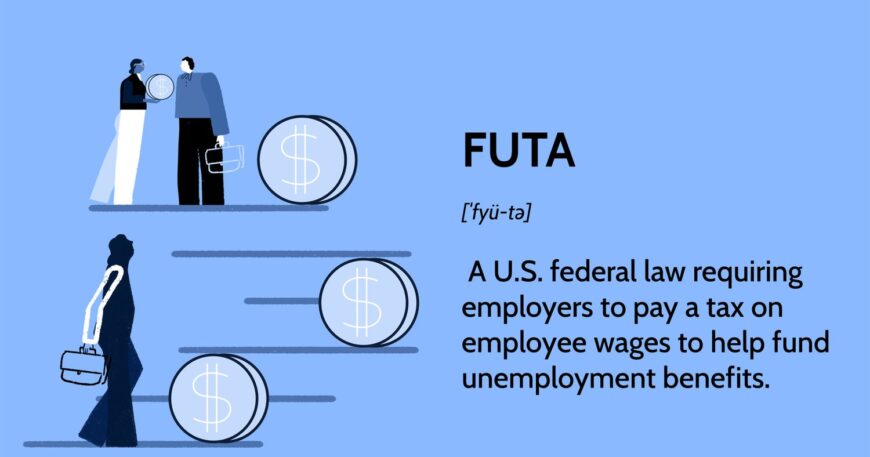
At its core, what is FUTA refers to a federal payroll tax called the Federal Unemployment Tax Act. This tax is paid by employers—with no contribution required from employees—specifically to fund unemployment benefits. When employers pay FUTA taxes, they help support workers who become unemployed through no fault of their own.
To answer what is FUTA in straightforward terms: it’s a federal tax that supports unemployment insurance programs across all U.S. states. Employers use FUTA tax payments to help fund state workforce services and unemployment compensation. Understanding what is FUTA is vital because failing to comply can lead to penalties, interest, and audit issues down the line.
Why Understanding What is FUTA Matters
-
Employer Tax Compliance – Knowing what is FUTA helps you stay compliant with federal tax rules, avoiding costly fines.
-
Accurate Payroll Reporting – Once you know what is FUTA, you can properly calculate and report payroll taxes.
-
Budgeting & Tax Planning – Understanding what is FUTA allows employers to forecast tax liabilities effectively.
-
Avoiding Penalties – Misunderstanding what is FUTA often leads to mistakes that could trigger IRS penalties.
-
Supporting Workforce Stability – Contributions from FUTA help fund unemployment systems essential for workers.
-
State Tax Credits – Recognizing what is FUTA helps identify potential credits against FUTA when states qualify.
-
Understanding Exemptions – Answering what is FUTA includes knowing which organizations are exempt.
-
Small Business Growth – Accurate FUTA knowledge ensures small businesses can scale without tax disruptions.
-
Integration with Other Payroll Taxes – Understanding what is FUTA helps you see how it works alongside Social Security, Medicare, and state unemployment taxes.
-
Audit Preparedness – Knowing what is FUTA positions employers to handle tax audits confidently.
How FUTA Works: Deep Dive
When figuring out what is FUTA, it’s important to understand how the tax system functions. FUTA tax is calculated on the first $7,000 of each employee’s annual wages. Employers pay a tax rate of 6.0% on these wages to the federal government. However, most employers receive a credit of up to 5.4% for paying state unemployment taxes, effectively reducing the FUTA rate to 0.6%.
For example, if you’re determining what is FUTA for a single employee who earns $20,000 a year, you only consider the first $7,000 in wages. That means the maximum annual FUTA tax for that employee is $42 (0.6% × $7,000).
Understanding what is FUTA also means knowing that this tax is separate from state unemployment taxes (SUTA), even though credits tie them together.
Who Must Pay FUTA?
One of the most common questions is: who must pay FUTA? Generally, businesses that pay wages to employees are responsible for FUTA, but there are exceptions. To answer what is FUTA appropriately, employers must know that:
-
Most private employers are required to pay FUTA.
-
Certain nonprofits and government entities may be exempt.
-
Household employers may have special rules.
Knowing what is FUTA helps you identify whether your business falls under these responsibilities.
How to Calculate FUTA Tax
Calculating what is FUTA for your business involves a few simple steps:
-
Total all wages subject to FUTA (up to $7,000 per employee).
-
Multiply by the FUTA tax rate (0.6% after state credits).
-
File Form 940 (Employer’s Annual Federal Unemployment Tax Return).
Example:
-
Employee wages subject to FUTA: $7,000
-
FUTA tax rate after credits: 0.6%
-
FUTA tax owed = $42 per employee
This clear formula helps employers understand what is FUTA in practical terms.
Filing FUTA: What You Need to Know
Understanding what is FUTA isn’t complete without knowing how to report and pay it. Employers use IRS Form 940 to report FUTA tax annually. Payments are often made quarterly, and timely filing is crucial to avoid penalties.
When you file FUTA, you’re demonstrating compliance with federal tax requirements — a fundamental aspect of managing your business responsibly.
Common Mistakes Related to FUTA
Many employers misunderstand what is FUTA, leading to errors such as:
-
Applying FUTA tax to wages above $7,000 per employee.
-
Forgetting to calculate state unemployment tax credits.
-
Filing Form 940 late or incorrectly.
Being clear on what is FUTA helps you steer clear of these mistakes, saving time and money.
FUTA Exemptions You Should Know
Knowing what is FUTA includes recognizing exemptions. For example:
-
Certain nonprofit religious organizations are exempt.
-
Government employers typically do not pay FUTA.
-
Agricultural or household workers may have unique rules.
An accurate understanding of what is FUTA helps you determine whether your business qualifies for exemptions.
FUTA and Your Small Business: Practical Benefits
Small business owners need to grasp what is FUTA for several reasons:
-
It affects payroll budgeting.
-
It impacts quarterly tax planning.
-
It helps predict total payroll tax liability.
Businesses that misunderstand what is FU-TA risk inaccurate tax forecasts, which can disrupt cash flow and growth strategies.
How Syed Professional Services Can Help
At Syed Professional Services, we help businesses fully understand what is FU-TA and how it fits into broader tax and accounting responsibilities. Our expert team assists with:
-
Payroll tax compliance
-
FUTA calculations and filings
-
SUTA credit optimization
-
Federal and state tax planning
With our support, you’ll never have to worry about what is FU-TA or how to stay compliant.
Real World Examples: FUTA in Practice
Let’s look at two scenarios showing what is FU-TA in action:
Scenario A:
A small business hires three employees. Each earns over $7,000 annually. The employer calculates FUTA based on the taxable wage threshold ($7,000) and applies the 0.6% rate after credits. The employer pays $42 per employee, totaling $126 in FUTA tax.
Scenario B:
A nonprofit qualifies for exemption. The organization determines what is FU-TA means it won’t owe FUTA — but still tracks records. Correct documentation is key to proving exemption later during an audit.
These concrete examples show how understanding what is FU-TA translates into real compliance.
FUTA & Payroll Software: Simplifying the Process
Many businesses use payroll software to handle what is FU-TA calculations automatically. Software can track wages, apply state and federal rules, and prepare Form 940 for filing. While helpful, software doesn’t replace knowing what is FU-TA — you still need to verify accuracy and understand exceptions.
FUTA Audits: What to Expect
If the IRS audits your business, they may review FUTA filings to ensure accuracy. Understanding what is FU-TA positions you to provide documentation like payroll records and tax forms. It also helps avoid penalties for misclassification or misreporting.
Future Changes to FUTA
Tax laws evolve. Employers should stay informed about updates affecting what is FU-TA, including rate changes, credit adjustments, or reporting requirements.
Staying current ensures your business remains compliant and takes advantage of any beneficial changes.
Conclusion
Knowing what is FU-TA is more than just answering a definition — it’s about understanding how federal unemployment tax affects your business tax burden, compliance requirements, and payroll responsibilities. From calculating liability to filing Form 940 and avoiding common mistakes, this guide gives you the clarity and confidence to manage FUTA effectively.
If you’re still asking what is FU-TA or you want expert tax, accounting, and payroll support, Syed Professional Services is here to help.
❓ FAQs About What is FUTA
What is FU-TA tax used for?
FUTA tax funds federal unemployment insurance programs that support workers who lose jobs through no fault of their own.
Who pays FUTA tax?
Employers generally pay FUTA tax; employees do not contribute.
How is FUTA calculated?
FUTA applies to the first $7,000 of each employee’s wages at a 0.6% rate after credits.
When do you file FUTA tax?
Employers file Form 940 annually, with payments typically made quarterly.
Are there exemptions for FUTA?
Yes — certain nonprofits, government employers, and other classifications may be exempt.
What happens if FUTA is filed late?
Late filing can result in penalties and interest, making compliance important.

