


7 Powerful Benefits of the 1099 Form Every Independent Contractor Should Know Today
Introduction
The 1099 form is one of the most important tax documents used in the United States. Whether you’re a freelancer, independent contractor, consultant, gig worker, landlord, or small business owner, understanding the 1099 form can help you avoid tax penalties, maintain compliance, and maximize your earnings.
Every year, millions of Americans receive a 1099 form reporting income earned outside of traditional employment. Unlike employees who receive a W-2, individuals who receive a 1099 form are generally responsible for managing their own tax obligations, including federal income taxes and self-employment taxes.
Unfortunately, many taxpayers misunderstand how the 1099 form works, leading to reporting errors, missed deductions, IRS notices, and unnecessary financial stress. By understanding the different types of 1099 form documents and how they affect your tax return, you can make informed decisions and stay compliant with tax laws.
In this guide, we’ll explore everything you need to know about the 1099 form, including its purpose, benefits, filing requirements, common mistakes, and best practices for tax planning.

What Is a 1099 Form and Why Does It Matter?
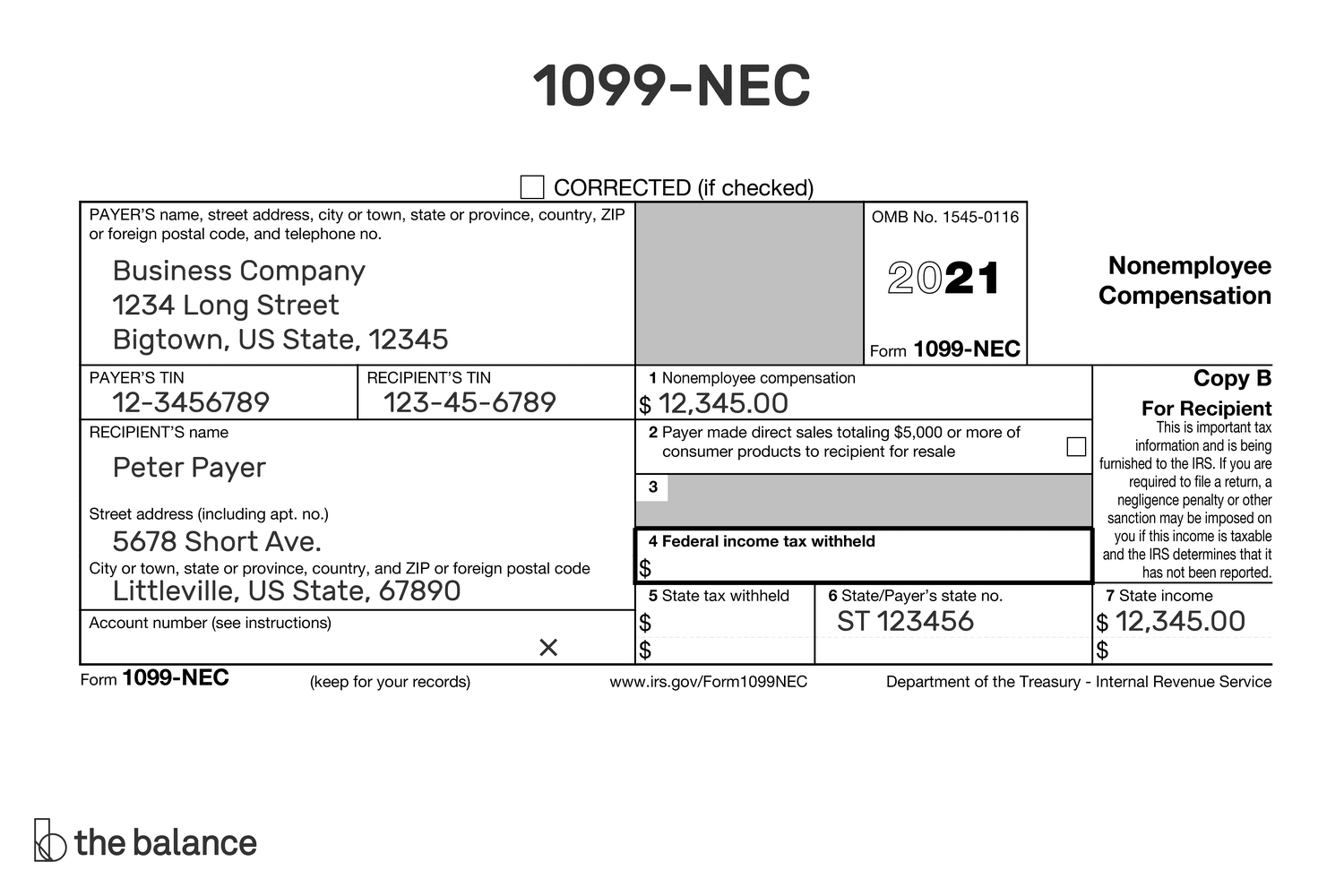
A 1099 form is an IRS information return used to report various types of income received outside traditional employment. Businesses, financial institutions, and other payers use a 1099 form to inform both the recipient and the IRS about payments made during the tax year.
The most common version is Form 1099-NEC, which reports nonemployee compensation paid to freelancers and independent contractors. However, several other versions of the 1099 form exist, including:
| Form Type | Purpose |
|---|---|
| 1099-NEC | Nonemployee compensation |
| 1099-MISC | Miscellaneous income |
| 1099-INT | Interest income |
| 1099-DIV | Dividend income |
| 1099-R | Retirement distributions |
| 1099-G | Government payments |
| 1099-K | Payment card and third-party network transactions |
The IRS receives a copy of every applicable 1099 form, making accurate reporting essential. If income reported on a 1099 form does not match your tax return, the IRS may issue notices or conduct further reviews.
For independent professionals, the 1099 form serves as a record of earnings and helps determine taxable income. It also creates opportunities to claim legitimate business deductions that may reduce overall tax liability.
Powerful Benefits of Understanding the 1099 Form
Many people view the 1099 form merely as a tax document, but it offers several advantages when properly managed.
Greater Income Flexibility
Receiving a 1099 form often means you’re working independently. This allows you to choose clients, set rates, and control your schedule.
Business Expense Deductions
Individuals who receive a 1099 form may qualify for deductions such as:
- Home office expenses
- Internet and phone costs
- Professional software
- Marketing expenses
- Business travel
- Continuing education
- Professional memberships
These deductions can significantly reduce taxable income.
Better Financial Control
The 1099 form encourages proactive financial management. Since taxes aren’t automatically withheld, recipients often develop stronger budgeting and tax planning habits.
Multiple Income Streams
A person can receive multiple 1099 form documents from different clients and businesses, allowing for diversified income sources.
Entrepreneurial Growth
The 1099 form supports self-employment and entrepreneurship, enabling individuals to build scalable businesses rather than relying solely on traditional employment.
Who Receives a 1099 Form?
Many people are surprised to learn how many professions regularly receive a 1099 form.
Common recipients include:
- Freelance writers
- Consultants
- Graphic designers
- Software developers
- Real estate agents
- Rideshare drivers
- Delivery drivers
- Online sellers
- Accountants
- Marketing specialists
- Photographers
- Independent contractors
Generally, businesses issue a 1099 form to nonemployees who meet reporting thresholds established by the IRS.
It’s important to note that receiving a 1099 form does not automatically mean all income is taxable in the same way. The specific type of income reported determines the applicable tax treatment.
Many taxpayers mistakenly believe they only need to report income listed on a 1099 form. In reality, all taxable income must generally be reported, regardless of whether a tax form was issued.
Common 1099 Form Mistakes That Can Trigger Problems
Understanding potential pitfalls can save time, money, and stress.
Ignoring the Form
One of the biggest mistakes is failing to report income shown on a 1099 form. Since the IRS receives copies directly from issuers, discrepancies are often detected automatically.
Using Incorrect Information
Errors involving names, Social Security numbers, EINs, or payment amounts can create reporting complications.
Missing Deadlines
Failing to file tax returns accurately and on time after receiving a 1099 form may result in penalties and interest charges.
Overlooking Estimated Taxes
Recipients of a 1099-form often need to make quarterly estimated tax payments throughout the year.
Missing Deductions
Some taxpayers focus exclusively on income reported on a 1099-form and forget to claim legitimate business expenses that could reduce taxes.
Poor Recordkeeping
Maintaining organized financial records is essential when income is reported through a 1099-form. Accurate documentation supports deductions and simplifies tax preparation.
How to File Taxes When You Receive a 1099-Form
Filing taxes after receiving a 1099-form requires careful preparation.
Gather All Tax Documents
Collect every 1099-form received during the year along with records of additional income and expenses.
Calculate Gross Income
Determine total earnings from all sources, including amounts reported on each 1099-form.
Identify Deductible Expenses
Review business-related expenses that may qualify for deductions.
Common deductible expenses include:
| Expense Category | Potential Deduction |
| Home Office | Office space costs |
| Technology | Computers and software |
| Transportation | Business mileage |
| Marketing | Advertising expenses |
| Professional Services | Legal and accounting fees |
Complete Required Tax Forms
Depending on circumstances, recipients of a 1099-form may need to file:
- Schedule C
- Schedule SE
- Form 1040
- State tax returns
Pay Estimated Taxes
Many individuals receiving a 1099-form must submit quarterly estimated tax payments to avoid underpayment penalties.
1099-Form vs. W-2: Understanding the Difference
One of the most frequently asked questions concerns the distinction between a 1099-form and a W-2.
Employment Status
A W-2 employee works under employer supervision, while a recipient of a 1099-form is generally an independent contractor.
Tax Withholding
Employers typically withhold taxes from W-2 employees. Individuals receiving a 1099-form are usually responsible for managing their own tax obligations.
Benefits
W-2 employees may receive benefits such as health insurance, retirement plans, and paid leave. Independent contractors receiving a 1099-form generally arrange these benefits independently.
Deductions
Recipients of a 1099-form often have greater opportunities to claim business-related deductions compared to traditional employees.
Understanding these differences helps taxpayers make informed career and financial decisions.
Best Practices for Managing 1099-Form Income
Successfully managing 1099-form income requires consistent organization.
Maintain Accurate Records
Keep receipts, invoices, contracts, and bank statements throughout the year.
Separate Business and Personal Finances
Using dedicated business accounts simplifies tracking income reported on a 1099-form.
Set Aside Tax Funds
Many professionals reserve a percentage of every payment received to prepare for tax obligations.
Monitor Quarterly Payments
Regular estimated tax payments help avoid year-end surprises.
Work With Tax Professionals
Professional tax guidance can help ensure compliance and maximize deductions related to 1099-form income.
For additional tax resources, visit the official IRS website: https://www.irs.gov
Frequently Asked Questions
What is a 1099-form used for?
A 1099-form reports income received outside traditional employment and informs both the taxpayer and the IRS about payments made during the year.
Who should receive a 1099-form?
Independent contractors, freelancers, consultants, and others receiving qualifying payments may receive a 1099-form.
Is all income on a 1099-form taxable?
Most income reported on a 1099-form is taxable, although the specific tax treatment depends on the type of income.
Can I claim deductions if I receive a 1099-form?
Yes. Individuals receiving a 1099-form may be eligible for various business expense deductions.
What happens if I forget to report a 1099-form?
The IRS may identify discrepancies and issue notices, penalties, or interest charges.
Do I need quarterly tax payments with a 1099-form?
Many recipients of a 1099-form are required to make estimated tax payments throughout the year.
Can I receive multiple 1099-forms?
Yes. Many independent contractors receive more than one 1099-form from different clients or businesses.
Conclusion
The 1099-form plays a crucial role in the financial lives of freelancers, independent contractors, and business owners. Understanding how the 1099-form works can help you remain compliant, avoid costly mistakes, maximize deductions, and manage your finances more effectively.
Whether you’re receiving your first 1099-form or handling multiple sources of income, maintaining organized records, planning for taxes, and seeking professional guidance can make the process significantly easier. By mastering the essentials of the 1099-form, you’ll be better positioned to protect your income, support long-term financial growth, and confidently meet your tax obligations year after year.
At Syed Professional Services, we help individuals and businesses navigate complex tax matters, including 1099-form reporting, tax planning, bookkeeping, accounting, and IRS compliance. Professional guidance today can help prevent expensive tax issues tomorrow.

