

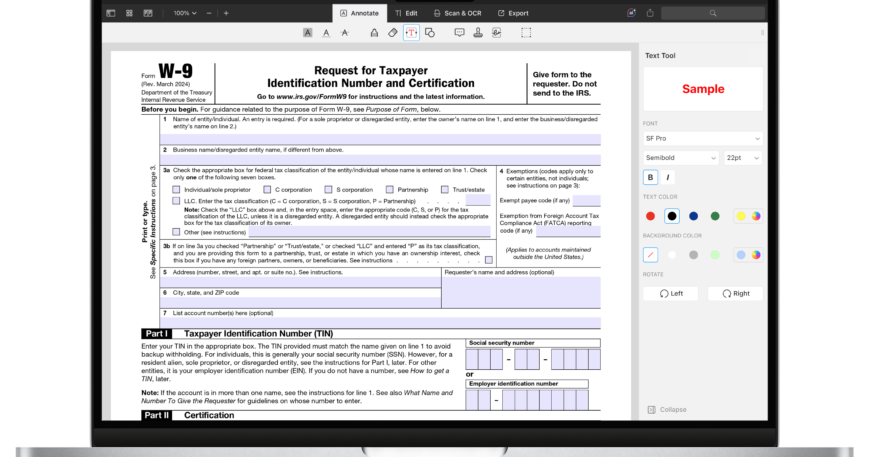
10 Powerful W9 Form Tips to Maximize Tax Compliance and Avoid Costly IRS Mistakes
The W9 form is one of the most commonly requested tax documents for independent contractors, freelancers, consultants, landlords, business owners, and other individuals or entities that receive certain types of payments. Although completing the W9 form is generally straightforward, providing inaccurate information can lead to reporting issues, payment delays, backup withholding, or IRS notices. Understanding how the W9 form works is essential for staying compliant with federal tax regulations.
Whether you are starting a new contract, opening a business relationship, or preparing for year-end tax reporting, you may be asked to complete a W9 form. The information provided on this form enables businesses and financial institutions to accurately prepare information returns, such as Form 1099-NEC or Form 1099-MISC, when required. Completing the form carefully helps ensure your taxpayer information is reported correctly.
This comprehensive guide explains everything you need to know about the W9 form, including its purpose, who should complete it, how to fill it out correctly, common mistakes, backup withholding rules, privacy considerations, and when professional tax assistance can help.
What Is a W9 Form?
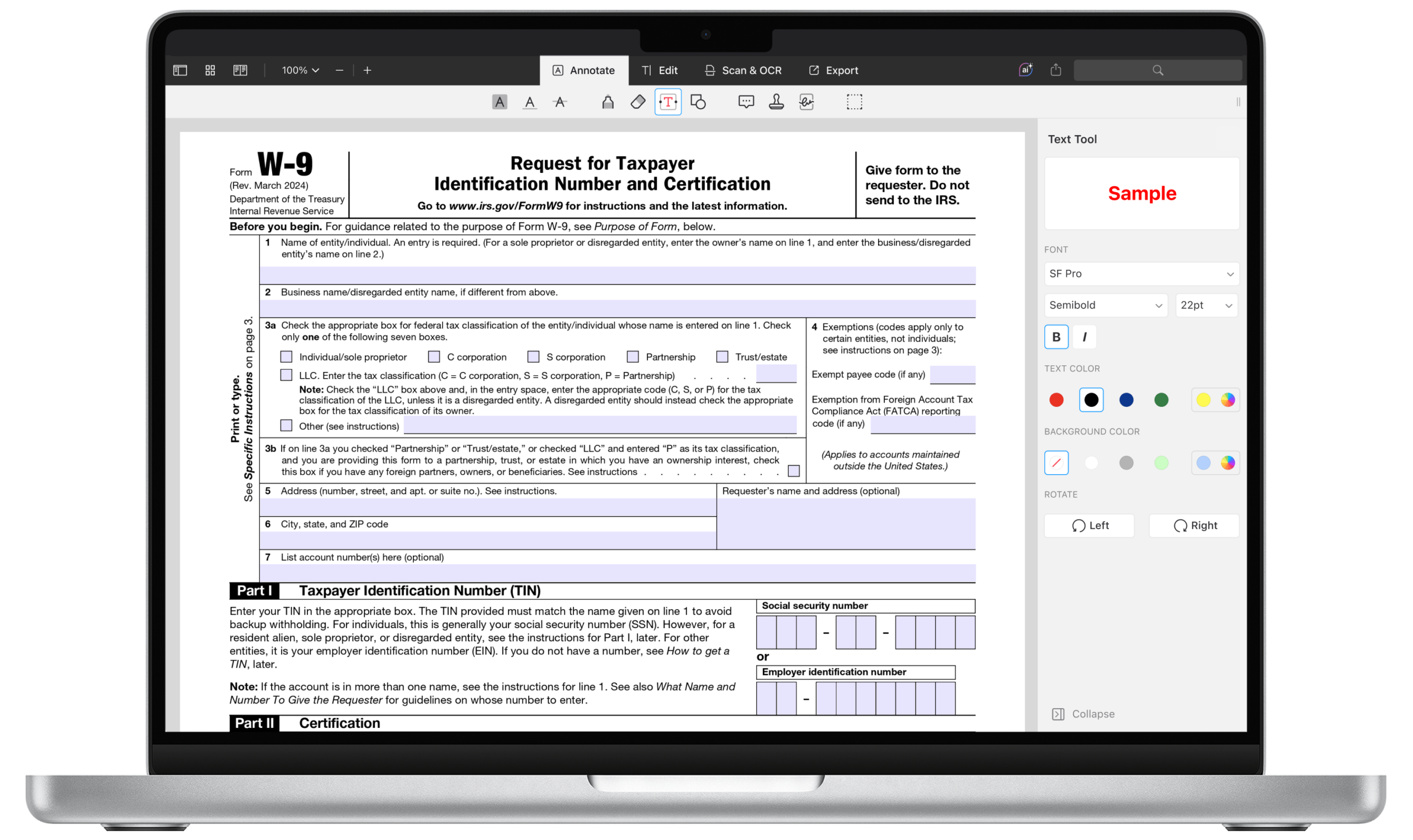
The W9 form (officially Form W-9, Request for Taxpayer Identification Number and Certification) is an IRS document used by businesses to collect a payee’s taxpayer identification information for tax reporting purposes. Unlike many other IRS forms, the W9 form is not generally filed with the IRS by the person completing it. Instead, it is provided to the requesting business or organization.
The W9 form typically includes:
- Legal name
- Business name (if applicable)
- Federal tax classification
- Address
- Taxpayer Identification Number (TIN)
- Social Security Number (SSN) or Employer Identification Number (EIN)
- Certification under penalties of perjury
The information helps businesses prepare required information returns accurately and comply with IRS reporting requirements.
Who Needs to Complete a W9 Form?
Many individuals and businesses may be asked to complete a W9 form.
Common examples include:
- Independent contractors
- Freelancers
- Consultants
- Sole proprietors
- Single-member LLCs
- Partnerships
- Corporations (in certain situations)
- Attorneys
- Landlords
- Financial account holders
If a business expects to report payments to you on an information return, requesting a W9 form is a common part of the onboarding process.
Why Is the W9 Form Important?
The W9 form plays a critical role in accurate tax reporting.
Benefits include:
- Supports accurate IRS reporting
- Helps prepare Forms 1099
- Reduces reporting errors
- Prevents unnecessary backup withholding
- Confirms taxpayer identity
- Improves compliance with federal tax rules
Providing complete and accurate information helps avoid administrative complications later.
How to Complete a W9 Form Correctly
Although the form is relatively short, each section should be completed carefully.
Enter Your Legal Name
Use the name shown on your federal income tax return.
Select the Correct Tax Classification
Choose the appropriate federal tax classification that matches your tax status.
Provide Your Address
Enter your current mailing address where tax documents should be sent.
Enter Your Taxpayer Identification Number
Provide either your Social Security Number (SSN) or Employer Identification Number (EIN), depending on your tax classification.
Sign and Date the Certification
Review the certification carefully before signing under penalties of perjury.
Common W9 Form Mistakes
Many taxpayers unintentionally make errors when completing a W9 form.
Common mistakes include:
- Using an incorrect legal name
- Entering the wrong TIN
- Selecting the wrong tax classification
- Forgetting to sign the form
- Providing outdated address information
- Sending the form to the wrong recipient
- Ignoring backup withholding requirements
Reviewing the form before submission helps minimize delays and reporting issues.
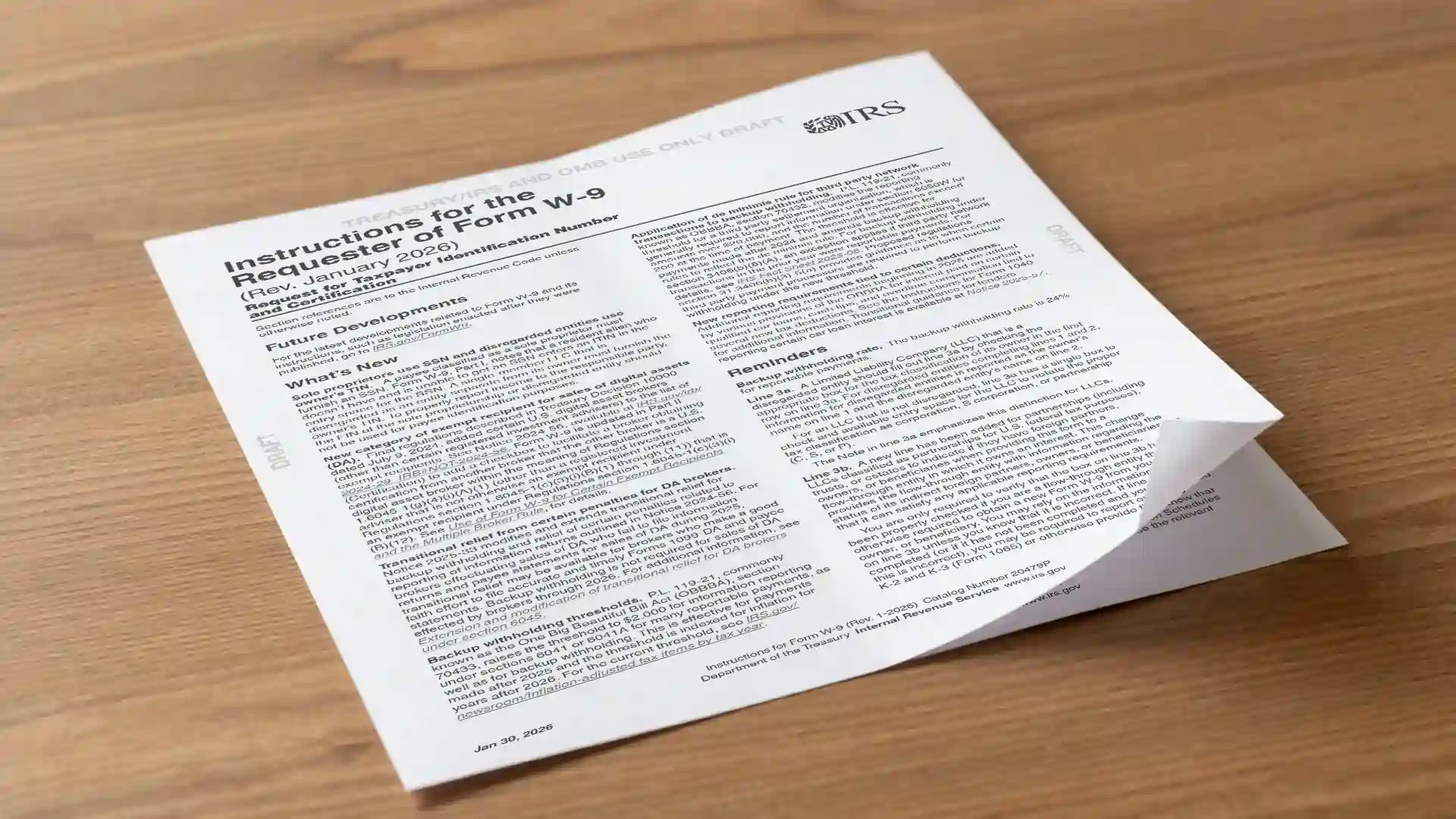
Understanding Backup Withholding
One important purpose of the W9 form is determining whether backup withholding applies.
Backup withholding may be required if:
- A taxpayer fails to provide a TIN.
- The IRS notifies the payer that the TIN is incorrect.
- Required certifications are not provided.
- Certain IRS withholding requirements apply.
Providing accurate information generally helps avoid unnecessary withholding.
When Should You Seek Professional Tax Assistance?
Professional tax guidance may be beneficial if you:
- Recently started a business
- Changed your business structure
- Need an EIN
- Operate multiple businesses
- Receive numerous Forms 1099
- Have international tax obligations
- Are unsure which tax classification to select
An experienced tax professional can help ensure the W9 form is completed correctly and aligns with your overall tax strategy.
Why Choose Syed Professional Services?
At Syed Professional Services, we provide comprehensive tax preparation, accounting, bookkeeping, payroll, and immigration-related tax services for individuals, self-employed professionals, and businesses. Our experienced team helps clients navigate IRS requirements, prepare accurate tax documents, and maintain compliance throughout the year.
Whether you need assistance with a W9 form, Form 1099 reporting, bookkeeping, payroll, or year-round tax planning, we provide personalized solutions designed to simplify complex tax matters.
Frequently Asked Questions
What is a W9 form?
A W9 form is an IRS document used to request a taxpayer’s identification information for information reporting purposes.
Who requests a W9 form?
Businesses, financial institutions, and organizations commonly request a W9-form before making certain reportable payments.
Does the W9-form get filed with the IRS?
Generally, no. The completed form is provided to the requesting business, not directly to the IRS.
What information is required?
The W9-form requests your legal name, tax classification, address, taxpayer identification number, and certification.
What happens if I don’t provide a W9-form?
Failure to provide accurate information may result in backup withholding or delays in processing payments.
How can Syed Professional Services help?
Syed Professional Services assists individuals and businesses with tax preparation, IRS compliance, bookkeeping, accounting, payroll, and tax planning to ensure accurate reporting and peace of mind.
Conclusion
The W9-form is a fundamental part of federal tax reporting for businesses and independent contractors. Completing it accurately helps ensure proper information reporting, minimizes the risk of backup withholding, and supports compliance with IRS requirements.
If you need help understanding the W9-form, managing tax obligations, or planning for the future, Syed Professional Services offers experienced tax and accounting solutions tailored to your personal and business needs.

