

15 Powerful Tax Refund Estimator Tips: Avoid Costly Filing Mistakes and Maximize Your Refund
Introduction
Every tax season, millions of taxpayers want to know one important question: “How much will my tax refund be?” While the exact amount depends on several financial factors, using a tax refund estimator can provide a reliable projection before filing your federal income tax return. Whether you are an employee, self-employed professional, retiree, or small business owner, a tax refund estimator helps you better understand your expected refund or tax balance due.
A tax refund estimator analyzes information such as your income, tax withholding, filing status, deductions, tax credits, and estimated tax payments to calculate your projected refund. Although it does not replace the official tax return, it gives taxpayers valuable insight into their financial situation and allows them to make informed tax planning decisions.
Understanding how a tax refund estimator works can help you avoid surprises, adjust your tax withholding, identify valuable tax credits, and prepare for tax season with confidence. Proper planning may even increase your refund while ensuring compliance with IRS regulations.
At Syed Professional Services, we help individuals, families, and businesses simplify tax preparation through professional tax planning and accounting services. In this comprehensive guide, we explain everything you need to know about a tax refund estimator, including how it works, the factors that affect your refund, common mistakes, and expert strategies for maximizing your tax savings.
What Is a Tax Refund Estimator?
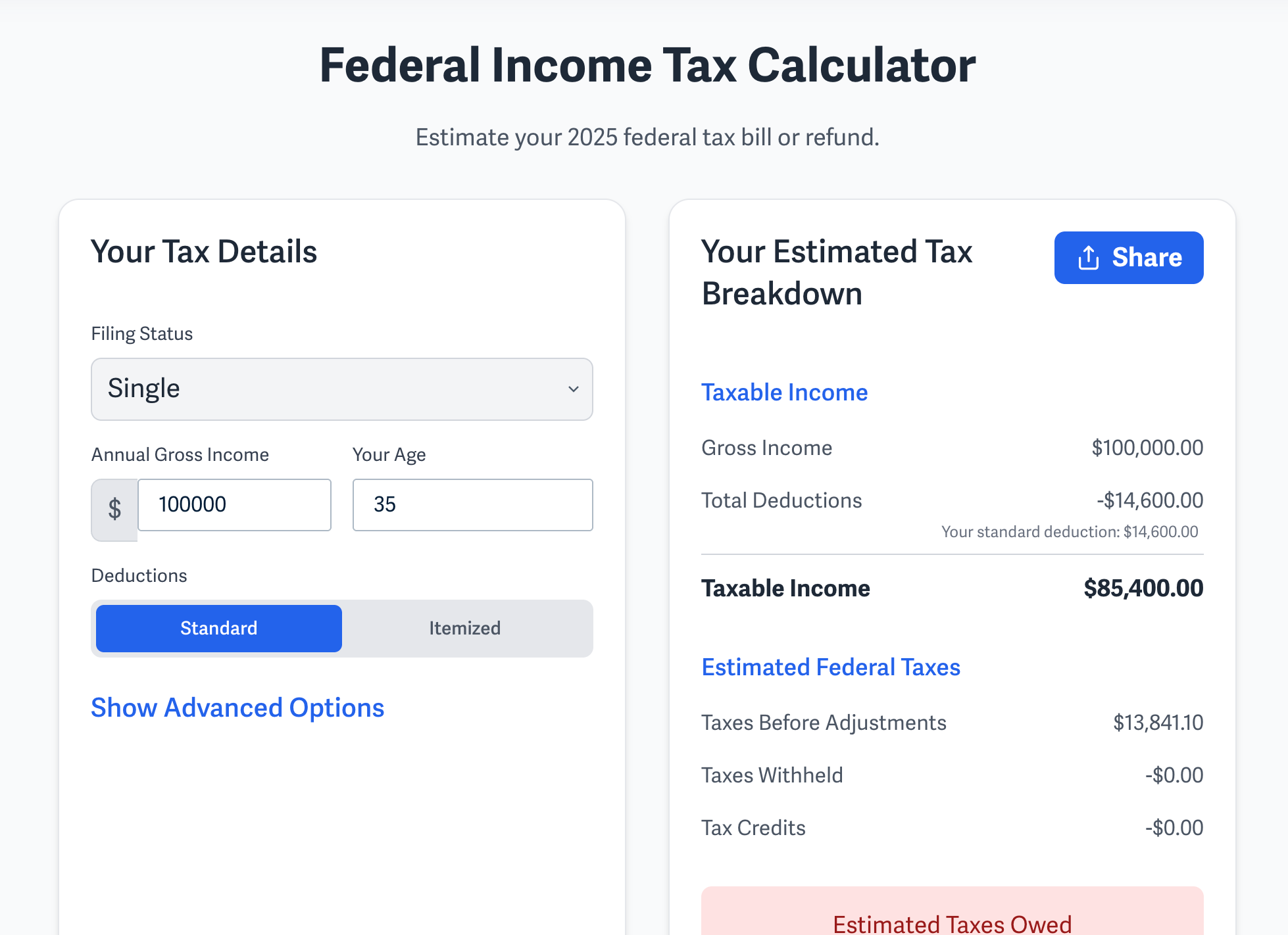
A tax refund estimator is a financial tool that predicts whether you will receive a tax refund or owe additional taxes when filing your federal income tax return.
The tax refund estimator typically considers:
- Annual income
- Filing status
- Federal tax withholding
- Tax credits
- Tax deductions
- Dependents
- Estimated tax payments
- Retirement contributions
By entering accurate financial information into a tax-refund estimator, taxpayers receive an estimate of their expected refund before officially filing their return.
Although estimates are not guaranteed, they provide an excellent starting point for tax planning.
Why Use a Tax Refund Estimator?
Using a tax-refund estimator offers several advantages for taxpayers.
Better Financial Planning
Knowing your expected refund helps with budgeting.
Early Tax Preparation
The tax-refund estimator identifies potential issues before filing.
Withholding Adjustments
Taxpayers can modify payroll withholding if necessary.
Avoid Unexpected Tax Bills
Estimates reduce filing surprises.
Identify Tax Savings
The tax-refund estimator highlights opportunities to maximize credits and deductions.
Proper planning leads to greater financial confidence throughout the year.
How Does a Tax Refund Estimator Work?
A tax-refund estimator uses basic tax calculations to estimate your tax liability.
The process generally includes:
Calculating Total Income
Income from wages, investments, self-employment, and other sources is included.
Applying Deductions
The tax-refund estimator subtracts eligible deductions from taxable income.
Calculating Tax Liability
Federal income tax is determined based on current tax brackets.
Applying Tax Credits
Eligible credits reduce tax liability.
Comparing Tax Payments
Withholding and estimated payments are compared against taxes owed.
The resulting difference estimates your expected refund or balance due.
Information Needed for a Tax Refund Estimator
To obtain accurate results from a tax-refund estimator, taxpayers should gather several documents.
These include:
W-2 Forms
Employment income information.
1099 Forms
Independent contractor or investment income.
Tax Withholding Information
Federal taxes already paid.
Dependents
Information about qualifying children or relatives.
Deductions
Mortgage interest, charitable contributions, and other eligible expenses.
Tax Credits
Education, childcare, and energy-related credits.
Accurate information improves the reliability of any tax-refund estimator.
Factors That Affect Your Tax Refund Estimator Results
Several financial factors influence tax-refund estimator calculations.
Filing Status
Single, married filing jointly, head of household, or other statuses.
Income Level
Higher earnings may increase tax liability.
Tax Withholding
Payroll withholding significantly impacts refunds.
Tax Credits
Credits often increase estimated refunds.
Deductions
Eligible deductions lower taxable income.
Self-Employment Income
Additional taxes may apply.
Understanding these variables helps taxpayers interpret tax refund estimator results more effectively.
Powerful Benefits of Using a Tax Refund Estimator
A tax-refund estimator provides many valuable benefits.
Improved Budgeting
Taxpayers plan finances more effectively.
Better Decision-Making
Financial choices become more informed.
Reduced Stress
Early estimates eliminate uncertainty.
Increased Accuracy
Preparation improves filing confidence.
Enhanced Tax Planning
The tax refund estimator identifies planning opportunities.
Faster Filing Preparation
Organized taxpayers complete returns more efficiently.
These advantages make a tax-refund estimator an important financial planning tool.
Common Tax Refund Estimator Mistakes
Incorrect information can reduce the accuracy of a tax-refund estimator.
Missing Income
Failing to report all earnings.
Incorrect Filing Status
Selecting the wrong tax filing category.
Overlooking Tax Credits
Missing valuable savings opportunities.
Outdated Information
Using old tax data.
Incorrect Withholding Figures
Entering inaccurate payroll information.
Reviewing all information carefully improves estimate accuracy.
Tax Refund Estimator and Tax Credits
Tax credits play a major role in tax-refund estimator calculations.
Common credits include:
Child Tax Credit
Supports qualifying families.
Earned Income Tax Credit
Assists eligible low-to-moderate income taxpayers.
Education Credits
Available for qualifying education expenses.
Child and Dependent Care Credit
Helps working families.
Energy Credits
Supports qualifying energy-efficient improvements.
The tax-refund estimator incorporates eligible credits when calculating projected refunds.
Tax Refund Estimator for Self-Employed Individuals
Self-employed taxpayers also benefit from a tax-refund estimator.
Important considerations include:
Estimated Tax Payments
Quarterly payments affect refund calculations.
Business Income
Net earnings influence tax liability.
Business Expenses
Eligible deductions reduce taxable income.
Self-Employment Tax
Additional tax obligations apply.
Retirement Contributions
Certain contributions reduce taxable income.
A tax-refund estimator helps self-employed individuals prepare for tax obligations.
Best Practices When Using a Tax Refund Estimator
Follow these recommendations for more reliable tax-refund estimator results.
Gather Accurate Documents
Use current financial records.
Review Information Carefully
Double-check all entries.
Update Income Changes
Reflect salary adjustments or additional earnings.
Include All Tax Credits
Do not overlook eligible benefits.
Consult Tax Professionals
Expert guidance improves planning.
These practices produce more meaningful refund estimates.
Why Tax Planning Matters
A tax-refund estimator is only one part of effective tax planning.
Professional planning helps taxpayers:
Reduce Tax Liability
Strategic decisions lower taxes.
Increase Refund Opportunities
Credits and deductions are maximized.
Improve Cash Flow
Tax obligations become more predictable.
Maintain Compliance
Accurate reporting avoids IRS issues.
Support Long-Term Financial Goals
Planning improves financial stability.
Tax planning benefits individuals and businesses alike.
How Syed Professional Services Can Help
At Syed Professional Services, we provide comprehensive tax and accounting solutions tailored to each client’s financial needs.
Our services include:
- Individual tax preparation
- Business tax services
- Tax planning
- Accounting
- Bookkeeping
- Payroll services
- IRS representation
- Financial consulting
- Immigration support
We help clients use a tax-refund estimator effectively while developing personalized tax strategies that maximize savings and maintain compliance.
Our experienced professionals stay current with federal tax regulations to ensure accurate advice and dependable service.
The Future of Tax Refund Estimators
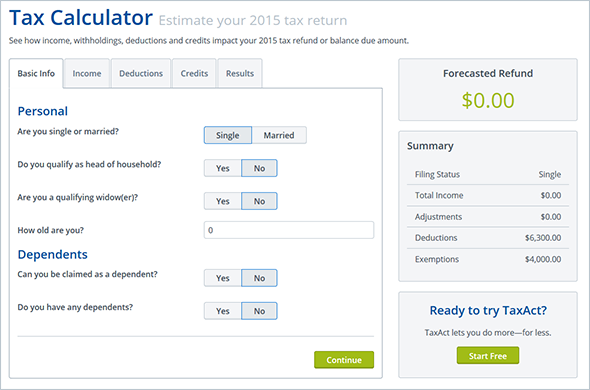
Technology continues transforming tax preparation.
Future improvements in tax-refund estimator tools may include:
Artificial Intelligence
More accurate tax projections.
Automated Data Import
Financial information integrates automatically.
Real-Time Updates
Tax law changes reflected instantly.
Personalized Planning
Customized recommendations based on financial goals.
Enhanced Security
Greater protection for taxpayer information.
These innovations will make tax planning even more efficient.
Frequently Asked Questions
What is a tax-refund estimator?
A tax-refund estimator is a tool that predicts whether you will receive a refund or owe taxes based on your financial information.
Is a tax-refund estimator accurate?
A tax-refund estimator provides a close estimate when accurate financial information is entered, but the final refund depends on your completed tax return.
What information is needed for a tax-refund estimator?
Income, tax withholding, filing status, deductions, tax credits, and dependent information.
Can a tax-refund estimator increase my refund?
The tool itself does not increase refunds, but it helps identify tax planning opportunities that may maximize your refund.
Should self-employed individuals use a tax-refund estimator?
Yes. Self-employed taxpayers benefit from estimating tax obligations and planning quarterly payments.
Can tax professionals help interpret tax-refund estimator results?
Yes. Professional guidance helps ensure accurate planning and identifies additional tax-saving opportunities.
Conclusion
A tax-refund estimator is one of the most valuable tools available for proactive tax planning. By estimating your expected refund before filing, you can better understand your tax situation, make informed financial decisions, adjust withholding if needed, and identify valuable deductions and credits. Whether you are an employee, business owner, freelancer, or retiree, using a tax-refund estimator can reduce uncertainty and improve your overall tax strategy.
However, estimates are only as accurate as the information provided. Working with experienced tax professionals helps ensure that your return is complete, compliant, and optimized for every available tax benefit.
At Syed Professional Services, we are committed to helping individuals and businesses maximize tax savings through expert preparation, strategic planning, and personalized financial guidance. Whether you need assistance using a tax-refund estimator, preparing your return, or developing a long-term tax strategy, our experienced team is here to help you achieve your financial goals with confidence.

