

15 Powerful 1099 Form Secrets: Avoid Costly Tax Mistakes and Maximize Your Financial Success
Introduction
If you are a freelancer, independent contractor, small business owner, investor, or self-employed professional, chances are you have encountered a 1099 form at some point. This important tax document plays a crucial role in reporting income that is not earned through traditional employment. Understanding how a 1099 form works can help you avoid costly tax mistakes, maintain compliance with IRS requirements, and manage your finances more effectively.
Unlike employees who receive a W-2, independent contractors and many non-employees receive a 1099 form to report income earned during the tax year. Businesses use this form to inform both taxpayers and the IRS about payments made for services, rents, dividends, interest, and other income categories. Because there are multiple versions of the 1099 form, understanding which one applies to your situation is essential.
Filing taxes without properly understanding a 1099 form can lead to penalties, audits, and unnecessary stress. Missing income, reporting errors, or failing to issue required forms may create significant financial consequences for individuals and businesses alike.
At Syed Professional Services, we help taxpayers and businesses navigate complex tax regulations with confidence. In this comprehensive guide, we explain everything you need to know about the 1099 form, including types, filing rules, deadlines, common mistakes, and expert strategies for staying compliant.
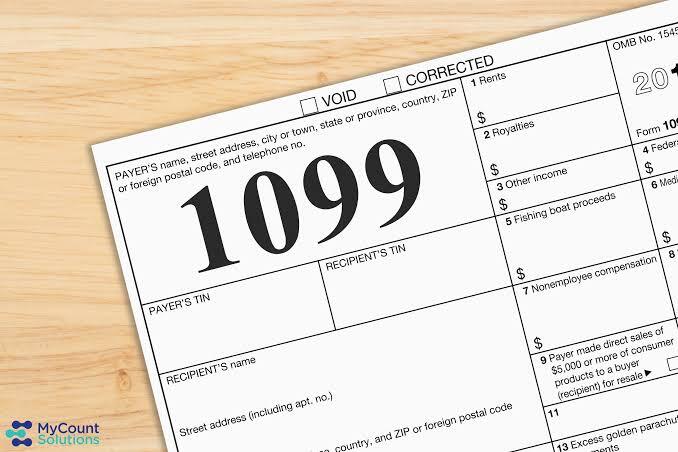
What Is a 1099 Form?
A 1099 form is an IRS information return used to report various types of income received outside of traditional wages and salaries.
The purpose of a 1099 form is to inform taxpayers and the IRS about income earned during the tax year.
Common types of reportable income include:
- Independent contractor payments
- Freelance income
- Interest income
- Dividend income
- Rental income
- Retirement distributions
- Investment earnings
Unlike a W-2, a 1099 form generally does not include tax withholding unless backup withholding rules apply.
Understanding your 1099 form helps ensure accurate tax reporting and compliance.
Why Is the 1099 Form Important?
The 1099 form is one of the most important documents in the U.S. tax system.
It serves several key purposes.
Income Reporting
The 1099 form reports earnings received throughout the year.
IRS Compliance
The IRS uses the 1099 form to verify income accuracy.
Tax Planning
Taxpayers use the form to estimate tax obligations.
Business Reporting
Businesses fulfill legal reporting responsibilities by issuing a 1099 form when required.
Financial Recordkeeping
The form provides an organized summary of income sources.
Properly understanding a 1099 form helps taxpayers avoid costly mistakes and penalties.
Common Types of 1099 Form
There are several variations of the 1099 form, each designed for a specific purpose.
1099-NEC
This 1099 form reports payments made to independent contractors and freelancers.
It is one of the most commonly issued forms.
1099-MISC
The 1099 form version MISC reports:
- Rent payments
- Royalties
- Legal settlements
- Other miscellaneous income
1099-INT
This 1099 form reports interest income earned from banks and financial institutions.
1099-DIV
Investors receive this 1099 form for dividends and capital gain distributions.
1099-R
Retirees may receive a 1099 form reporting pension and retirement distributions.
Understanding the purpose of each form helps taxpayers report income correctly.
Who Receives a 1099 Form?
Many taxpayers receive a 1099 form each year.
Common recipients include:
Independent Contractors
Freelancers and consultants often receive a 1099 form from clients.
Small Business Owners
Business owners may receive multiple forms from customers or investment accounts.
Investors
Interest and dividend income frequently generate a 1099 form.
Landlords
Property owners may receive a 1099 form reporting rental payments.
Retirees
Pension and retirement distributions are commonly reported using a 1099 form.
Anyone receiving non-employee income should understand how these forms affect taxes.
When Is a 1099 Form Required?
Businesses must determine whether issuing a 1099 form is necessary.
Requirements vary depending on:
- Payment type
- Payment amount
- Recipient classification
- IRS regulations
Generally, businesses issue a 1099 form when payments exceed specific thresholds.
Common situations include:
- Independent contractor compensation
- Rent payments
- Royalties
- Legal settlements
Failure to issue a required 1099 form may result in penalties and compliance issues.
Reviewing IRS guidelines annually is highly recommended.
Powerful Benefits of Understanding the 1099-Form
Learning about the 1099-form provides many advantages.
Better Tax Planning
Taxpayers estimate tax obligations more accurately.
Reduced Errors
Understanding reporting requirements lowers the risk of mistakes.
Improved Recordkeeping
The 1099-form helps organize financial information.
IRS Compliance
Accurate reporting minimizes audit risks.
Business Efficiency
Companies streamline reporting processes.
Financial Confidence
Taxpayers gain peace of mind knowing they are following tax laws correctly.
These benefits make learning about the 1099-form extremely valuable.
How to File Taxes With a 1099-Form
Filing taxes with a 1099-form requires careful preparation.
Gather All Documents
Collect:
- 1099-forms
- Business records
- Expense receipts
- Bank statements
Report Income Accurately
Income shown on each 1099-form should be reported correctly.
Claim Eligible Deductions
Business expenses may reduce taxable income.
Calculate Tax Liability
Determine:
- Income tax
- Self-employment tax
- Estimated tax obligations
File On Time
Timely filing avoids penalties and interest charges.
Professional assistance can simplify this process significantly.
Common 1099-Form Mistakes to Avoid
Errors involving a 1099-form can create serious problems.
Missing Income
All income reported on a 1099-form should appear on tax returns.
Incorrect Taxpayer Information
Names and identification numbers must be accurate.
Late Filing
Delays may result in penalties.
Misclassifying Workers
Independent contractors and employees have different tax requirements.
Poor Recordkeeping
Maintain documentation supporting all income and deductions.
Avoiding these mistakes improves compliance and reduces stress.
1099-Form and Self-Employment Taxes
Many recipients of a 1099-form are self-employed.
This means taxpayers may owe:
- Federal income tax
- State income tax
- Self-employment tax
- Estimated quarterly taxes
Because taxes are often not withheld from a 1099-form, proactive tax planning is essential.
Setting aside a portion of income throughout the year can help avoid unexpected tax bills.
Professional tax advisors frequently assist self-employed individuals with planning and compliance.
1099-Form for Businesses
Businesses have important responsibilities regarding the 1099-form.
Tasks include:
Collecting Tax Information
Businesses often request:
- Names
- Addresses
- Taxpayer identification numbers
Tracking Payments
Accurate records help determine filing requirements.
Preparing Forms
Businesses generate a 1099-form for qualifying recipients.
Filing With the IRS
Required forms must be submitted by applicable deadlines.
Maintaining Documentation
Proper records support compliance efforts.
Efficient reporting systems simplify these responsibilities.
Best Practices for Managing a 1099-Form
Following best practices helps taxpayers avoid complications.
Maintain Organized Records
Keep:
- Contracts
- Invoices
- Receipts
- Payment records
Review Forms Carefully
Verify all information on each 1099-form.
Track Expenses
Document deductible business expenses throughout the year.
File Early
Early filing reduces stress and processing delays.
Seek Professional Advice
Tax professionals can explain 1099-form requirements and optimize tax strategies.
These practices improve financial organization and compliance.
How Syed Professional Services Can Help
At Syed Professional Services, we understand that tax regulations can feel overwhelming.
Our experienced professionals provide:
- Tax preparation
- Tax planning
- Accounting services
- Bookkeeping
- Payroll support
- IRS representation
- Business consulting
- Financial advisory services
We help individuals and businesses understand the 1099-form and meet IRS requirements confidently.
Our team stays updated on changing tax laws and provides personalized solutions tailored to each client’s needs.
Whether you are a freelancer, investor, or business owner, we are committed to helping you achieve financial success.

The Future of 1099-Form Reporting
Technology continues transforming tax reporting.
The future of the 1099-form may include:
Greater Automation
Businesses will automate form preparation and filing.
Improved Accuracy
Technology will reduce reporting errors.
Enhanced Security
Digital systems will protect sensitive taxpayer information.
Faster Processing
Electronic filing will continue improving efficiency.
Real-Time Tax Insights
Taxpayers will gain better visibility into income and tax obligations.
These innovations will make managing a 1099-form easier and more efficient.
Frequently Asked Questions
What is a 1099-form?
A 1099-form is an IRS document used to report income earned outside traditional employment.
Who receives a 1099-form?
Independent contractors, freelancers, investors, landlords, and retirees commonly receive a 1099-form.
Is a 1099-form taxable?
Yes. Income reported on a 1099-form is generally taxable.
Can businesses issue a 1099-form electronically?
Yes. Many businesses submit and distribute a 1099-form electronically.
What happens if I forget to report a 1099-form?
Failure to report income from a 1099-form may result in penalties or IRS notices.
Should I hire a tax professional?
Yes. Professional guidance helps ensure accurate reporting and compliance.
Conclusion
A 1099-form is one of the most important tax documents for freelancers, business owners, investors, and self-employed individuals. Understanding how it works helps taxpayers report income accurately, avoid costly mistakes, and maintain compliance with IRS regulations.
Whether you receive a single 1099-form or manage dozens of them for your business, staying organized and informed is essential. From tracking income and claiming deductions to meeting filing deadlines, proactive tax planning can simplify the process and improve financial outcomes.
At Syed Professional Services, we are dedicated to helping individuals and businesses navigate tax regulations with confidence. Through expert tax preparation, accounting services, and personalized guidance, we help clients manage every 1099-form efficiently and build a stronger financial future.

