
7 Devastating EIN Application Mistakes That Sabotage Your Business and Immigration Case – Ultimate Guide
Your Employer Identification Number (EIN) is the financial fingerprint of your business. It’s the number that identifies you to the IRS, unlocks business bank accounts, enables payroll processing, and appears on countless tax filings and legal documents. For immigrants, the EIN is even more significant—it’s often required for visa applications, business formation, and demonstrating the legitimacy of a U.S. enterprise. Yet the EIN application process, while seemingly straightforward, is riddled with pitfalls that can delay your business launch, trigger IRS complications, and even jeopardize your immigration case. At Syed Professional Services, we’ve guided countless entrepreneurs and immigrants through the EIN application process, and we’ve witnessed the painful consequences of preventable errors.
This comprehensive guide will expose seven devastating EIN application mistakes that can sabotage your business and immigration case. You’ll learn exactly what the EIN application requires, how to complete it correctly, how to avoid the most common errors, and why professional guidance is essential for success. Whether you’re a new business owner, an immigrant entrepreneur, or an established organization seeking a separate EIN, mastering the EIN application process is non-negotiable. With Syed Professional Services as your partner—combining tax, accounting, and immigration expertise—your EIN application can become a foundation of compliance and confidence rather than a source of frustration.
What Is an EIN Application and Why Does It Matter?
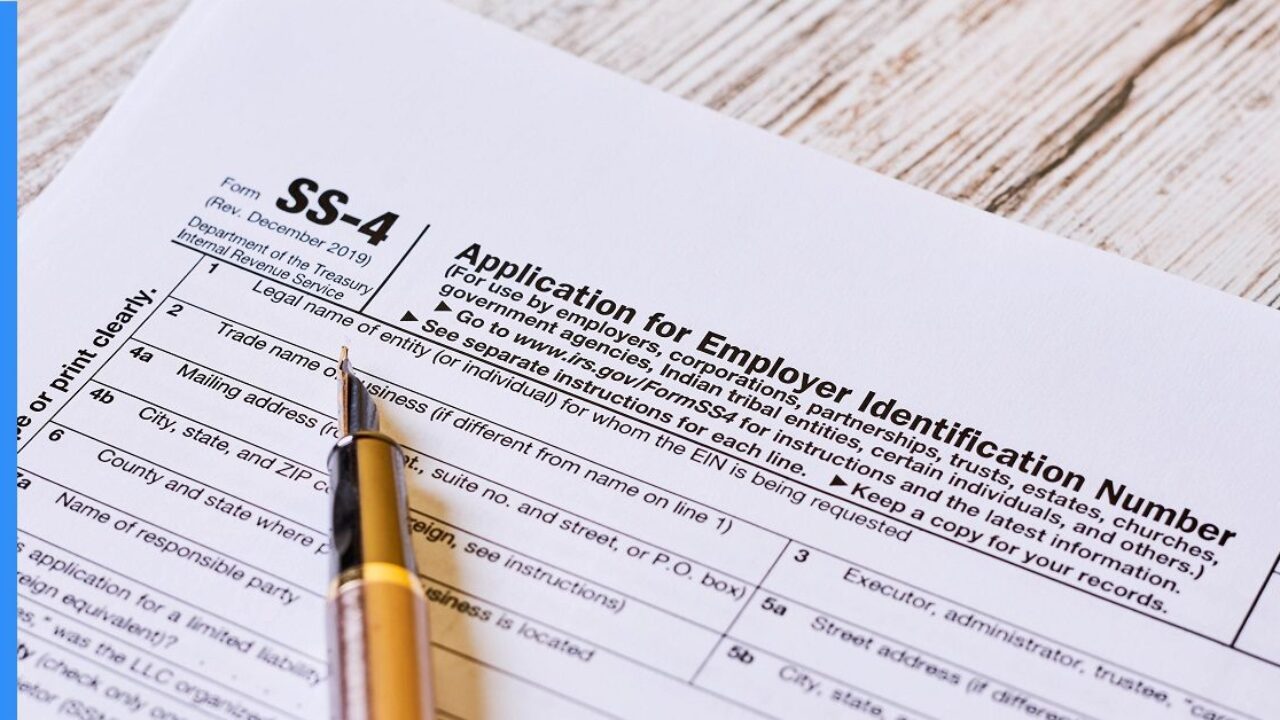
An EIN application is the formal request to the Internal Revenue Service for an Employer Identification Number—a unique nine-digit number assigned to businesses, nonprofits, trusts, estates, and other entities for tax purposes. The EIN application is free when filed directly with the IRS, and it can be completed online, by fax, or by mail. The EIN application requires basic information about your entity: legal name, responsible party, address, entity type, and the reason you’re applying.
The EIN application matters because an EIN is essential for countless business activities. Without an EIN, you can’t open a business bank account, hire employees, file business tax returns, or establish business credit. For immigrants, the EIN application is often a prerequisite for visa categories like E-2, L-1, and EB-5, which require proof of a legitimate U.S. business. An EIN application completed incorrectly can delay your business formation, cause IRS correspondence, and create inconsistencies that affect your immigration case. Understanding the EIN application process—and avoiding the mistakes that derail it—is essential for anyone serious about building a business in America.
Devastating Mistake #1: Applying for the Wrong Entity Type on Your EIN Application
The most common EIN application mistake is selecting the wrong entity type. The IRS requires you to indicate whether your business is a sole proprietorship, partnership, corporation, S corporation, LLC, or another entity type. This selection affects how you file taxes, how you’re taxed, and what other IRS forms you’ll need to submit. Choosing the wrong entity type on your EIN application can lead to incorrect tax filings, penalties, and the need to obtain a new EIN.
Many applicants rush through the EIN application without understanding the differences between entity types. An LLC, for example, can elect to be taxed as a sole proprietorship, partnership, S corporation, or C corporation. The EIN application asks how the LLC will be taxed, and the wrong answer can cause significant problems. Syed Professional Services helps clients determine the correct entity type before submitting their EIN application. We analyze your business structure, ownership, and tax goals to ensure that your EIN application reflects the right classification from the start.
Devastating Mistake #2: Providing Inaccurate Responsible Party Information
Every EIN application must designate a “responsible party”—the individual who ultimately owns or controls the entity. The IRS requires the responsible party’s name, Social Security Number or ITIN, and address. A devastating EIN application mistake is providing inaccurate responsible party information. This can occur when a business owner uses a nominee, provides an incorrect SSN, or lists an address that doesn’t match IRS records. The result is a rejected EIN application or an EIN issued with incorrect information that must later be corrected.
For immigrants, the responsible party information on the EIN application is particularly critical. USCIS officers may review your EIN documentation when evaluating your business-based visa application. If the responsible party information is inconsistent with other immigration documents, it can raise red flags. Syed Professional Services reviews every EIN application to ensure that the responsible party information is accurate, consistent, and properly documented. We help immigrants understand how the EIN application connects to their broader immigration strategy.
Devastating Mistake #3: Using the Wrong Application Method and Causing Delays
The IRS offers three methods for submitting an EIN application: online, by fax, and by mail. The online EIN application is the fastest and is available for most entity types, but it has limitations. Entities without a valid SSN or ITIN for the responsible party cannot apply online. Foreign entities without a U.S. address may need to fax or mail their EIN application. Choosing the wrong application method can cause weeks of delay.
A devastating EIN application mistake is assuming that online filing is always available. If you’re a nonresident alien without an SSN or ITIN, you cannot use the online EIN application system. You must submit your EIN application by fax or mail, which takes longer. Syed Professional Services guides clients to the correct EIN application method based on their situation. We prepare the necessary forms, submit them through the appropriate channel, and track the EIN application until the EIN is issued.
Devastating Mistake #4: Failing to Understand the Difference Between an EIN and an ITIN
Many immigrants confuse the EIN application with the ITIN application. An EIN is for businesses; an ITIN is for individuals who need a tax identification number but aren’t eligible for a Social Security Number. A devastating mistake is submitting an EIN application when an ITIN is needed—or vice versa. This confusion can delay tax filings, cause IRS rejections, and complicate immigration documentation.
The EIN application and ITIN application serve different purposes, but both are essential for immigrants navigating the U.S. tax system. If you’re forming a business, you need an EIN application. If you’re an individual filing taxes without an SSN, you need an ITIN. Some immigrants need both. Syed Professional Services helps clients understand which number they need and how to obtain it. We handle the EIN application and ITIN application processes, ensuring that every identification number is correct and properly integrated with your tax and immigration strategy.
Devastating Mistake #5: Not Updating Your EIN Application Information After Changes
Your EIN application is not a one-time event. When your business changes its name, address, responsible party, or entity structure, you must update your EIN records with the IRS. A devastating mistake is failing to update your EIN application information, resulting in correspondence going to the wrong address, tax filings containing incorrect information, and potential compliance issues.
The EIN application establishes your business identity, but maintaining that identity requires ongoing attention. If you move your business, change ownership, or restructure, you may need to file Form 8822-B to update your EIN application information—or, in some cases, obtain a new EIN. Syed Professional Services monitors our clients’ EIN records and advises on when updates are needed. We ensure that your EIN application information remains accurate and consistent with your current business operations.
Devastating Mistake #6: Overlooking the Immigration Implications of Your EIN Application
For immigrant entrepreneurs, the EIN application is not just a tax form—it’s evidence of your business’s legitimacy. USCIS officers reviewing E-2, L-1, or EB-5 petitions may examine your EIN application and the documentation it generates to verify that your business is real, operational, and compliant with U.S. law. A EIN application that contains errors, inconsistencies, or signs of a sham entity can destroy your immigration case.
The immigration implications of an EIN application are often overlooked. The information you provide on your EIN application—entity name, address, responsible party, business activity—must be consistent with your business plan, your tax returns, and your visa petition. Syed Professional Services integrates EIN application preparation with immigration strategy. We ensure that your EIN application information aligns with your visa category requirements and that the documentation it produces supports your case.
Devastating Mistake #7: Going It Alone Without Professional EIN-Application Guidance
The EIN-application appears simple—fill out a short form, click submit, and receive your number. But the simplicity is deceptive. The EIN-application involves decisions about entity type, responsible party, tax classification, and application method that have long-term consequences. A mistake on your EIN-application can lead to incorrect tax filings, IRS penalties, banking problems, and immigration complications. Attempting to navigate this process alone is a devastating mistake.
Professional guidance is an investment in your business and your immigration case. An experienced professional understands the nuances of the EIN-application process, knows how to avoid common pitfalls, and can integrate your EIN-application with your broader tax and immigration strategy. Syed Professional Services provides comprehensive EIN-application support. We prepare your application, submit it correctly, and ensure that the resulting EIN is properly integrated with your business and immigration plans. When you work with us, your EIN-application becomes a foundation of compliance and confidence.
Building a Winning EIN-Application Strategy
Here is the proactive EIN-application strategy Syed Professional Services recommends:
-
Determine Your Entity Type. Choose the right entity classification before submitting your EIN-application.
-
Identify the Responsible Party. Ensure the responsible party information is accurate and consistent.
-
Choose the Right Application Method. Use the method that’s appropriate for your situation and residency status.
-
Understand EIN vs. ITIN. Know which number you need and why.
-
Update When Changes Occur. Keep your EIN-application information current.
-
Coordinate with Immigration Goals. Ensure your EIN-application supports your visa or green card case.
-
Seek Professional Guidance. Work with experts who understand the full scope of the EIN-application process.
This strategy transforms the EIN-application from a source of confusion into a structured, manageable task. Syed Professional Services guides you through each step, providing the expertise and support that make success likely.
How Syed Professional Services Transforms Your EIN-Application Experience
Our clients don’t navigate the EIN-application process alone. We offer comprehensive services that cover every aspect of EIN-application management:
-
Entity type analysis to choose the right classification.
-
EIN-application preparation with meticulous attention to detail.
-
Application submission through the correct channel.
-
ITIN application support when needed.
-
EIN record updates when your business changes.
-
Immigration integration to ensure your EIN-application supports your visa case.
-
Ongoing compliance support for your business.
This comprehensive approach turns the EIN-application from a source of anxiety into a foundation of confidence and success.
Real-World Consequences of EIN-Application Mistakes
Consider these composite scenarios based on cases we’ve encountered:
Scenario 1: An immigrant entrepreneur submitted an EIN-application selecting the wrong entity type. The error caused incorrect tax filings and delayed his E-2 visa application by three months. Syed Professional Services corrected the EIN-application information and resolved the immigration delay.
Scenario 2: A business owner used a nominee as the responsible party on his EIN-application. When he later applied for a business loan, the inconsistency between the EIN-application and his ownership documents caused the loan to be denied. Syed Professional Services corrected the EIN-application and restored consistency.
Scenario 3: A nonprofit founder filed an EIN-application by mail without professional guidance. The application contained errors and was rejected twice, delaying the nonprofit’s ability to open a bank account and accept donations. Syed Professional Services corrected the EIN-application and expedited the process.
In each case, professional EIN-application guidance would have prevented the problem. Syed Professional Services exists to ensure you never face these costly consequences alone.
Frequently Asked Questions About EIN-Applications
Q: How long does an EIN-application take?
A: Online EIN-applications can be processed instantly. Fax applications take about 4 business days. Mail applications take 4–6 weeks. Syed Professional Services helps you choose the fastest method for your situation.
Q: Can I submit an EIN-application without a Social Security Number?
A: Yes, but you cannot use the online system. You must submit your EIN-application by fax or mail. Syed Professional Services handles this process for nonresident applicants.
Q: What is the difference between an EIN and an ITIN?
A: An EIN is for businesses. An ITIN is for individuals who need a tax ID but don’t have an SSN. Some immigrants need both. Syed Professional Services can help you obtain the right number.
Q: Do I need a new EIN if my business changes?
A: It depends on the change. Some changes require a new EIN-application; others require updating your existing record. Syed Professional Services can advise you.
Q: How does an EIN-application affect my immigration case?
A: Your EIN-application and the resulting EIN may be reviewed by USCIS as evidence of your business’s legitimacy. Accurate, consistent information supports your case.

Proactive Steps You Can Take Today
-
Determine your entity type. Before submitting your EIN-application, understand your options.
-
Gather your documents. Have your SSN or ITIN, business information, and address ready.
-
Choose the right application method. Online, fax, or mail—pick the method that fits your situation.
-
Contact Syed Professional Services for a comprehensive EIN-application consultation. We’ll ensure your application is accurate, compliant, and aligned with your immigration goals.
Conclusion: Master Your EIN-Application for Business and Immigration Success
The seven devastating mistakes—wrong entity type, inaccurate responsible party, wrong application method, EIN/ITIN confusion, failure to update, overlooking immigration implications, and going it alone—are all avoidable with knowledge and professional support. The EIN-application is a foundational step for any business, and for immigrants, it’s a critical component of a successful immigration strategy.
Syed Professional Services is your ultimate ally in the EIN-application process. We bring together tax, accounting, and immigration expertise to ensure that your EIN-application is accurate, compliant, and positioned for success. Don’t let a preventable EIN-application mistake sabotage your business or your immigration case. Contact us today to schedule your EIN-application consultation. Together, we’ll turn your EIN-application into a foundation of confidence—and a stepping stone toward the American dream.
