

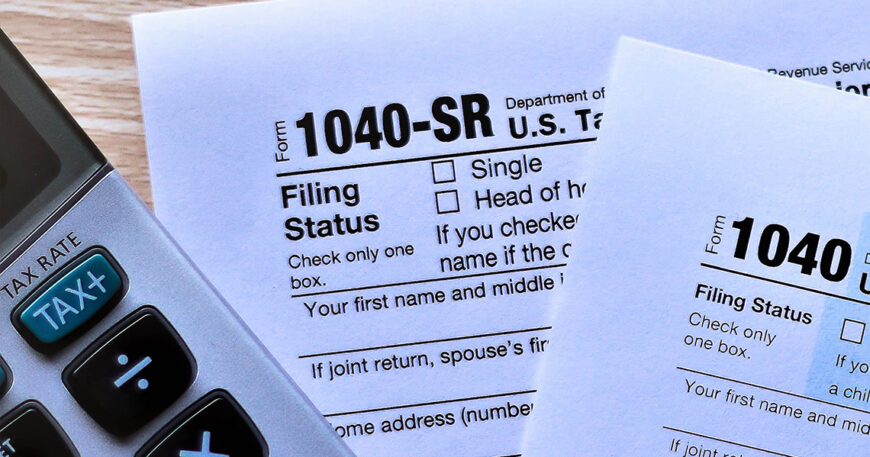
15 Powerful IRS Forms Tips: Avoid Costly Tax Mistakes and Maximize Your Filing Success
Introduction
Filing taxes can feel overwhelming, especially when you encounter dozens of documents, schedules, and filing requirements. Among the most important documents taxpayers deal with are irs forms. Whether you are an employee, self-employed professional, business owner, investor, or retiree, understanding irs forms is essential for filing accurate tax returns and avoiding costly mistakes.
The Internal Revenue Service uses irs forms to collect information regarding income, deductions, credits, tax liabilities, and other financial activities. These forms help taxpayers report earnings, claim tax benefits, and meet federal tax obligations. Filing the correct irs forms on time is critical to preventing penalties, delays, audits, and unnecessary stress.
For individuals and businesses alike, understanding how irs forms work can simplify tax preparation and improve financial planning. From the well-known Form 1040 to specialized forms for businesses, investments, and retirement accounts, each document serves a specific purpose.
At Syed Professional Services, we help individuals and businesses navigate tax requirements with confidence. In this comprehensive guide, we will explain the most common irs forms, filing requirements, deadlines, mistakes to avoid, and best practices for successful tax preparation.
What Are IRS Forms?
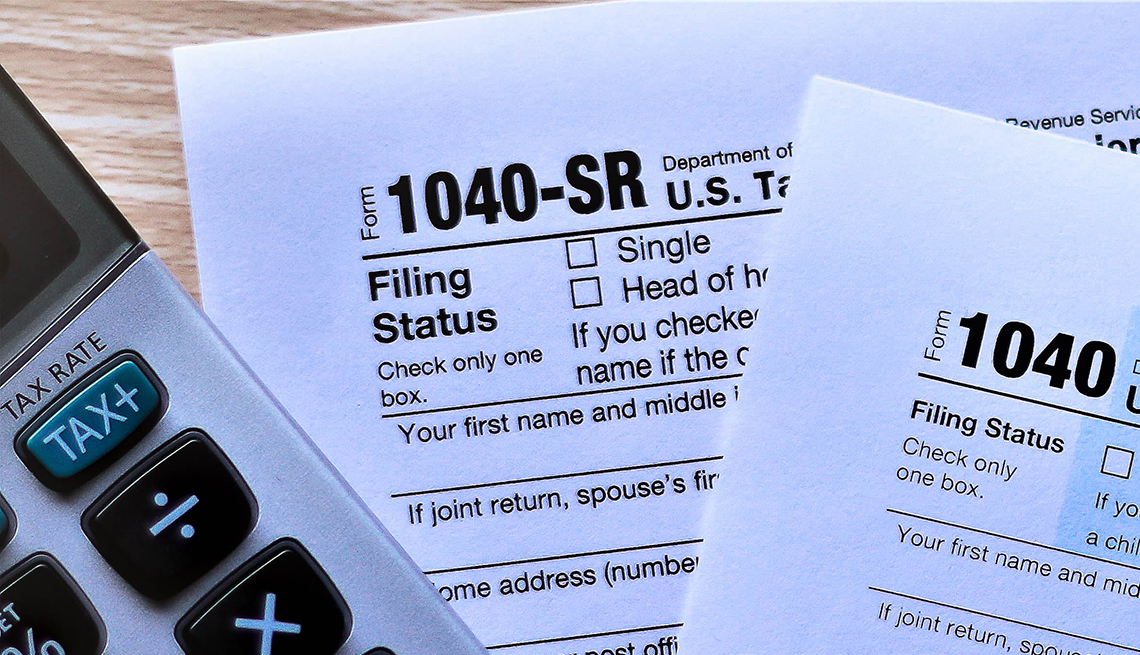
IRS forms are official documents issued by the Internal Revenue Service that taxpayers use to report financial information and fulfill federal tax obligations.
These forms cover many areas, including:
- Individual income taxes
- Business taxes
- Payroll taxes
- Retirement accounts
- Investment income
- Tax credits
- Deductions
- Information reporting
The purpose of irs forms is to standardize the reporting process and ensure taxpayers provide the information necessary for accurate tax administration.
Whether filing electronically or on paper, taxpayers must complete the appropriate irs forms based on their financial situation.
Understanding these documents is one of the first steps toward successful tax planning.
Why IRS Forms Are Important
Properly completing irs forms is essential for several reasons.
Accurate Tax Reporting
The information reported on irs forms determines your tax liability and eligibility for refunds.
Compliance With Federal Law
Taxpayers are legally required to submit certain irs forms according to IRS regulations.
Claiming Deductions and Credits
Many tax-saving opportunities are available only when taxpayers correctly complete the required irs forms.
Avoiding Penalties
Incorrect or late irs forms may result in penalties, interest charges, or additional scrutiny.
Financial Documentation
Completed irs forms often serve as valuable financial records for loans, immigration matters, and business transactions.
The importance of accurate tax reporting makes understanding irs forms a valuable financial skill.
Most Common IRS Forms
The IRS publishes hundreds of forms, but several are used more frequently than others.
Form 1040
Form 1040 is the primary individual income tax return.
Taxpayers use this form to report:
- Wages
- Interest income
- Business income
- Capital gains
- Tax credits
- Deductions
Among all irs forms, Form 1040 is the most widely used.
Form W-2
Employers issue Form W-2 to report employee wages and tax withholding.
This is one of the most important irs forms used by employees when preparing tax returns.
Form 1099
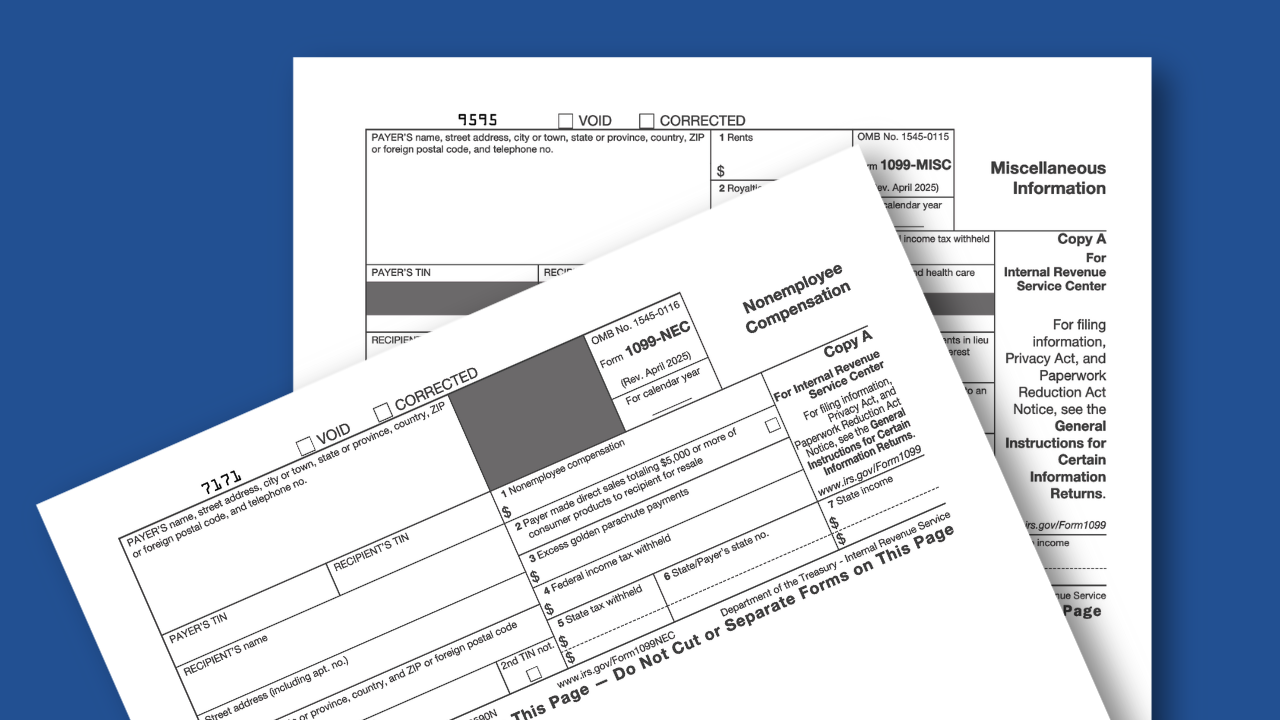
Independent contractors, freelancers, and investors often receive Form 1099.
Several variations exist, including:
- 1099-NEC
- 1099-INT
- 1099-DIV
- 1099-R
These irs forms help report income from various sources.
Form W-9
Businesses use Form W-9 to collect taxpayer identification information.
Form 941
Employers file Form 941 to report payroll taxes.
Businesses frequently rely on this among other irs forms to maintain payroll compliance.
IRS Forms for Businesses
Businesses face additional reporting requirements and must file specific irs forms depending on their structure.
Sole Proprietorships
Sole proprietors often file:
- Form 1040
- Schedule C
- Schedule SE
These irs forms help report business income and self-employment taxes.
Partnerships
Partnerships typically file Form 1065.
Corporations
Corporations may file:
- Form 1120
- Form 1120-S
These important irs forms report corporate income and tax liabilities.
Payroll Tax Forms
Businesses with employees commonly file:
- Form 941
- Form 940
- Form W-2
Understanding these irs forms is critical for business compliance.
IRS Forms for Self-Employed Individuals
Freelancers and independent contractors must pay special attention to irs forms.
Common documents include:
Schedule C
Schedule C reports profits and losses from business activities.
Schedule SE
This form calculates self-employment taxes.
Form 1099-NEC
Clients issue this form to report nonemployee compensation.
Because self-employed individuals often manage taxes independently, understanding these irs forms can help prevent filing mistakes.
Proper recordkeeping also simplifies tax preparation.
IRS Forms and Tax Credits
Many tax benefits require specific irs forms.
Examples include:
Child Tax Credit
Taxpayers may use various schedules and irs forms to claim eligible credits.
Education Credits
Students and families often rely on forms associated with educational expenses.
Earned Income Tax Credit
Eligible taxpayers use irs-forms to determine qualification and calculate benefits.
Retirement Savings Credits
Certain retirement contributions may qualify for additional tax benefits.
Correctly preparing these irs-forms can significantly reduce tax liabilities.
Common IRS-Forms Mistakes to Avoid
Errors involving irs-forms are more common than many people realize.
Incorrect Social Security Numbers
Even small errors can delay processing.
Missing Income
Failure to report all income appearing on irs-forms may trigger IRS notices.
Filing Late
Missing deadlines can result in penalties.
Incorrect Filing Status
Using the wrong filing status may affect tax calculations.
Math Errors
Calculation mistakes can delay refunds or create tax liabilities.
Missing Signatures
Unsigned irs-forms may be rejected.
Carefully reviewing documents before submission helps avoid these problems.
Electronic Filing and IRS-Forms
Technology has transformed how taxpayers file irs-forms.
Benefits of electronic filing include:
- Faster processing
- Reduced errors
- Immediate confirmation
- Faster refunds
- Enhanced security
Many taxpayers now submit irs-forms electronically rather than mailing paper documents.
Electronic filing often improves accuracy and convenience.
However, maintaining copies of filed irs-forms remains important for future reference.
IRS-Forms and Recordkeeping
Organized records simplify tax preparation and support accurate filing.
Taxpayers should retain:
- W-2 forms
- 1099 forms
- Receipts
- Bank statements
- Prior tax returns
- Investment records
Maintaining records related to irs-forms helps resolve questions and support deductions.
Good recordkeeping can also simplify audits and financial planning.
Individuals and businesses alike benefit from organized tax documentation.
Important IRS-Forms Deadlines
Filing deadlines vary depending on the specific irs-forms involved.
Common deadlines include:
- Individual tax returns
- Quarterly estimated taxes
- Payroll tax filings
- Information returns
- Business tax returns
Missing deadlines for irs-forms may result in:
- Penalties
- Interest charges
- Delayed refunds
- Increased compliance risks
Planning ahead helps taxpayers submit irs-forms on time.
How Professional Tax Services Help With IRS-Forms
Many individuals and businesses seek professional assistance with irs-forms.
Professional support can provide:
- Tax planning
- Filing guidance
- Error prevention
- Audit support
- Business tax advice
- Compliance assistance
Experienced professionals understand changing tax laws and filing requirements.
Working with experts often simplifies the preparation of irs-forms and improves overall financial planning.
How Syed Professional Services Can Help
At Syed Professional Services, we understand that navigating irs-forms can be confusing and time-consuming.
Our team assists clients with:
- Individual tax returns
- Business tax preparation
- Payroll tax services
- Tax planning
- IRS correspondence
- Accounting services
- Immigration-related financial documentation
We help clients prepare and file irs-forms accurately while minimizing tax liabilities and compliance risks.
Whether you are an employee, entrepreneur, investor, or retiree, our professionals are committed to helping you make informed financial decisions.
Best Practices for Managing IRS-Forms
To simplify tax filing, consider these best practices:
Keep Organized Records
Maintain copies of all important irs-forms and supporting documents.
File Early
Submitting irs-forms early can reduce stress and avoid last-minute mistakes.
Review Carefully
Double-check names, identification numbers, and financial information.
Stay Informed
Tax laws and irs-forms may change periodically.
Seek Professional Guidance
Professional assistance can improve accuracy and maximize tax-saving opportunities.
These habits promote better financial management and tax compliance.
Frequently Asked Questions
What are irs-forms?
IRS-forms are official documents used to report income, deductions, credits, and tax liabilities to the Internal Revenue Service.
Which irs-forms are most common?
Common irs-forms include Form 1040, Form W-2, Form 1099, Form W-9, and Form 941.
Can I file irs-forms electronically?
Yes. Most irs-forms can be submitted electronically using approved filing systems.
What happens if I file irs-forms late?
Late irs-forms may result in penalties, interest charges, and delayed refunds.
How long should I keep irs-forms?
Taxpayers should generally keep copies of irs-forms and supporting documents for several years.
Should I hire a professional to prepare irs-forms?
Many individuals and businesses benefit from professional assistance to ensure accurate filing and compliance.
Conclusion
Understanding irs-forms is an essential part of responsible financial management. From reporting wages and business income to claiming deductions and meeting federal tax obligations, these forms play a vital role in the tax system.
By learning which irs-forms apply to your situation, staying organized, filing on time, and avoiding common mistakes, you can simplify tax season and reduce unnecessary stress. Accurate filing not only helps ensure compliance but can also maximize refunds and minimize tax liabilities.
At Syed Professional Services, we are committed to helping individuals and businesses navigate the complexities of irs-forms with confidence. Through expert guidance, personalized service, and proactive tax planning, we help our clients achieve greater financial success and peace of mind.

