
9 Crucial DS260 Mistakes You Must Avoid — Unlock Smooth Visa Processing Today
Filing immigration paperwork is no walk in the park — especially when it comes to the DS260, the online immigrant visa application form. This digital form is essential for those applying for lawful permanent residence through family or employment-based petitions. But here’s the kicker: a single mistake on your DS260 can cause months of delays, or worse, denial of your visa.
At Syed Professional Services, we specialize in guiding individuals through complex immigration and tax procedures. With our deep experience in handling the DS260, we’re here to help you avoid the common pitfalls that trip up thousands of applicants each year.
Let’s dive into the 9 most critical mistakes people make when submitting the DS260 — and how you can sidestep them for a smooth and successful visa journey.
Misunderstanding the Purpose of the DS260
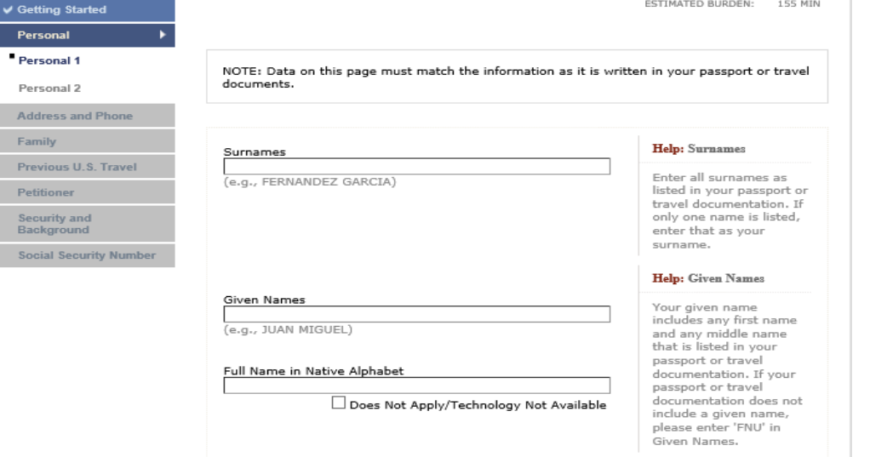
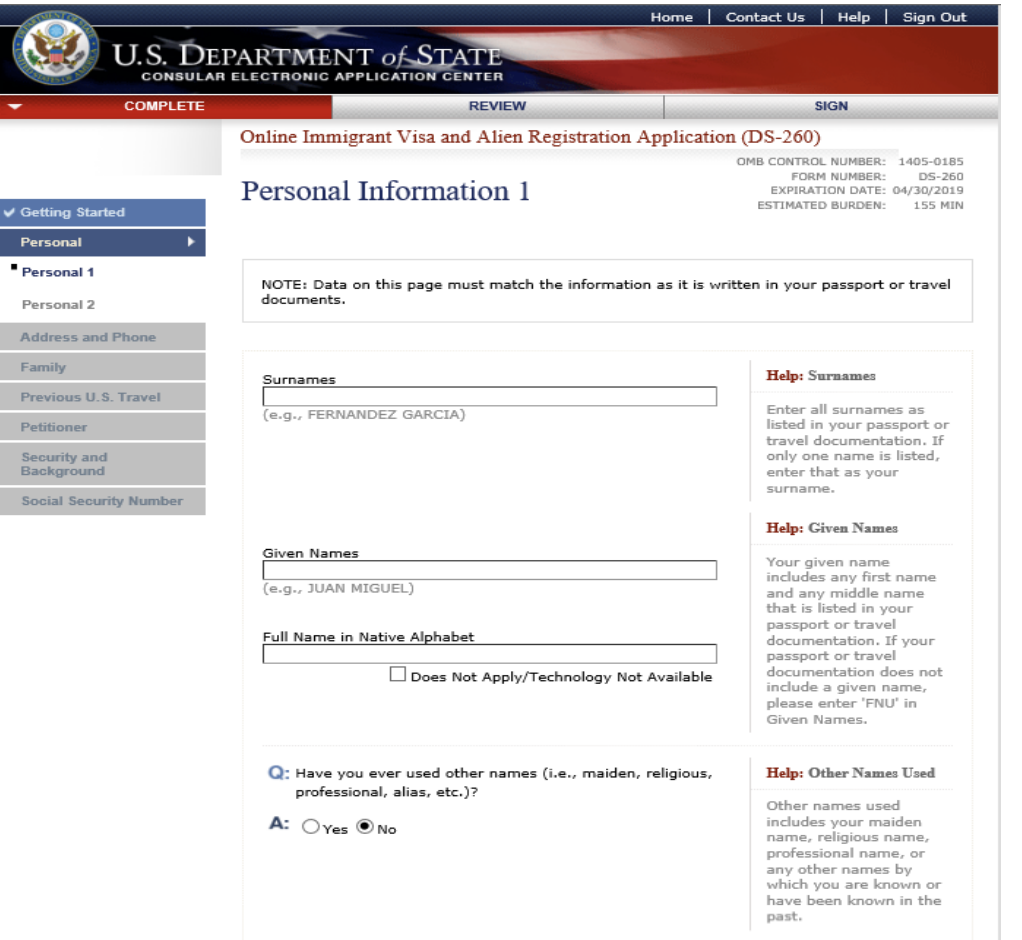
Before even starting your DS260, it’s essential to understand what it is and why it matters. The DS260 is the U.S. Department of State’s online Immigrant Visa Application. It collects detailed information about your background, family, education, and employment history. It’s used by the National Visa Center (NVC) and the U.S. consulate to assess your eligibility.
Many applicants mistakenly treat the DS260 like a casual form or think they can fill it out without professional help. That’s a big mistake. The answers you provide will be compared with your other immigration documents and are legally binding.
If you misstate facts or skip essential sections, it could result in a denial or even accusations of fraud — which can permanently affect your eligibility.
Submitting Before You’re Ready
It’s tempting to hit “Submit” as soon as you fill in the last field, especially if you’re eager to move your immigration case forward. But submitting your DS260 prematurely is a major red flag. Once submitted, you cannot edit the form online. Even minor errors, like incorrect travel history or a misspelled name, can become major issues later on.
Make sure you review every section of the DS260 at least twice. Print it out or save a PDF copy, and consider having a professional (like us at Syed Professional Services) double-check it for accuracy.
Inconsistent Information Across Documents
Your DS260 must align perfectly with your other immigration documents — your I-130 petition, birth certificate, marriage certificate, passports, and more. Inconsistencies are a major cause of delays.
Here’s an example: if your I-130 lists your address history differently than your DS260, the consulate officer might see that as a sign of dishonesty or confusion. Same goes for employment records or name spellings.
Before you file your DS260, cross-check all the data against other forms you’ve submitted. If there are legitimate changes or differences (such as recent job changes), be ready to explain them clearly at your visa interview.
Not Including All Prior Names or Aliases
The DS260 requires you to list any other names you’ve ever used — including nicknames, maiden names, or names from previous documents. Skipping this section or being “economical with the truth” can get you flagged for misrepresentation.
Many people think a small detail, like a different spelling or previous name, doesn’t matter. But U.S. immigration authorities are extremely thorough. Leaving out even a minor alias can delay your case or trigger a request for more documentation.
If you’re unsure whether a name counts, include it. Better to be transparent than risk a red flag later in the process.
Incorrect Information About Previous Travel to the U.S.
If you’ve ever visited or stayed in the U.S., your DS260 must list accurate details about those trips — including entry and exit dates, visa types, and whether you overstayed.
One of the most damaging mistakes is failing to disclose an overstay or immigration violation. Immigration officers have access to detailed border crossing data, so trying to “hide” a violation is never a good idea.
Disclose all past travel, even if it’s inconvenient or feels like it might hurt your case. In some cases, honesty about a past mistake — paired with the right waiver or legal explanation — is far better than omitting the truth.
Skipping the Social Media Section
In recent years, the DS-260 has added a section asking for all social media handles used over the last five years. Many applicants either leave this blank or try to pick and choose what to include.
That’s a serious error. If you’re found to have omitted a major account — especially one where you’ve posted content relevant to politics, immigration, or sensitive issues — your case may face delays or denial.
Be thorough. Include every social media platform you’ve used, even if you barely posted. Transparency is critical here.
Missing the Affidavit of Support Connection
While not technically part of the DS-260, your form is usually reviewed alongside your Affidavit of Support (Form I‑864). In family-based cases, this form proves your sponsor can financially support you.
Here’s the catch: if your DS-260 and I‑864 contain inconsistent information (like addresses, income data, or household members), it can cause delays or additional scrutiny.
At Syed Professional Services, we make sure both your DS-260 and I‑864 are aligned and error-free to avoid these headaches.
Using Guesswork for Employment or Address History
Many applicants struggle to remember exact employment or address dates. As a result, they “guess” or approximate their timeline on the DS-260 — big mistake.
Every entry should be as accurate as possible. Immigration officers will compare your DS-260 data with your previous visa applications, background checks, and other immigration records.
If there are gaps, unexplained inconsistencies, or clearly fabricated entries, your case could be denied or delayed.
Use pay stubs, lease agreements, or even social media photos to help reconstruct your timeline accurately. Don’t guess — document.
Failing to Save or Print Your Confirmation Page
After submitting your DS-260, you’ll receive a confirmation page with a barcode. This page is your proof of submission and must be brought to your visa interview. Without it, you could be turned away at the consulate.
It sounds like a no‑brainer, but many applicants forget to print or save this page — especially if they’re submitting from a public or shared computer.
We recommend saving multiple copies (PDF and print), and even emailing one to yourself as a backup.
Bonus: Why Professional Help with DS-260 Makes a Difference
The DS-260 is more than just a digital form — it’s a gateway to permanent residency. Even small mistakes can cause big problems, from administrative processing to visa denials.
At Syed Professional Services, we help you:
-
Review and complete your DS-260 accurately
-
Match it with your I‑130 or I‑140 petitions
-
Resolve inconsistencies with prior immigration filings
-
Guide you through affidavit of support requirements
-
Prepare you for your consular interview
Immigration law can be unforgiving. That’s why working with professionals who understand the process inside and out is worth every penny.
Frequently Asked Questions About DS-260
What is the DS-260 form?
The DS-260 is an online immigrant visa application required for individuals applying for a U.S. green card through a consular process. It’s submitted to the U.S. Department of State.
When should I file my DS-260?
You should file the DS-260 only after receiving instructions from the National Visa Center (NVC), which happens after USCIS approves your immigrant petition.
Can I edit the DS-260 after submitting it?
No, once the DS-260 is submitted, you cannot edit it online. However, you can bring updates or corrections to your visa interview.
How long does it take for DS-260 processing?
It depends on your visa category and consulate, but DS-260 processing typically takes 3 to 6 months, followed by scheduling a visa interview.
What documents do I need for DS-260?
You’ll need your passport, petition receipt number, case number, civil documents (like birth/marriage certificates), and sometimes previous visa information.
What happens after I submit DS-260?
After submitting your DS-260, you’ll upload supporting documents to the CEAC portal. The NVC will then review your file and schedule a visa interview.
Conclusion
Submitting your DS-260 may seem like a simple step — but it’s one of the most critical stages in your immigration journey. With high stakes involved, it’s important to avoid the common mistakes that delay or destroy thousands of visa applications every year.
At Syed Professional Services, we offer expert immigration and tax support designed to make your path to U.S. residency smoother and stress‑free. From DS-260 completion to interview prep, we’re with you every step of the way.
👉 Need help with your DS-260? Contact Syed Professional Services and ensure your application is in expert hands.

