

Blog Post: Everything You Need to Know About IRS Refunds: Process, Problems, and Solutions
If you’ve filed your taxes, the next big question on your mind is likely: “When will I get my IRS refund?” Tax season can be a stressful time, but getting your IRS refund is often the most anticipated moment of the year. Whether it’s for saving, paying off debts, or splurging on something special, understanding how your refund works and what to expect can help you manage your financial situation better. In this comprehensive guide, we will cover everything you need to know about IRS refunds—how to track them, what to do if there are issues, and how to get your refund faster.
What is an IRS Refund?
An IRS refund is the amount of money the Internal Revenue Service (IRS) owes you after you’ve overpaid your taxes during the year. Essentially, this happens when you’ve paid more in taxes than what was due based on your income, deductions, and tax credits. The IRS will return the excess money to you, either by direct deposit, check, or a prepaid debit card.
But it’s not always smooth sailing when it comes to receiving your IRS refund. There are several factors that could affect how long it takes, how much you receive, and whether you face any unexpected delays. Let’s dive into the process and some common challenges taxpayers face.
IRS Refund Process: Step-by-Step
-
Filing Your Tax Return
The first step to receiving an IRS refund is to file your tax return. You can file your taxes online or via mail. Most people file their returns using tax preparation software or work with a tax professional. The key is ensuring that you file your taxes accurately and on time. -
IRS Review
After you submit your tax return, the IRS will review it to ensure that the information is correct. This includes confirming your income, tax deductions, credits, and overall refund calculations. During this time, the IRS may request additional information if something looks off or if your return is flagged for review. -
Approval and Refund Issuance
If the IRS approves your return, you’ll typically receive your IRS refund within a few weeks. The method of receiving your refund depends on what you selected when you filed your taxes. If you chose direct deposit, the refund is generally issued faster. -
Refund Delays
If your refund is delayed, it could be due to several reasons, such as errors in your return, the need for additional verification, or high volumes of returns during peak periods like the beginning of tax season. Don’t worry if it takes a little longer to receive your IRS refund—it’s common, and you can always check the status online.
How to Track Your IRS Refund Status
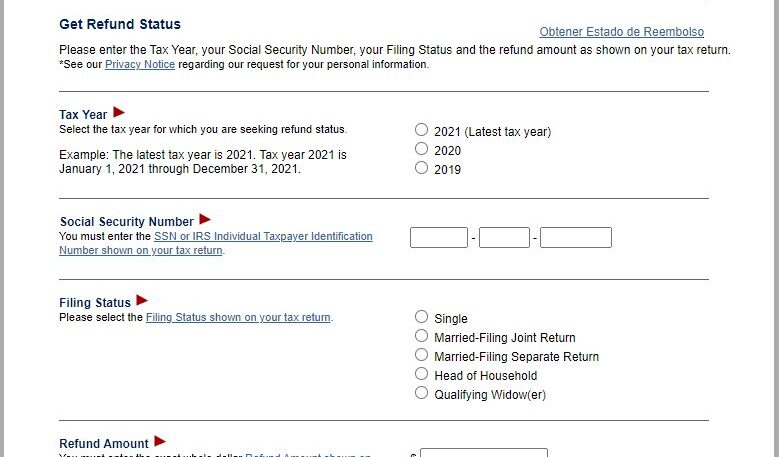
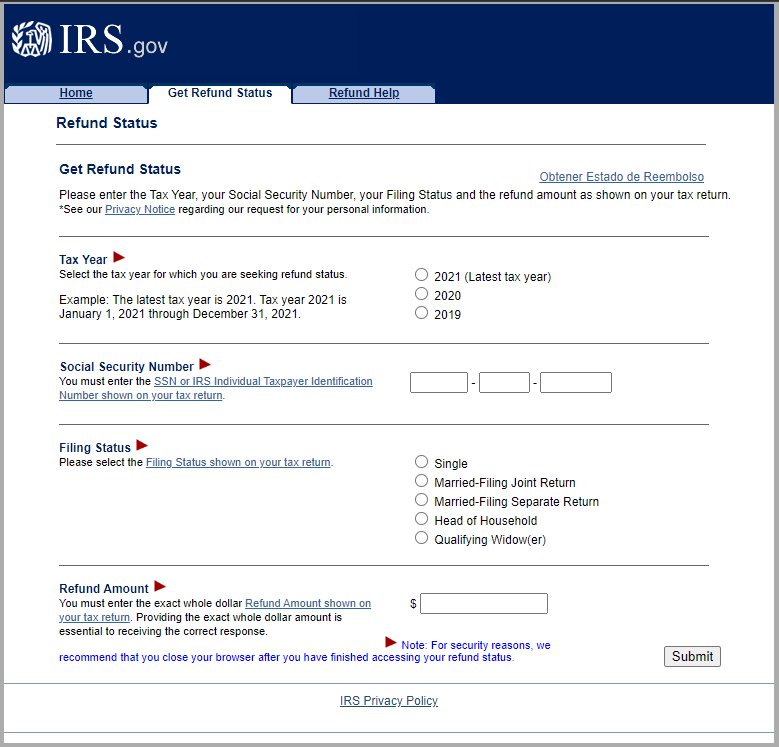
One of the most common questions we get at Syed Professional Services is “How can I track my IRS refund?” The IRS provides a tool called “Where’s My Refund?” which allows you to check the status of your refund in real-time. All you need is your Social Security number, filing status, and the exact refund amount. This tool is available 24/7, so you can check whenever you need an update on your IRS refund.
Pro Tip: Checking your IRS refund status frequently won’t speed up the process. The system is updated once every 24 hours, so there’s no need to check multiple times a day.
Common Issues That Cause IRS Refund Delays
While most taxpayers receive their IRS refunds without any issues, certain situations can cause delays. Here are a few common problems that may arise:
-
Errors in Your Return
If you make an error when filing your taxes, such as incorrect information about income or deductions, the IRS may delay your refund until they can resolve the discrepancy. -
Incorrect Bank Information
If you select direct deposit for your refund but provide the wrong bank account number, your IRS refund may be delayed or sent to the wrong account. -
Identity Theft
Unfortunately, identity theft is a growing concern. If the IRS suspects that your information has been compromised, they may delay your refund until they can verify your identity. -
Claiming the Earned Income Tax Credit or Additional Child Tax Credit
Taxpayers who claim these credits may experience a delay in receiving their IRS refund. The IRS is required by law to hold refunds for these claims until mid-February to help prevent fraud.
How to Get Your IRS Refund Faster
Everyone wants to get their IRS refund as quickly as possible, but how can you speed up the process? Here are some helpful tips:
-
File Early
Filing your taxes early is one of the best ways to get your IRS refund quickly. The earlier you file, the sooner your return will be processed, and you’ll receive your refund. -
Choose Direct Deposit
Choosing direct deposit is the fastest way to get your IRS refund. Paper checks can take weeks to arrive, but direct deposit typically only takes a few days. -
Double-Check Your Return
Ensure that your tax return is accurate before submitting it. Common errors like incorrect Social Security numbers or math mistakes can cause delays. Double-check everything, especially your bank account information if you’re expecting a direct deposit.
What to Do If Your IRS Refund is Delayed
If your IRS refund is delayed, don’t panic. In most cases, there’s a simple explanation. Here are a few steps you can take:
-
Check the Status
Use the “Where’s My Refund?” tool on the IRS website to check the status of your refund. This tool provides information about whether your refund has been approved, issued, or delayed. -
Contact the IRS
If it’s been several weeks since you filed your taxes and you haven’t received your refund, you can contact the IRS. Keep in mind that wait times can be long, especially during peak seasons, but speaking with a representative may help clarify the issue. -
Hire a Tax Professional
If your refund is delayed due to errors or complications, consider working with a tax professional to resolve the issue quickly. At Syed Professional Services, we specialize in tax and accounting services and can help you get your refund back without unnecessary delays.

Conclusion: Maximize Your IRS Refund
Your IRS refund is a great opportunity to boost your savings, pay off debt, or invest in something important. However, navigating the refund process can be complicated and confusing. With the right information and the right help, you can ensure that your IRS-refund is issued promptly and without issues.
If you’re facing challenges with your IRS-refund or need help filing your taxes accurately, Syed Professional Services is here for you. Our team of experienced tax professionals can help you file your taxes efficiently, track your IRS-refund, and resolve any issues that arise along the way.
Get in touch with us today, and we’ll guide you through the entire process. We’re committed to making your tax experience smooth, easy, and stress-free!
