

7 Powerful Facts About IRS Refund Status That Can Save You From Costly Delays
When taxpayers file a return, one of the first questions they ask is about irs refund status. That makes sense. A refund often affects monthly budgeting, debt payments, savings goals, and even immigration-related paperwork when financial records matter. The good news is that checking irs refund status is easier than many people think. The not-so-good news is that delays can still happen, especially when a return has errors, needs review, or includes certain credits.
The IRS says taxpayers can generally check refund status within 24 hours after e-filing a current-year return, about 3 days after e-filing a prior-year return, or about 4 weeks after mailing a paper return. The IRS also states that most refunds are issued in fewer than 21 days, though some take longer because of manual review, fraud screening, banking delays, or missing information.
For anyone searching for dependable answers about irs refund status, the key is understanding what the tracker shows, what can slow things down, and when it is time to take action. This guide explains the process in plain language so your readers can avoid confusion, reduce mistakes, and stay one step ahead.
IRS Refund Status: What It Means and How the Process Works
The phrase irs refund status refers to the stage of processing for a federal tax refund after a return has been filed. The official IRS “Where’s My Refund?” tool displays three main stages: Return Received, Refund Approved, and Refund Sent. Once a return moves through these stages, taxpayers get a clearer picture of where they stand and when money may arrive.
This matters because many people assume filing a return automatically means a refund is on the way within days. In reality, irs refund status depends on how the return was filed, whether the return is complete, whether the IRS flagged anything for review, and how the taxpayer chose to receive the refund. E-filed returns with direct deposit usually move fastest, while mailed paper returns take longer. The IRS currently says e-filed Form 1040 returns are generally processed within 21 days, while mailed returns can take 6 weeks or more depending on workload and special handling.
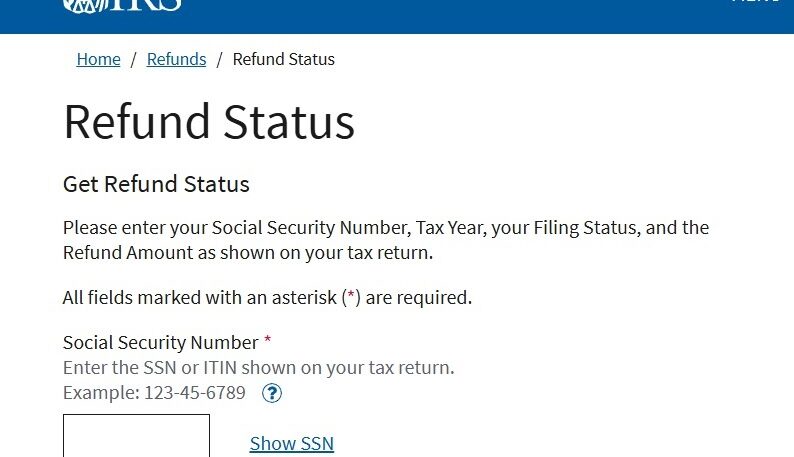
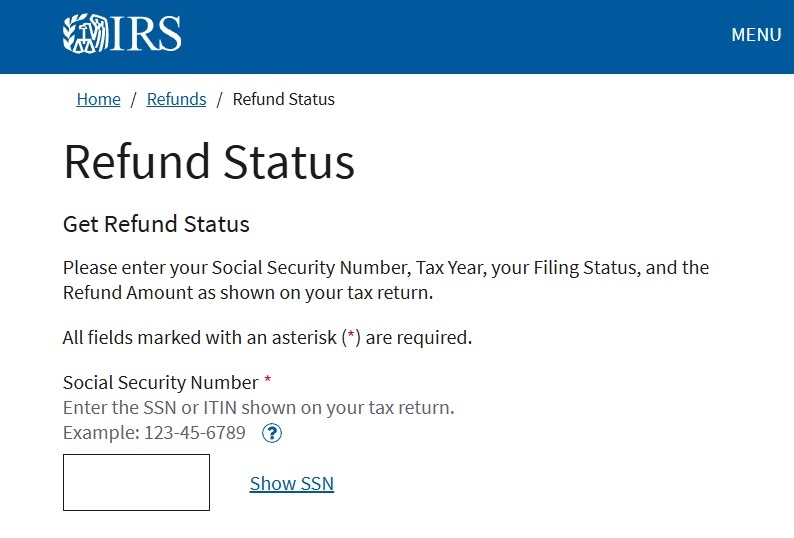
To check irs refund status, a taxpayer generally needs three details from the filed return: Social Security number or ITIN, filing status, and the exact whole-dollar refund amount. That last part trips people up more often than you’d expect. Even a small mismatch can prevent access to the tracker. The IRS also provides refund tracking through the IRS2Go app, which offers similar functionality for taxpayers who prefer mobile access.
Another important point is that irs refund status for an original return is not the same as the status of an amended return. If someone filed Form 1040-X, they need to use “Where’s My Amended Return?” instead of the main refund tracker. That distinction can save readers from unnecessary stress and repeated login attempts.
For your readers, the takeaway is simple: irs refund status is not just a yes-or-no answer. It is a processing snapshot. Understanding those stages helps taxpayers know whether patience is appropriate or whether a problem may be developing behind the scenes.
When IRS Refund Status Updates and How Long Refunds Usually Take
One of the biggest misconceptions about irs refund status is that it updates instantly. It does not. The IRS says refund information becomes available about 24 hours after e-filing a current-year return, 3 days after e-filing a prior-year return, and about 4 weeks after mailing a paper return. That means checking too early can lead to frustration even when nothing is wrong.
Most taxpayers want to know the expected timeline. According to the IRS, most refunds are issued in fewer than 21 days, especially for electronically filed returns with direct deposit. Still, that is not a guarantee. Some returns take longer because they require error correction, identity verification, or additional review. The IRS specifically warns taxpayers not to rely on receiving a refund by a certain date for major expenses.
There are also special timing rules for taxpayers claiming the Earned Income Tax Credit or the Additional Child Tax Credit. Under the law, the IRS generally cannot issue those refunds before mid-February. For the 2026 filing season, the IRS stated that “Where’s My Refund?” should show an updated status by February 21 for most early EITC and ACTC filers, and many may receive refunds by March 2 if they filed online, chose direct deposit, and had no issues.
Bank timing matters too. Even after irs refund status changes to “Refund Sent,” the money may not appear immediately in a bank account. Financial institutions often do not process transactions on weekends, holidays, or at the same speed. That delay is outside the IRS tracker itself, but it still affects when taxpayers actually see funds.
For readers monitoring irs refund status, the smartest approach is practical, not emotional. Check at the right time, use the exact refund amount from the return, and understand that a short delay does not always signal trouble. Quite often, the system is simply moving through normal processing stages.
The Most Common Reasons IRS Refund Status Gets Delayed
Let’s be honest: this is where anxiety kicks in. A taxpayer sees no movement in irs refund status, starts refreshing the page over and over, and immediately assumes the worst. But several common issues can slow a refund without meaning disaster.
The IRS says delays often happen when a return includes errors, is incomplete, or needs additional review. Identity theft filters and fraud prevention systems can also pause processing. That is frustrating, sure, but those reviews exist to protect taxpayers as well as the tax system.
One of the biggest causes of delay is simple data mismatch. A wrong Social Security number, an incorrect direct deposit account number, or a refund amount that does not match IRS records can all interrupt the process. Another frequent problem is paper filing. While some people still prefer mailing returns, paper filings move more slowly and are more likely to face processing backlogs. The IRS says it is currently processing paper returns received during specific recent months, showing clearly that mailed returns remain behind electronic filings.
Tax credits can also affect irs refund status. Returns claiming EITC or ACTC often require extra review, and those refunds face statutory timing restrictions. Amended returns are another separate category entirely, and taxpayers using the wrong tracking tool may think their refund is delayed when they are simply checking the wrong system.
Sometimes, the issue has nothing to do with the return itself. A refund check may be lost, stolen, or destroyed after mailing. The IRS notes that taxpayers can generally file an online claim for a replacement check if more than 28 days have passed since the check was mailed.
Here is a quick summary your readers will appreciate:
Common Issue How It Affects IRS Refund Status
Math or entry errors May trigger manual review
Missing information Slows processing
Identity verification or fraud screening Can place return under extra review
EITC or ACTC claims May delay release until allowed by law
Paper filing Usually slower than e-file
Banking or mailing issues Refund may be sent but not yet received
For families, students, self-employed workers, and immigrants filing for the first time, knowing these triggers can reduce panic. A delayed irs refund status is not always bad news. Often, it is simply a sign that something needs extra time or correction.
How to Check IRS Refund Status the Right Way
The best way to check irs refund status is through the official IRS refund tracker on IRS.gov or the IRS2Go mobile app. Those are the primary tools recommended by the IRS, and they are much more reliable than third-party speculation or social media rumors.
Before checking, gather the exact information from the filed tax return. Taxpayers usually need:
Social Security number or ITIN
Filing status
Exact whole-dollar refund amount
Entering the wrong figure, even by one dollar, can cause the tracker to reject the request. That is why accuracy matters. For many people, the easiest fix is simply going back to the filed return and double-checking the amount entered.
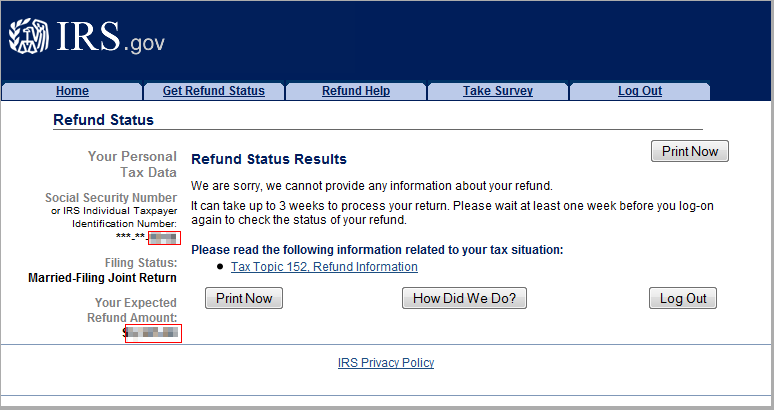
It also helps to know what the messages mean. If irs refund status says Return Received, the IRS has the return and is processing it. If it says Refund Approved, the refund amount has been approved and a payment date should follow. If it says Refund Sent, the IRS has issued the refund, but the bank or mail system may still need time to deliver it.
Readers should avoid calling the IRS too early. In many cases, the online tools provide the same or better information without long hold times. The IRS has repeatedly encouraged taxpayers to use online tools first for faster support.
A smart internal link for your future site structure could be a service page about tax preparation or IRS notices. An external authoritative reference can point readers to the official IRS refund page at the IRS website, which remains the best source for direct updates.
For a professional services firm like yours, this is a great place to reinforce trust: when irs refund status becomes confusing, experienced tax support can help clients identify whether the issue is timing, an error, a credit-related hold, or a deeper compliance concern.
What to Do If IRS Refund Status Is Taking Too Long
If irs refund status has not changed for longer than expected, the first step is not panic. The first step is checking the filing method, the date filed, and whether the return included credits or corrections that commonly cause delays.
If the return was e-filed less than 21 days ago, many taxpayers still fall within normal processing. If it was mailed, several weeks of waiting may still be standard. The IRS says paper returns generally take longer and can require 6 weeks or more.
If the status remains unchanged beyond normal timeframes, taxpayers should review whether they received an IRS notice or request for identity verification. Returns affected by identity theft, fraud screening, or missing information may not move until the taxpayer responds. The Taxpayer Advocate Service also notes that some refunds are held or stopped for additional review, even though most are issued within 21 calendar days.
Here are sensible next steps when irs refund status appears stalled:
Situation Recommended Action
E-filed and under 21 days Keep monitoring the tracker
Paper-filed and under 6 weeks Wait and continue checking
Claimed EITC or ACTC Expect legal timing delays
Received IRS letter Respond promptly and accurately
Refund marked sent but not received Check bank timing or mailed check status
Check lost or stolen Follow IRS replacement claim guidance
This is where a professional advisor can add real value. Many taxpayers waste time guessing, while an experienced preparer can identify warning signs quickly. For example, if a client’s irs refund status is delayed because of a filing inconsistency, a tax professional may help interpret notices, verify documentation, and reduce additional delays.
For immigration-focused clients, timely tax compliance matters beyond the refund itself. Clean, accurate returns may support broader financial records used in applications, renewals, or sponsorship documentation. That makes a delayed irs refund status more than just a cash-flow issue. It can become part of a larger paperwork problem if ignored.
Why Accuracy Matters More Than Speed
Everyone wants fast refunds. But speed without accuracy can backfire. The IRS repeatedly notes that errors, incomplete returns, and issues requiring special handling are major reasons refunds take longer.
That is why the smartest long-term strategy for irs refund status starts before a return is even filed. Taxpayers should verify names, Social Security numbers, ITINs, income documents, withholding amounts, and bank account details. They should also keep copies of the filed return and supporting records. Those habits sound basic, but wow, they prevent a remarkable number of refund headaches.
Accuracy also helps protect taxpayers from scams. People worried about irs refund status are prime targets for phishing emails, text messages, and fake websites pretending to offer updates. The safest path is always the official IRS website or IRS2Go app.
For your audience, the message is reassuring: a refund delay does not always mean a serious problem, but careful filing dramatically improves the odds of smooth processing. In tax matters, getting it right the first time is often the fastest route of all.
FAQs About IRS Refund Status
How soon can I check irs refund status?
The IRS says taxpayers can usually check irs refund status 24 hours after e-filing a current-year return, about 3 days after e-filing a prior-year return, or about 4 weeks after mailing a paper return.
How long does irs refund status usually take to update?
It varies. Most refunds are issued in fewer than 21 days, but some returns need additional review and take longer.
Why is my irs refund status still saying return received?
That usually means the IRS has your return and is still processing it. Delays can happen due to errors, identity checks, credits, or paper filing.
Can I check irs refund status for an amended return?
No. Amended returns are tracked through “Where’s My Amended Return?” not the standard refund tool.
What information do I need to check irs refund status?
You generally need your Social Security number or ITIN, filing status, and exact whole-dollar refund amount.
Does claiming EITC or ACTC affect irs refund status?
Yes. Refunds involving EITC or ACTC are often delayed by law until after mid-February, and some early filers may not receive funds until later.
What should I do if irs refund status says refund sent but I do not have the money?
First check with your bank, since processing times vary. If a mailed check is involved and enough time has passed, the IRS may allow a replacement claim.
Conclusion
Understanding irs refund status can save taxpayers time, worry, and costly mistakes. The process is straightforward once people know when to check, what the tracker messages mean, and why delays happen. Most refunds still move within normal timelines, especially for e-filed returns with direct deposit, but some require extra review.
For readers of Syed Professional Services, the bottom line is clear: use official IRS tools, file accurately, respond quickly to any notices, and get professional help when the situation becomes unclear. A little guidance can go a long way when irs refund status is stuck, confusing, or unexpectedly delayed.

