

Introduction
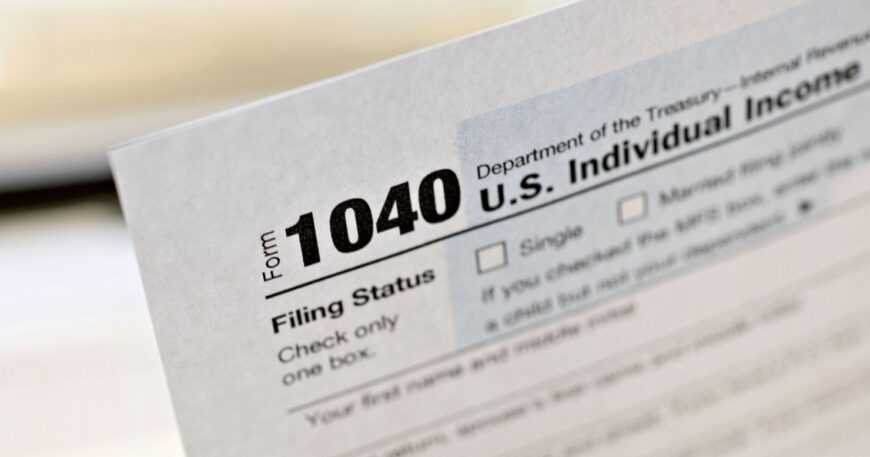
Filing an IRS tax return can feel overwhelming, especially with constantly changing rules and regulations. Millions of taxpayers each year face mistakes that could cost them significant refunds or even trigger audits. At Syed Professional Services, we specialize in helping individuals and businesses navigate the IRS tax system efficiently and safely. In this guide, we’ll explore critical strategies to ensure your IRS tax return is accurate, timely, and optimized for the best outcome.
Whether you’re filing for the first time or are a seasoned taxpayer, understanding the nuances of IRS tax returns is crucial. From identifying deductible expenses to avoiding common errors, this post will serve as your comprehensive roadmap.
Understanding IRS Tax Return Basics
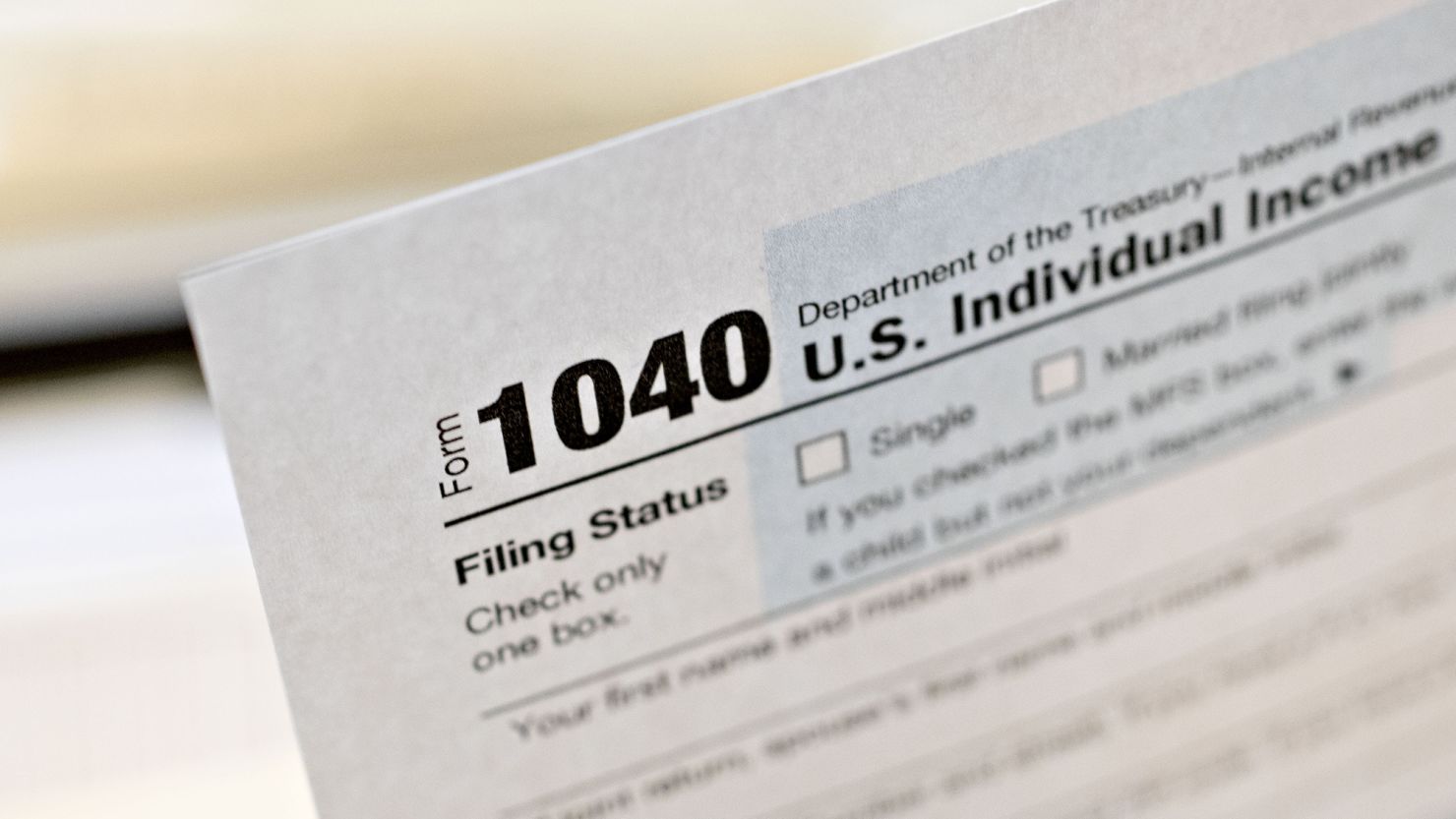
Filing an IRS tax return is more than just submitting your income details. It involves documenting your earnings, deductions, and credits accurately to comply with federal law. The IRS uses these returns to calculate how much tax you owe or what refund you may receive.
Key Components of an IRS Tax Return
- Personal Information: Names, Social Security numbers, and filing status.
- Income Reporting: W-2s, 1099s, and other sources of income.
- Deductions and Credits: Education credits, mortgage interest, and charitable donations.
- Payments: Withholding and estimated tax payments.
Failing to report any of these accurately can result in penalties, delayed refunds, or audits. That’s why professional guidance from a team like Syed Professional Services is invaluable.
Top 10 IRS Tax Return Mistakes to Avoid
Filing your IRS tax return might seem straightforward, but small errors can have huge consequences. Here are the top mistakes that taxpayers make:
- Incorrect Social Security Numbers
- Mismatched Names and IDs
- Filing with the Wrong Status
- Forgetting Income Sources
- Misreporting Deductions
- Skipping Tax Credits
- Late Filing
- Math Errors
- Overlooking Electronic Filing Benefits
- Neglecting State Tax Returns
Each mistake can delay your refund, increase your tax liability, or even trigger an audit.
Maximizing Your IRS Tax Return Refund
To get the most from your IRS tax return, it’s essential to focus on legal strategies that maximize refunds.
Deductions to Consider
- Medical expenses
- Mortgage interest
- Charitable donations
- Education costs
Credits That Could Increase Your Refund
- Child Tax Credit
- Earned Income Tax Credit
- Energy-efficient home improvements
Using these correctly could increase your refund substantially. Syed Professional Services ensures that no eligible deduction or credit is missed, so your IRS tax return works for you.
Filing Strategies for Businesses and Freelancers
Small business owners and freelancers face unique challenges when filing an IRS tax return.
Important Tips:
- Keep accurate records of income and expenses.
- Separate personal and business finances.
- Consider quarterly estimated taxes to avoid penalties.
- Understand business deductions such as home office, travel, and supplies.
Failing to follow these can lead to underpayment penalties or IRS audits. Our team can guide you to file efficiently, ensuring your IRS tax return is accurate and compliant.
Electronic Filing vs. Paper Filing
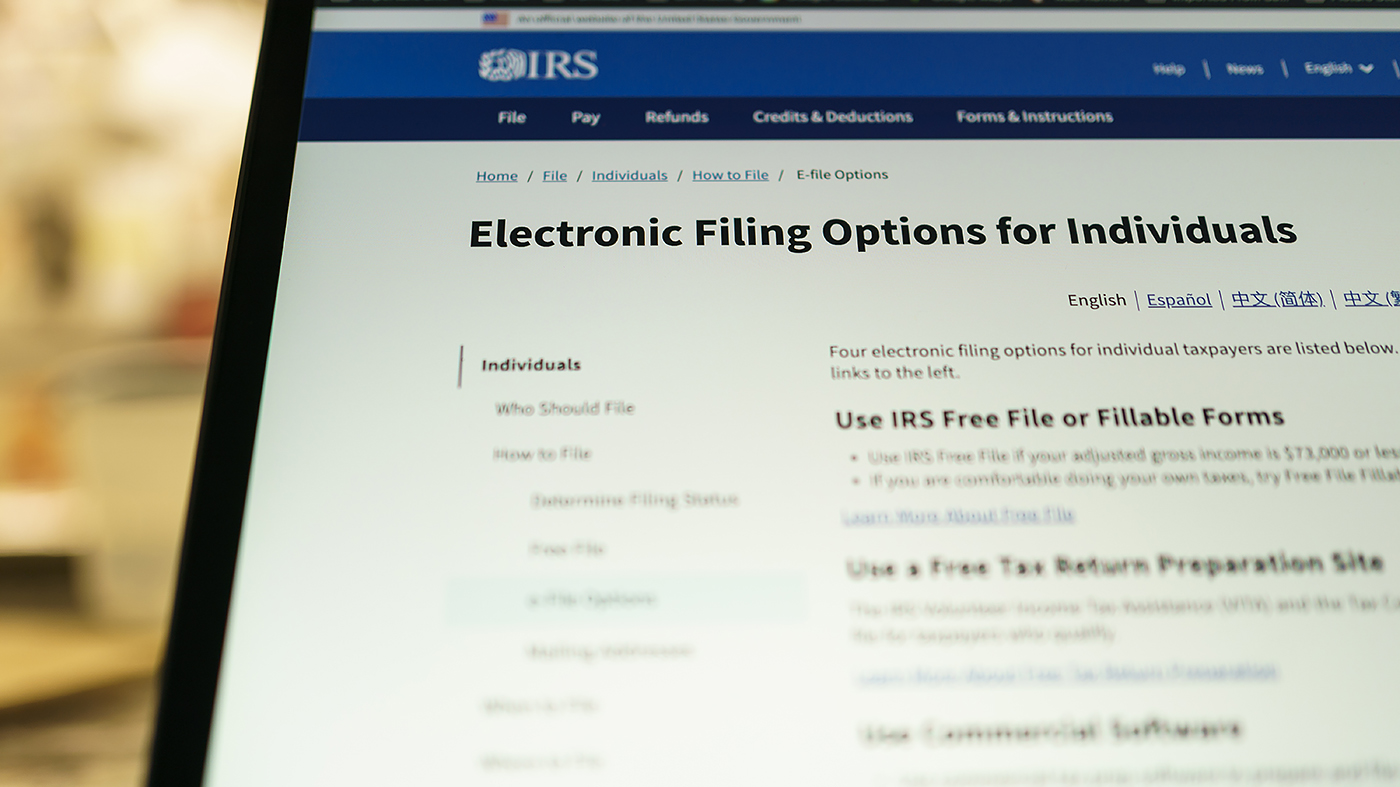
Modern taxpayers have the option to file electronically or via paper forms. Each has pros and cons:
Electronic Filing Benefits:
- Faster processing and refunds
- Reduced errors with automated calculations
- Immediate confirmation of receipt
Paper Filing Drawbacks:
- Slower processing times
- Higher risk of errors
- Delays in refunds
Most taxpayers today prefer electronic filing for a secure, efficient process. At Syed Professional Services, we make electronic filing simple and stress-free.
Avoiding IRS Audits
An incorrect or incomplete IRS tax return increases the risk of an audit. Here are some red flags to avoid:
- Large deductions disproportionate to income
- Failure to report all income
- Claiming excessive business expenses
- Ignoring prior IRS correspondence
Proper documentation and professional guidance can drastically reduce your audit risk. We help ensure your IRS tax return is accurate and fully compliant.
FAQs About IRS Tax Return
How long does it take to get an IRS tax-return refund?
Refunds usually take 21 days if filed electronically, but paper returns may take 6–8 weeks.
What is the penalty for filing an IRS tax-return late?
Late filing can incur a 5% monthly penalty on unpaid taxes, up to 25%.
Can I amend an IRS tax-return?
Yes, by filing Form 1040-X within three years of the original filing date.
Do I need to report all my income?
Yes, failing to report any income can trigger penalties or audits.
Is it better to hire a professional for my IRS tax-return?
Absolutely, professional help minimizes mistakes and ensures maximum refunds.
What documents are required to file an IRS tax-return?
W-2s, 1099s, receipts for deductions, and prior-year tax returns.
Conclusion
Filing an IRS tax-return doesn’t have to be stressful or confusing. By understanding the basics, avoiding common mistakes, and leveraging deductions and credits, you can secure the maximum refund and stay compliant with IRS rules.
At Syed Professional Services, we provide professional guidance for individuals, freelancers, and businesses to file accurately and efficiently. Avoid costly errors, maximize your refund, and ensure peace of mind with our expert support.
Don’t risk making a simple mistake—contact us today to file your IRS tax-return the right way.
