

10 Powerful Tax Brackets 2026 Strategies to Maximize Your Savings and Avoid Costly Tax Mistakes
Understanding tax brackets 2026 is essential for effective financial planning. Whether you’re an employee, self-employed professional, retiree, investor, or business owner, knowing how federal income tax brackets work can help you estimate your tax liability, identify planning opportunities, and avoid costly mistakes during tax season.
Many taxpayers mistakenly believe that moving into a higher tax bracket means all of their income is taxed at the higher rate. In reality, the United States uses a progressive federal income tax system, meaning only the portion of your taxable income that falls within each bracket is taxed at that rate. Understanding tax brackets 2026 allows taxpayers to make informed decisions regarding retirement contributions, capital gains, charitable giving, estimated tax payments, and year-end financial planning.
This comprehensive guide explains everything you need to know about tax brackets 2026, including how tax brackets work, filing statuses, deductions, tax credits, planning strategies, common mistakes, and when professional tax guidance can help maximize your savings.
What Are Tax Brackets 2026?
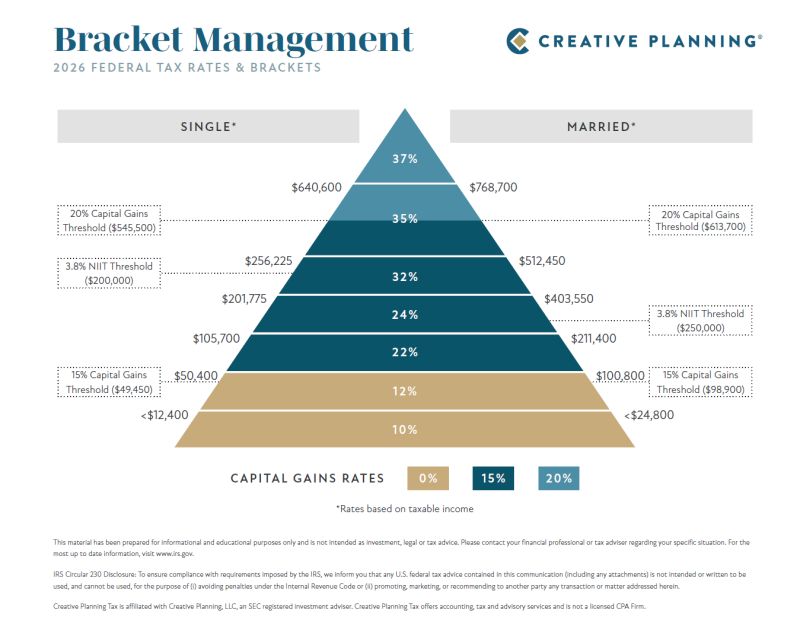
Tax brackets 2026 refer to the federal income tax ranges established by the Internal Revenue Service (IRS) that determine how much federal income tax you owe based on your taxable income and filing status.
The U.S. federal income tax system uses marginal tax rates, meaning different portions of your income are taxed at different rates rather than one single rate applying to your entire income.
Although the IRS generally adjusts tax brackets annually for inflation, taxpayers should review the official IRS guidance for the applicable tax year before preparing returns or making significant financial decisions.
How Federal Tax Brackets Work
Understanding tax brackets 2026 begins with understanding marginal taxation.
For example, if your taxable income moves into a higher bracket, only the income within that bracket is taxed at the higher rate—not your entire income.
Factors affecting your tax bracket include:
- Filing status
- Taxable income
- Standard or itemized deductions
- Retirement contributions
- Qualified business income deductions
- Capital gains
- Tax credits
Proper tax planning can help manage taxable income and potentially reduce your effective tax rate.
Filing Status and Tax Brackets 2026
Your filing status significantly impacts your applicable tax brackets 2026.
Common filing statuses include:
- Single
- Married Filing Jointly
- Married Filing Separately
- Head of Household
- Qualifying Surviving Spouse
Each filing status has its own income thresholds and tax rates, making accurate filing status selection an important part of tax planning.
Tax Planning Strategies
Understanding tax brackets 2026 creates opportunities to reduce taxable income through legal tax planning strategies.
These may include:
Maximize Retirement Contributions
Contributing to eligible retirement accounts may reduce taxable income.
Utilize Health Savings Accounts (HSAs)
Eligible HSA contributions can provide valuable tax advantages.
Harvest Capital Losses
Strategic investment planning may offset taxable capital gains.
Time Income and Deductions
Careful planning around year-end income and deductible expenses may improve overall tax outcomes.
Claim Available Tax Credits
Tax credits directly reduce tax liability and may provide greater savings than deductions.
Professional guidance can help identify strategies appropriate for your financial situation.
Common Tax Filing Mistakes
Many taxpayers make avoidable errors when planning around tax brackets 2026.
Common mistakes include:
- Misunderstanding marginal tax rates
- Choosing the wrong filing status
- Missing available deductions
- Overlooking tax credits
- Waiting until tax season to plan
- Failing to make estimated tax payments
- Poor recordkeeping
- Ignoring retirement planning opportunities
Year-round planning is often more effective than last-minute tax preparation.
When to Work with a Tax Professional
While many taxpayers prepare simple returns independently, professional tax assistance may be beneficial if you:
- Own a business
- Are self-employed
- Have investment income
- Own rental property
- Have foreign income or assets
- Need immigration-related tax guidance
- Experience major life changes
- Want proactive tax planning
Experienced tax professionals can help ensure compliance while identifying valuable tax-saving opportunities.
Why Choose Syed Professional Services?
At Syed Professional Services, we provide comprehensive tax preparation, accounting, bookkeeping, payroll, and immigration-related tax services for individuals, families, and businesses. Our experienced professionals stay informed about changing federal tax laws and help clients develop personalized tax strategies designed to minimize liability while maintaining compliance.
Whether you need assistance understanding tax brackets 2026, preparing your annual tax return, or planning for future financial goals, our team is committed to providing accurate, professional, and personalized service.
Frequently Asked Questions
What are tax brackets 2026?
Tax brackets 2026 are the federal income tax ranges used to calculate income tax based on taxable income and filing status for the applicable tax year.
Does moving into a higher tax bracket mean all income is taxed at the higher rate?
No. The federal income tax system uses marginal tax rates, so only the portion of income within each bracket is taxed at that rate.
Can tax planning reduce my tax liability?
Yes. Retirement contributions, tax credits, deductions, and year-end planning may reduce taxable income or tax liability, depending on your circumstances.
Are tax brackets adjusted every year?
The IRS generally adjusts federal income tax brackets annually to account for inflation.
Should I rely on estimated tax bracket information?
Taxpayers should always confirm current IRS guidance before filing returns or making important financial decisions.
How can Syed Professional Services help?
Syed Professional Services offers tax preparation, accounting, bookkeeping, payroll, and tax planning services to help individuals and businesses remain compliant while maximizing available tax benefits.
Conclusion
Understanding tax brackets 2026 is one of the most important steps toward making informed financial decisions. By learning how marginal tax rates work, selecting the correct filing status, maximizing deductions, and planning throughout the year, taxpayers can improve tax efficiency and avoid unnecessary liabilities.
For individuals and businesses seeking personalized guidance, Syed Professional Services provides experienced tax, accounting, and advisory services designed to simplify tax compliance and support long-term financial success.

