

9 Powerful Tax Refund Estimator Secrets That Can Help You Avoid Costly Filing Mistakes
Every tax season, millions of individuals and families anxiously wait to learn whether they will receive a refund or owe money to the IRS. While some taxpayers rely on guesswork, smart financial planning begins with using a reliable tax refund estimator. This powerful tool can help taxpayers predict refund amounts, avoid filing surprises, improve withholding accuracy, and make informed financial decisions before submitting their returns.
Whether you are an employee, self-employed professional, small business owner, freelancer, immigrant worker, or independent contractor, understanding how a tax refund estimator works can significantly improve your tax preparation process. It helps taxpayers evaluate deductions, credits, income changes, and withholding adjustments well before tax deadlines arrive.
For many households, tax refunds represent a major financial opportunity. Families may use refunds to pay debts, cover tuition, build emergency savings, or invest in future goals. However, inaccurate tax calculations can lead to delayed refunds, IRS notices, or unexpected tax liabilities. That’s why using a dependable tax refund estimator has become increasingly important in today’s complex tax environment.
In this comprehensive guide, we’ll explain how a tax refund estimator works, the benefits it offers, common mistakes taxpayers make, tax credits that affect refunds, planning strategies, immigration-related tax considerations, and best practices for maximizing refund accuracy.
What Is a Tax Refund Estimator and Why Does It Matter?
A tax refund estimator is a financial tool that helps taxpayers calculate an estimated federal or state tax refund based on income, deductions, tax credits, filing status, and withholding information.
Rather than waiting until tax season to discover the outcome of a return, taxpayers can use a tax refund estimator throughout the year to make smarter financial decisions.
These tools are especially useful for:
- Employees with W-2 income
- Self-employed individuals
- Independent contractors
- Gig economy workers
- Families with dependents
- College students
- Immigrants and visa holders
- Retirees
A quality tax refund estimator analyzes important tax information such as:
| Tax Factor | Impact on Refund |
|---|---|
| Income Level | Determines tax bracket |
| Withholding Amount | Affects refund balance |
| Tax Credits | Increases refund potential |
| Deductions | Lowers taxable income |
| Filing Status | Changes tax calculation |
| Dependents | May qualify for credits |
Many taxpayers mistakenly assume large refunds are always positive. In reality, receiving a huge refund may indicate excessive tax withholding during the year. A properly used tax refund estimator helps taxpayers balance withholding more effectively.
Another reason this tool matters is financial planning. Knowing an estimated refund amount can help households budget more accurately and avoid unexpected tax bills.
Immigrants, nonresident taxpayers, and mixed-status families also benefit from using a tax refund estimator because tax filing rules can vary significantly based on immigration and residency status.
By understanding tax obligations early, taxpayers can avoid penalties, maximize credits, and improve overall financial stability.
How a Tax Refund Estimator Works
A tax refund estimator calculates estimated refunds by analyzing financial and tax-related data entered by the taxpayer.
Most estimators request information such as:
- Annual income
- Filing status
- Number of dependents
- Tax withheld from paychecks
- Business income
- Retirement income
- Education expenses
- Childcare expenses
- Mortgage interest
- Charitable donations
Once the data is entered, the tax refund estimator applies current tax brackets, deductions, and credits to estimate the taxpayer’s expected refund or tax balance.
For example, employees who have too much federal tax withheld from paychecks often receive larger refunds. On the other hand, freelancers and independent contractors may owe taxes if they fail to make estimated quarterly payments.
A reliable tax refund estimator can also help taxpayers:
- Adjust W-4 withholding forms
- Plan estimated tax payments
- Forecast future refunds
- Evaluate tax-saving opportunities
- Reduce filing errors
One important feature of many modern estimators is scenario planning. Taxpayers can compare different situations to determine how life changes may impact refunds.
Examples include:
- Marriage or divorce
- Having children
- Starting a business
- Purchasing a home
- Changing jobs
- Immigration status changes
- Retirement planning
Using a tax refund estimator throughout the year allows taxpayers to make proactive decisions instead of reacting at filing time.
Common Mistakes People Make When Using a Tax Refund Estimator
Although a tax refund estimator is a valuable planning tool, many taxpayers still make avoidable mistakes that reduce accuracy.
Entering Incorrect Income Information
One of the most common issues is estimating income incorrectly. Missing freelance income, bonuses, or side jobs can create inaccurate refund projections.
Forgetting Tax Credits
Tax credits significantly impact refund amounts. Many taxpayers forget to include valuable credits such as:
- Child Tax Credit
- Earned Income Tax Credit
- Education Credits
- Childcare Credits
Ignoring Self-Employment Taxes
Freelancers and business owners sometimes overlook self-employment taxes when using a tax refund estimator, leading to unexpected tax liabilities.
Choosing the Wrong Filing Status
Selecting the wrong filing status can dramatically change tax calculations. Filing statuses include:
| Filing Status | Description |
|---|---|
| Single | Unmarried taxpayers |
| Married Filing Jointly | Married couples filing together |
| Married Filing Separately | Separate returns for spouses |
| Head of Household | Qualified individuals supporting dependents |
Overlooking State Taxes
Some taxpayers only estimate federal refunds while forgetting state tax obligations.
Failing to Update Estimates
Tax situations change throughout the year. Taxpayers should regularly update their tax refund estimator information after income or life changes occur.
By avoiding these mistakes, taxpayers can improve estimate accuracy and reduce filing stress.
Tax Credits That Increase Refund Amounts
One of the biggest advantages of using a tax refund estimator is identifying valuable tax credits that may increase refund amounts.
Child Tax Credit
Families with qualifying children may receive significant tax benefits through this credit.
Earned Income Tax Credit (EITC)
Low- and moderate-income workers often qualify for substantial refunds through the EITC program.
American Opportunity Tax Credit
College students and families paying educational expenses may benefit from education-related credits.
Child and Dependent Care Credit
Taxpayers paying childcare expenses may qualify for additional savings.
Saver’s Credit
Retirement contributions may qualify eligible taxpayers for tax credits.
A reliable tax refund estimator helps determine eligibility for these programs based on income and filing status.
Immigrant families should also understand Individual Taxpayer Identification Number (ITIN) rules and dependent eligibility requirements when estimating refunds.
Many taxpayers miss out on credits simply because they fail to explore all available options during tax preparation.
Why Accurate Tax Planning Is Important
Using a tax refund estimator is not only about predicting refunds — it’s also about smarter financial planning.
Accurate tax planning helps taxpayers:
- Avoid IRS penalties
- Reduce surprise tax bills
- Improve monthly budgeting
- Increase retirement savings
- Plan major purchases
- Manage self-employment taxes
Employees can use a tax refund estimator to determine whether paycheck withholding adjustments are necessary. Adjusting withholding properly may increase take-home pay throughout the year.
Business owners and freelancers benefit from estimating quarterly tax obligations more accurately. Failing to plan for taxes can create severe financial stress during filing season.
Tax planning also helps immigrants and visa holders navigate changing tax responsibilities related to residency status, employment authorization, and international income reporting.
When taxpayers use a tax-refund estimator proactively, they gain greater financial control and reduce uncertainty during tax season.
Immigration and Tax-Refund Estimator Considerations
For immigrant families and international workers, tax filing rules can be more complex. A tax-refund estimator helps simplify planning while identifying potential tax obligations.
Important immigration-related tax considerations include:
ITIN Filings
Some taxpayers without Social Security numbers file taxes using ITINs.
Residency Status
Tax obligations may differ for:
- Resident aliens
- Nonresident aliens
- Visa holders
- Green card holders
Foreign Income Reporting
International income and foreign bank accounts may require additional reporting.
Treaty Benefits
Certain visa holders may qualify for tax treaty exemptions.
Dependent Eligibility
Immigration status may impact eligibility for certain tax credits.
Using a professional tax advisor alongside a tax-refund estimator can help immigrant taxpayers avoid compliance mistakes and maximize eligible refunds.
How Technology Improves Tax-Refund Estimator Accuracy
Modern technology has dramatically improved the accuracy and accessibility of the tax-refund estimator process.
Cloud-based tax software now offers:
- Real-time calculations
- Automatic tax law updates
- Mobile access
- Secure document uploads
- AI-powered error detection
- Multi-state calculations
These tools allow taxpayers to estimate refunds quickly while reducing manual calculation errors.
However, taxpayers should still verify that estimators use updated federal and state tax laws. Tax rules change frequently, and outdated software may produce inaccurate results.
Working with experienced accounting professionals provides an additional layer of protection and accuracy.
Best Practices for Using a Tax-Refund Estimator
To maximize the benefits of a tax-refund estimator, taxpayers should follow several best practices.
Gather Accurate Records
Collect W-2s, 1099s, expense records, and prior tax returns before estimating refunds.
Update Information Regularly
Recalculate estimates whenever income or family situations change.
Include All Income Sources
Report freelance income, investments, rental income, and side jobs accurately.
Review Tax Credits Carefully
Research available credits and deductions to avoid missed opportunities.
Consult Tax Professionals
Professional guidance improves accuracy and reduces compliance risks.
Plan Ahead
Use the tax-refund estimator year-round instead of waiting until filing season.
Taxpayers who consistently monitor their tax situations are far less likely to face unpleasant surprises.
FAQs About Tax-Refund Estimator
What is a tax-refund estimator?
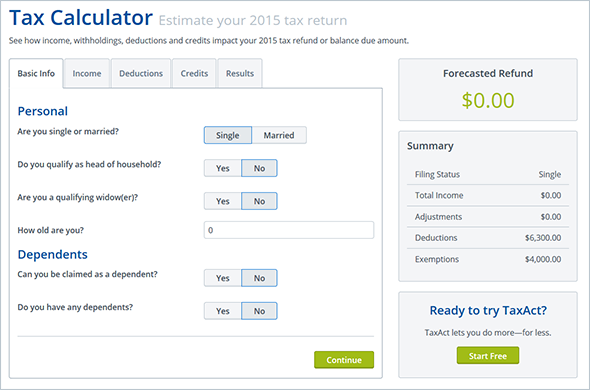
A tax-refund estimator is a tool that calculates estimated tax refunds or balances based on income, deductions, credits, and withholding information.
How accurate is a tax-refund estimator?
Accuracy depends on the quality of information entered. Updated and complete financial data generally produces reliable estimates.
Can self-employed individuals use a tax-refund estimator?
Yes. Freelancers and business owners can use a tax-refund estimator to estimate quarterly taxes and annual refunds.
Does a tax-refund estimator include tax credits?
Most modern estimators include common federal and state tax credits.
Why did my actual refund differ from the estimate?
Differences may result from missing income, tax law changes, incorrect entries, or updated IRS calculations.
Should immigrants use a tax-refund estimator?
Yes. Immigrants, visa holders, and ITIN filers can benefit greatly from using a tax-refund estimator alongside professional tax advice.
Conclusion
A reliable tax-refund estimator is one of the most valuable tools taxpayers can use to improve financial planning, reduce tax surprises, and maximize refund opportunities. From employees and freelancers to immigrant families and business owners, understanding estimated tax outcomes helps individuals make smarter financial decisions throughout the year.
Accurate tax planning is no longer optional in today’s evolving financial environment. Changes in income, tax laws, credits, deductions, and immigration status can significantly impact refund amounts and tax obligations.
By using a dependable tax-refund estimator, taxpayers can identify opportunities, avoid costly filing mistakes, improve withholding accuracy, and gain greater confidence during tax season.

