

Introduction: Navigating the N400 Processing Time
When applying for U.S. citizenship, one of the most crucial aspects of the process is understanding the N-400 processing time. This is the official application form for naturalization, and it plays a pivotal role in your journey to becoming a U.S. citizen. While the U.S. Citizenship and Immigration Services (USCIS) strives to maintain efficiency, many factors can impact the N-400 processing time.
In this comprehensive guide, we’ll dive deep into the N-400 processing time, discussing how long it typically takes, the steps involved, and the common reasons behind any delays. By the end of this post, you’ll have a clear understanding of the entire timeline and how to prepare for the process.
1. What is the N-400 Form and Why is Processing Time Important?
The N-400 form is the application for U.S. naturalization, filed by individuals who want to become U.S. citizens. After submitting the N-400, applicants must wait for approval from the USCIS. The processing time refers to the period between filing the N-400 and receiving a decision on the application.
Why is the N-400 processing time so important? The process of naturalization can be long and stressful. Understanding the timeline allows applicants to plan accordingly, avoid delays, and stay informed about their status throughout the journey.
2. Typical N-400 Processing Time
On average, the N-400 processing time ranges between 8 to 12 months. However, the exact processing time can vary based on multiple factors. It is essential to note that the N-400 processing time does not guarantee an exact duration. Delays can happen due to several reasons, such as:
-
Backlog of applications
-
Increased scrutiny of applications
-
Additional background checks or interviews
-
Delays at specific USCIS service centers
Generally, applicants residing in larger metropolitan areas may experience slightly longer processing times due to the higher volume of applications.
3. Key Factors Influencing the N-400 Processing Time
The N-400 processing time is not solely determined by the date of submission. Several factors can either shorten or lengthen the time it takes for the USCIS to make a decision. Understanding these factors will help you anticipate potential delays or even speed up the process:
-
Service Center Location: Different USCIS service centers may have varying processing times. Some service centers are faster due to fewer applications, while others might take longer.
-
Case Complexity: If your case is straightforward, the N-400 processing time will likely be shorter. If there are complications, such as criminal history, discrepancies in your application, or missing documentation, the process will take longer.
-
Interview Scheduling: After your N-400 application is reviewed, you may be scheduled for an interview. The time it takes to receive an interview date will contribute to the overall processing time.
-
Biometrics Appointment: Applicants must attend a biometrics appointment, where fingerprints and photographs are taken for background checks. The scheduling and completion of this appointment can affect the timeline.
-
Application Errors or Incompleteness: Mistakes on your N-400 form can delay processing. Ensure all the information provided is accurate and complete to prevent unnecessary hold-ups.
4. How to Check the Status of Your N-400 Application
Once you have submitted your N-400 application, you may want to keep track of its progress. Thankfully, USCIS offers several tools to monitor the status of your application:
-
USCIS Online Case Status Tool: This tool allows you to check the status of your application by entering your receipt number, which you receive after filing the N-400.
-
Case Status Updates: USCIS will send you status updates on major milestones of your application, including the biometrics appointment and interview date.
These tools can help reduce anxiety by providing you with real-time updates on your case. However, remember that the N-400 processing time can fluctuate, and it is not uncommon for delays to occur.
5. What to Do if Your N-400 Application is Delayed
Sometimes, even with the best preparation, delays are inevitable. If you find that your N-400 processing time has been extended beyond the typical range, here’s what you can do:
-
Contact USCIS: Reach out to USCIS for clarification on the status of your application. They may provide insight into the cause of the delay.
-
Make Sure All Documentation is Complete: If USCIS finds that your application is incomplete or missing documents, the process can take longer. Ensure that all paperwork is submitted in its entirety.
-
Request an Expedited Review: In certain cases, you can request an expedited review of your N-400 if there is an urgent need for U.S. citizenship, such as military service or family emergencies.
-
Appeal Denied Applications: If your N-400 application is denied due to errors, you have the option to appeal. However, an appeal does not guarantee a quick resolution.
6. Common Myths About N400 Processing Time
There are several misconceptions about the N-400 processing time. Let’s debunk some common myths:
-
Myth 1: Processing Times Are Fixed: As we’ve discussed, processing times can vary depending on several factors, including your location and the complexity of your case. It’s important to stay updated rather than expecting a fixed timeline.
-
Myth 2: USCIS Will Automatically Notify You of Delays: While USCIS sends status updates, they do not always notify applicants about delays unless specifically requested. It’s up to you to track the progress of your application.
-
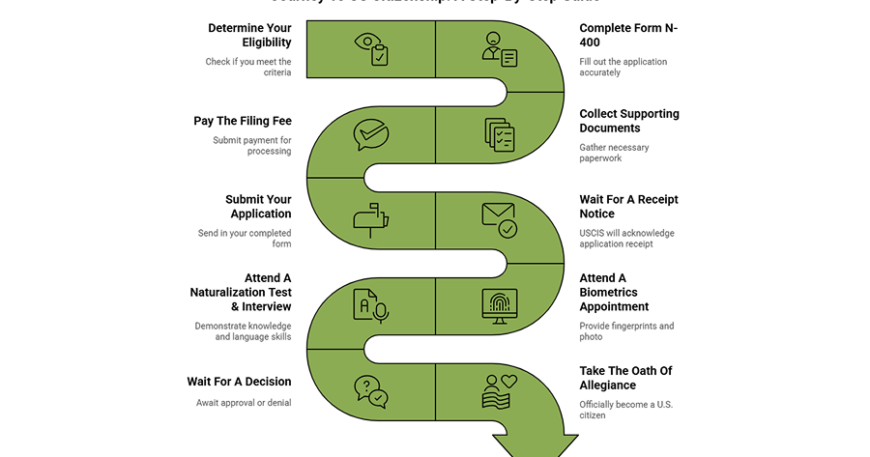
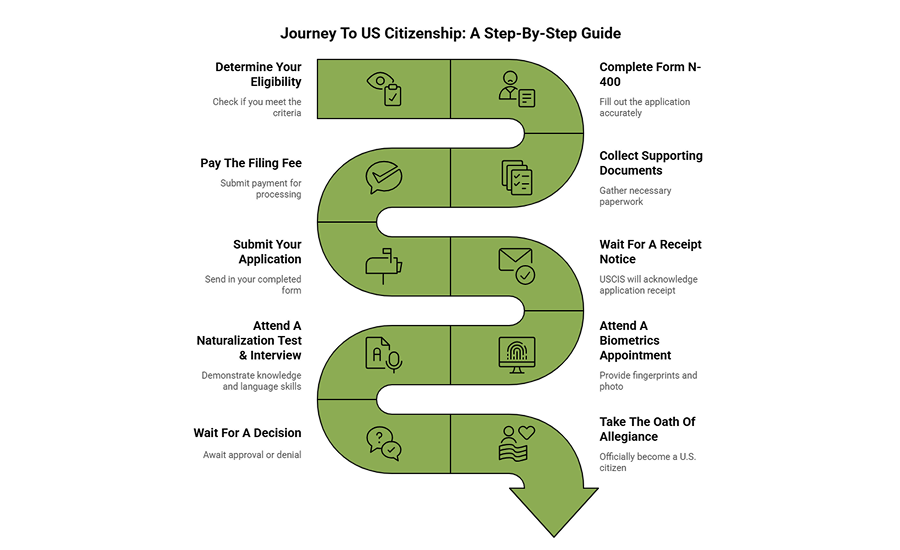
Myth 3: N-400 Processing Time Only Includes Filing and Approval: The total N-400 processing time includes every step of the process, from filing the application, undergoing background checks, attending the biometrics appointment, being interviewed, and receiving the final decision. All of these steps contribute to the total time it takes.
7. Tips to Speed Up the N-400 Processing Time
Although there’s no way to entirely control the N-400 processing time, there are steps you can take to minimize delays:
-
Submit a Complete Application: One of the best ways to avoid delays is to submit a fully completed and accurate N-400 form. Ensure you double-check all information before submitting.
-
Prepare for Your Interview: When you receive an interview notice, make sure you’re well-prepared. Bring all the necessary documents and be ready to answer any questions truthfully and thoroughly.
-
Respond to Requests for Additional Information Promptly: If USCIS requests additional information or documentation, respond as quickly as possible. Delays in submitting requested materials can prolong the process.
-
Stay Organized: Keep copies of all correspondence with USCIS and track important dates, such as your biometrics appointment and interview.
Conclusion: What to Expect for Your N-400 Processing Time
The N-400 processing time is an essential consideration when applying for U.S. citizenship. While the process typically takes between 8 to 12 months, various factors such as your location, application completeness, and service center efficiency can influence the timeline.
By staying informed, being proactive, and preparing thoroughly, you can minimize delays and increase your chances of a smooth naturalization process. Keep track of your application status and take action when necessary to ensure your journey to U.S. citizenship goes as smoothly as possible.
If you’re unsure about any aspect of the N400 processing time, reach out to professional services like Syed Professional Services. Our expert team can guide you through the process and help you stay on track for a successful outcome.

