

7 Devastating USCIS Case Mistakes That Destroy Your Immigration Dream – Ultimate Success Guide
Every USCIS case represents more than paperwork. It represents a family hoping to reunite, a worker building a future, or an immigrant pursuing citizenship after years of sacrifice. A USCIS case can move smoothly—or it can stall for months because of a preventable error. At Syed Professional Services, we have helped countless clients manage their USCIS case from filing to approval, and we have also seen the damage caused by simple mistakes. This guide exposes seven devastating USCIS case mistakes and shows you how to avoid them, especially when tax, accounting, and financial documentation are part of the record.
Whether you are filing a family-based petition, an employment-based application, or a naturalization request, your USCIS case depends on accuracy, consistency, and deadlines. A USCIS case is reviewed by officers who compare your forms, supporting documents, tax transcripts, and prior immigration history. When those records conflict, your USCIS case can trigger a Request for Evidence, a Notice of Intent to Deny, or a denial. With the right strategy—and the right partner—your USCIS case can become a foundation of confidence rather than a source of fear.
What Is a USCIS Case and Why Does It Matter?
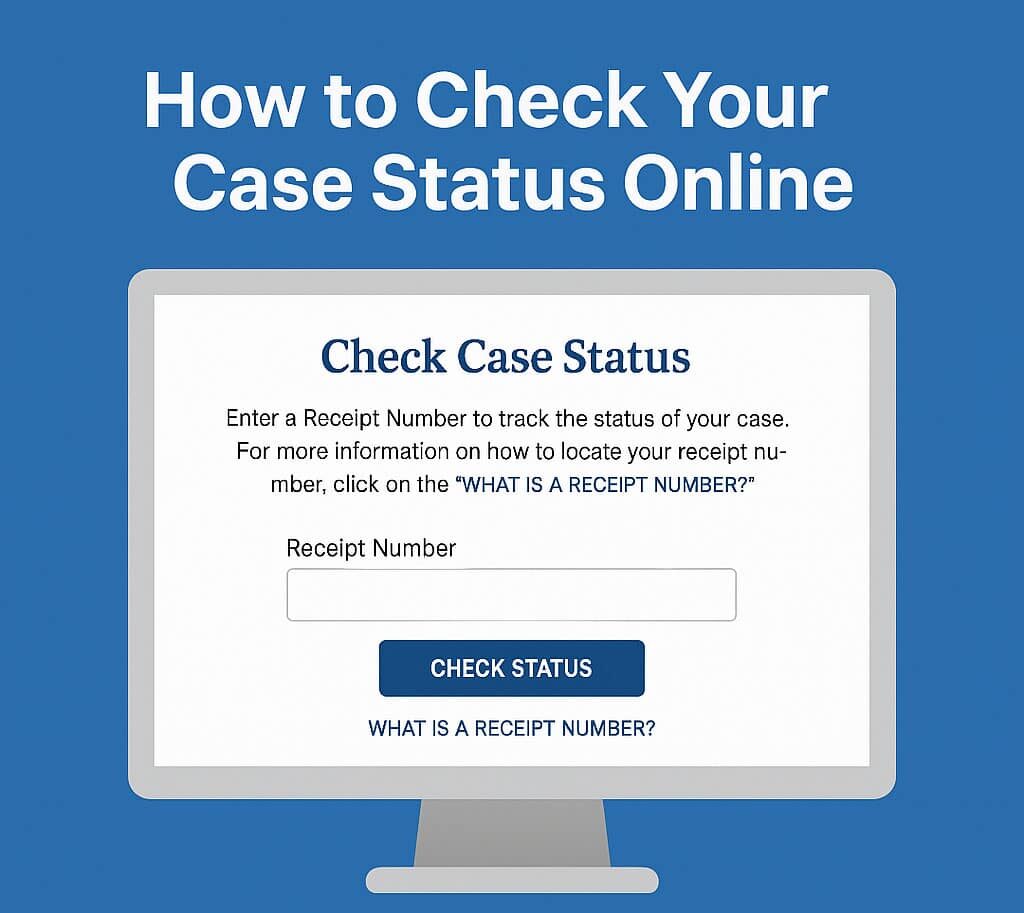
A USCIS case is the formal immigration matter you file with U.S. Citizenship and Immigration Services. It includes the petition or application, supporting evidence, biometrics, interviews, and any requests for additional information. Your USCIS case has a receipt number that lets you track status online. Every USCIS case follows specific legal requirements and processing timelines. Some USCIS case types are simple; others involve complex financial, criminal, or immigration history issues.
A USCIS case matters because the outcome affects your ability to live, work, and travel in the United States. A USCIS case that is approved can lead to a green card, work authorization, or citizenship. A USCIS case that is denied can cost filing fees, delay your plans, and damage future immigration options. For immigrants with tax or accounting issues, the USCIS case can be especially sensitive because USCIS reviews tax compliance and financial responsibility. Understanding your USCIS case—and the mistakes that derail it—is essential.
Devastating Mistake #1: Filing Your USCIS Case with Inconsistent Information
The most common USCIS case mistake is inconsistency. Your name, date of birth, address, employment history, and travel dates must match across every form and document. A USCIS case officer cross-references your application against prior filings, tax records, and supporting evidence. If your USCIS case says one address and your tax return says another, the officer may question your credibility. If your USCIS case lists a job you forgot to include on a prior form, the discrepancy can trigger a Request for Evidence.
Inconsistency in a USCIS case is devastating because it suggests misrepresentation, even when the error is innocent. The solution is a full-file review before filing. Compare your USCIS case forms to your passports, birth certificates, tax returns, and prior immigration documents. Correct every mismatch. Syed Professional Services reviews USCIS case filings for consistency with tax and financial records, catching problems before they reach the officer.
Devastating Mistake #2: Submitting Weak Financial Documentation in a USCIS Case
Many USCIS case types require financial evidence. Family-based petitions require the I-864 Affidavit of Support. Employment-based cases may require employer financials. Investor cases require proof of funds. A USCIS case can be denied or delayed when financial documentation is weak, inconsistent, or missing. A tax return that does not match IRS transcripts, a bank statement that contradicts reported income, or an affidavit of support that fails to meet the poverty guidelines can all undermine your USCIS case.
A strong USCIS case tells a coherent financial story. Tax returns, W-2s, pay stubs, and bank statements should align. Self-employment income should be documented with profit-and-loss statements and business records. Sponsors should meet income thresholds with reliable evidence. Syed Professional Services integrates tax and accounting expertise with USCIS case preparation. We review financial documentation, reconcile inconsistencies, and present evidence that supports approval. Your USCIS case should never fail because a number did not match.
Devastating Mistake #3: Ignoring Tax Compliance in a USCIS Case
Tax compliance is a hidden but critical factor in many USCIS case decisions. USCIS reviews tax transcripts for good moral character, public charge, and financial responsibility. Unfiled returns, unpaid balances, or discrepancies between filed returns and IRS records can damage a USCIS case. A naturalization USCIS case can be denied for failure to file taxes. A green card USCIS case can face public charge scrutiny when tax records show instability.
The solution is to resolve tax issues before filing your USCIS case. File missing returns, pay outstanding balances, and obtain clean transcripts. Syed Professional Services helps clients bring their tax records into compliance before their USCIS case is reviewed. We prepare returns, negotiate payment plans, and document compliance. When your tax record is clean, your USCIS case is stronger.
Devastating Mistake #4: Missing Deadlines in Your USCIS Case
A USCIS-case runs on deadlines. Biometrics appointments, RFE responses, interview dates, and filing windows all have hard limits. Missing a deadline in a USCIS case can result in abandonment, denial, or loss of appeal rights. A USCIS-case that is abandoned because you moved and did not receive a notice is heartbreaking—and preventable.
The solution is proactive USCIS-case management. Track every notice, update your address promptly, and respond to requests before the deadline. Syed Professional Services monitors USCIS-case deadlines for clients, prepares RFE responses, and ensures that nothing falls through the cracks. Your USCIS-case is too important to risk on a missed date.
Devastating Mistake #5: Failing to Disclose Criminal or Immigration History in a USCIS-Case
A USCIS-case requires full disclosure of arrests, convictions, immigration violations, and prior removals. Attempting to hide history in a USCIS-case is worse than disclosing it. USCIS runs background checks and will find the record. A USCIS-case denied for false testimony can damage future immigration options for years.
The solution is honest, documented disclosure. Syed Professional Services helps clients assess their history, gather court records, and present explanations that support their USCIS-case. We coordinate with immigration counsel when criminal issues require legal strategy. A truthful USCIS-case is the only viable USCIS-case.
Devastating Mistake #6: Treating a USCIS-Case as a One-Time Filing
A USCIS-case is not over when you submit the forms. It requires monitoring, response, and follow-up. A USCIS-case can receive an RFE months later. A USCIS-case can be transferred to a field office. A USCIS-case can require an interview. Treating a USCIS-case as a one-time filing leads to missed updates and unprepared interviews.
The solution is ongoing USCIS-case management. Check your USCIS-case status regularly, respond to notices, and prepare for interviews. Syed Professional Services provides USCIS-case monitoring and interview preparation, ensuring that clients are ready for every stage. Your USCIS-case deserves active stewardship.
Devastating Mistake #7: Going It Alone Without Professional USCIS-Case Guidance
The USCIS-case process is complex, and the stakes are high. Attempting to handle a USCIS-case alone—using online templates or advice from friends—is a devastating mistake. A USCIS-case requires legal knowledge, financial documentation, and strategic preparation. A single error can delay or deny your USCIS-case.
Professional guidance is an investment in your future. Syed Professional Services combines immigration expertise with tax and accounting knowledge, ensuring that your USCIS-case is accurate, consistent, and positioned for approval. We prepare forms, review financial evidence, and guide you through every step. When you work with us, your USCIS-case becomes a strategic asset, not a gamble.
Building a Winning USCIS-Case Strategy
Here is the proactive USCIS-case strategy Syed Professional Services recommends:
-
Review your full history before filing your USCIS-case.
-
Ensure tax compliance and clean transcripts for your USCIS-case.
-
Align financial documentation with your USCIS-case forms.
-
Track every deadline and respond promptly.
-
Disclose criminal and immigration history truthfully in your USCIS-case.
-
Monitor your USCIS-case status and prepare for interviews.
-
Seek professional guidance for complex USCIS-case issues.
This strategy transforms your USCIS-case from a source of anxiety into a managed process.
How Syed Professional Services Transforms Your USCIS-Case Experience
Our clients do not manage a USCIS-case alone. We provide:
-
USCIS-case consistency review across forms and documents.
-
Tax compliance resolution before your USCIS-case is reviewed.
-
Financial documentation preparation for I-864 and related forms.
-
USCIS-case deadline tracking and RFE response.
-
Interview preparation based on your USCIS-case record.
-
Post-filing support through approval.
This comprehensive approach turns your USCIS-case into a foundation of confidence.
Real-World Consequences of USCIS-Case Mistakes
Consider these composite scenarios:
Scenario 1: A family-based USCIS-case was delayed six months because the sponsor’s tax return did not match IRS transcripts. Syed Professional Services reconciled the records and provided corrected documentation.
Scenario 2: A naturalization USCIS-case was denied because the applicant had unfiled tax returns. Syed Professional Services prepared the missing returns and supported a successful reapplication.
Scenario 3: An employment-based USCIS-case received an RFE because the employer’s financial statements conflicted with tax filings. Syed Professional Services corrected the USCIS-case documentation and the petition was approved.
In each case, professional USCIS-case guidance would have prevented the problem.
Frequently Asked Questions About USCIS-Cases
Q: How long does a USCIS-case take?
A: USCIS-case processing times vary by form and service center. Some USCIS-case types take months; others take years.
Q: Can tax problems affect my USCIS-case?
A: Yes. Tax compliance is reviewed in many USCIS-case types, especially naturalization and public charge determinations.
Q: How often should I check my USCIS-Case status?
A: Check your USCIS-case status weekly during active processing and after any notice.
Q: What happens if my USCIS-case is denied?
A: Options depend on the USCIS-case type. Appeals or motions may be available. Syed Professional Services can evaluate your USCIS-case options.
Q: How can Syed Professional Services help with my USCIS-case?
A: We provide USCIS-case preparation, tax compliance review, financial documentation, deadline tracking, and interview support.
Proactive Steps You Can Take Today
-
Review your USCIS-case forms for consistency.
-
Check your tax compliance before USCIS reviews your USCIS-case.
-
Gather financial documents that support your USCIS-case.
-
Contact Syed Professional Services for a comprehensive USCIS-case consultation.
Conclusion: Master Your USCIS-Case for Immigration Success
The seven devastating mistakes—inconsistent information, weak financial documentation, ignored tax compliance, missed deadlines, hidden history, one-time filing, and going it alone—are all avoidable. Your USCIS-case is challenging, but it can be managed with the right strategy and the right partner.
Syed Professional Services is your ultimate ally for your USCIS-case. We bring together immigration expertise, tax preparation, and accounting knowledge to ensure that your USCIS-case is strong, consistent, and positioned for approval. Do not let a preventable mistake destroy your USCIS-case. Contact us today to schedule your USCIS-case consultation. Together, we will turn your USCIS-case into a story of success—and a step toward the future you are building in America.
