

Everything You Need to Know About the I-821 Form:
When it comes to U.S. immigration, there are various forms and procedures that applicants need to navigate. One of the most important forms in the immigration process is the I-821, which is crucial for those applying for Temporary Protected Status (TPS). Whether you’re a first-time applicant or looking to renew your TPS status, understanding the I-821 form is a vital step. In this comprehensive guide, we will explain everything you need to know about the I-821 form, including how to fill it out, common mistakes to avoid, and tips to ensure your application is successful.
What is the I-821 Form?
The I-821 form, also known as the “Application for Temporary Protected Status,” is used by individuals who wish to apply for TPS. This is a temporary immigration status granted to individuals from designated countries experiencing ongoing armed conflict, environmental disasters, or other extraordinary conditions that prevent their safe return.
To qualify for TPS, applicants must meet certain criteria. The I-821 form is a critical part of this process, and understanding how to complete it correctly can significantly affect your application’s outcome.
Why is the I-821 Important?
The I-821 form serves as the official application for Temporary Protected Status (TPS), allowing individuals to remain in the U.S. for a designated period. Without this form, applicants cannot receive the protection and benefits associated with TPS, such as the ability to work legally and avoid deportation during the duration of the status.
Additionally, the I-821 form plays a role in the decision-making process for whether you will receive TPS, as it gathers essential information about your background, eligibility, and reasons for applying.
Who Should File the I-821 Form?
Any individual seeking TPS or renewal of TPS should file the I-821 form. Common applicants include those from countries currently designated for TPS by the U.S. government, such as El Salvador, Honduras, Haiti, and Syria. However, it’s important to note that not all individuals from these countries automatically qualify for TPS. Applicants must meet specific criteria, including:
-
Being from a country with TPS designation.
-
Filing during the designated application period.
-
Having continuous residence in the U.S. since the specified date.
For individuals seeking TPS renewal, the I-821 form is also required to maintain status.
Step-by-Step Guide to Filing the I-821 Form
Filing the I-821 form might seem complex, but breaking it down into manageable steps can make the process smoother. Here’s a step-by-step guide to help you successfully complete the form:
-
Download the I-821 Form:
Start by downloading the most current version of the I-821 form from the official U.S. Citizenship and Immigration Services (USCIS) website. Make sure you’re using the latest version to avoid any issues with your application. -
Read the Instructions Carefully:
Before filling out the I-821 form, thoroughly read the instructions provided by USCIS. These instructions will guide you through the required fields, supporting documents, and fees. -
Complete the Form:
Fill out the I-821 form with accurate and complete information. Be sure to follow the instructions carefully, as providing incorrect or incomplete information can delay or even deny your application. Common fields on the form include personal information, such as:-
Full name
-
Date of birth
-
Country of origin
-
Whether you have ever been arrested or convicted of a crime
-
-
Submit Supporting Documents:
Along with the I-821 form, you will need to submit additional supporting documents that verify your eligibility for TPS. These may include proof of identity, nationality, and residence. It’s crucial to provide clear and accurate copies of these documents to avoid delays in processing. -
Pay the Fees:
The I-821 form requires a filing fee, which varies depending on your age and the specific TPS application. Ensure you check the current fee schedule on the USCIS website and submit the correct payment to avoid processing delays. -
Mail Your Application:
After completing the form and gathering all required documents, mail your application package to the appropriate USCIS address. Double-check that everything is included and that the forms are signed before mailing.
Common Mistakes to Avoid When Filing the I-821 Form
To ensure your application for TPS is successful, it’s important to avoid common mistakes when filing the I 3821 form. Here are a few to keep in mind:
-
Incomplete Information: Missing or incorrect information on the form can lead to delays or rejections. Double-check all fields before submitting.
-
Not Submitting All Required Documents: Failure to provide the necessary supporting documents can result in a delay or denial of your application. Review the checklist carefully.
-
Filing After the Deadline: Be aware of the deadlines for TPS applications. If you file after the specified period, your application may not be accepted.
-
Incorrect Payment: Ensure that you pay the correct filing fee. USCIS will reject applications with insufficient fees.
What Happens After You Submit the I-821 Form?
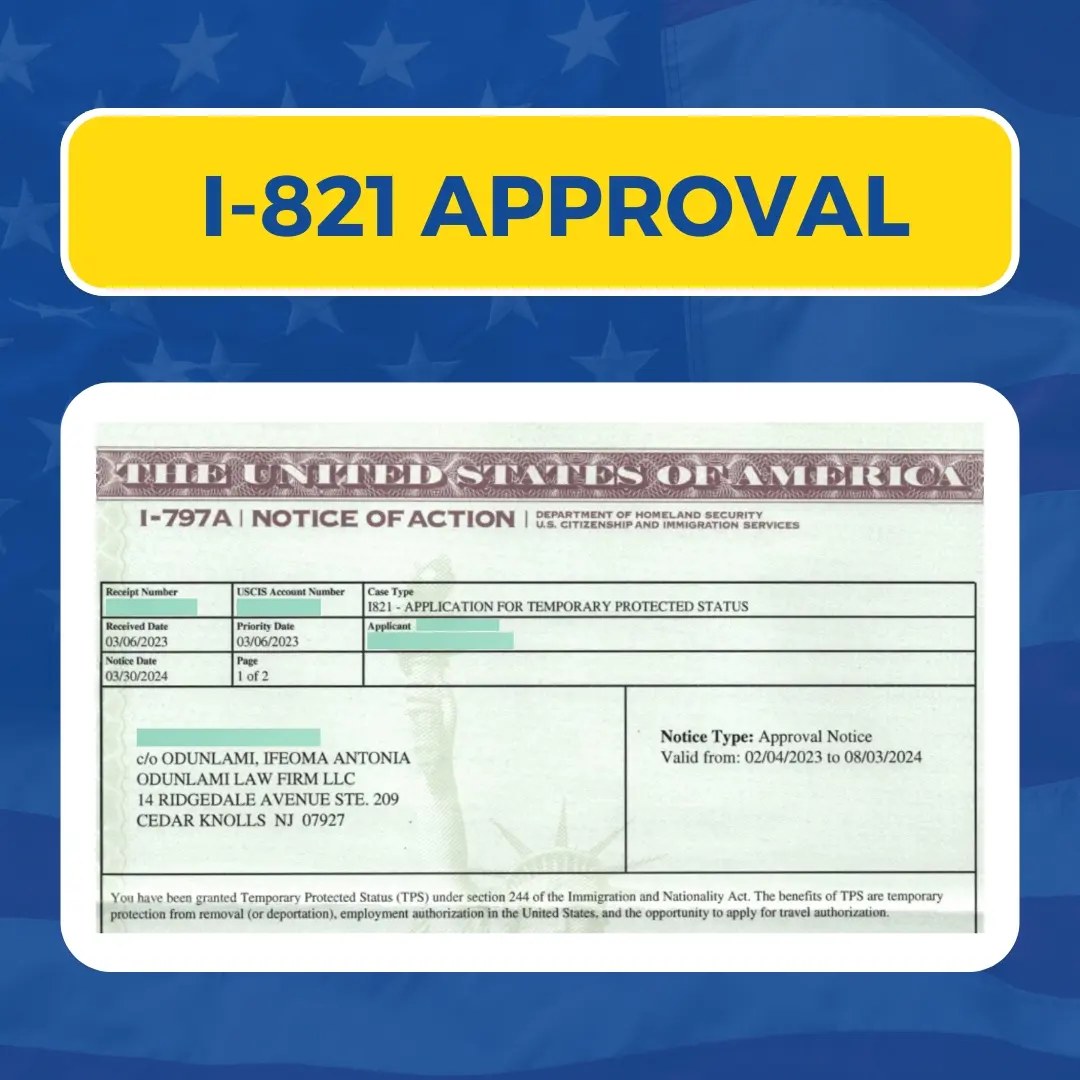
After submitting the I 821 form, you will receive a receipt notice from USCIS, acknowledging that your application is being processed. Depending on your case, you may be required to attend an interview or submit additional information.
The processing time for the I 821 form can vary, but applicants can generally expect a response within several months. If your application is approved, you will be granted TPS and may be issued a work permit. If your application is denied, USCIS will provide a reason for the denial, and you may have the option to appeal or reapply.
What Happens if the I-821 Form is Denied?
If your I-821 form is denied, it’s important not to panic. There may be specific reasons for the denial, such as missing information, failure to meet eligibility requirements, or incomplete documentation. You can:
-
Request a Reconsideration:
If you believe there was an error in the processing of your application, you may request that USCIS reconsider your case. Be prepared to provide additional evidence or clarification. -
File an Appeal:
If your I 821 form is denied, you may have the option to file an appeal or motion to reopen your case. Consult with an immigration attorney for guidance on how to proceed.
Tips for a Successful I-821 Application
-
Seek Professional Help: If you’re unsure about the process or have any questions, consider working with an immigration attorney or consultant who can help you navigate the complexities of the I 821 form.
-
Stay Organized: Keep a copy of your I 821 form and all supporting documents for your records. You may need them in the future.
-
Follow Up: Regularly check the status of your application online or through the USCIS customer service center.
Conclusion
The I 821 form is a vital component of the TPS application process, and understanding how to correctly fill out and submit this form can significantly impact your ability to remain in the U.S. legally. By following the steps outlined in this guide, avoiding common mistakes, and staying organized, you can improve your chances of a successful application. If you need assistance with your I-821 form or have any questions about the process, don’t hesitate to contact Syed Professional Services. We’re here to help you navigate the immigration process with confidence.

