


Understanding the W2 Form: Your Essential Guide to Taxes, Benefits, and More
When it comes to taxes, the W2 form is one of the most crucial documents for employees in the United States. Whether you’re a first-time filer or a seasoned pro, understanding the W2 form is essential for managing your finances. In this comprehensive guide, we’ll cover everything you need to know about the W2 form, from its purpose to how it impacts your taxes and benefits.

What is a W2 Form?
The W2 form, also known as the Wage and Tax Statement, is an official document provided by employers to employees. It reports the employee’s wages, salaries, tips, and other forms of compensation, as well as the taxes that have been withheld throughout the year. The W2 form is an essential part of your tax return filing and is used to determine the amount of income tax you owe or any potential refund.
At the end of every year, employers are required to send a W2 form to each of their employees by January 31st. The form is filed with the IRS, and employees use it to file their federal and state income taxes.
Why is the W2 Form Important?
The W2 form plays a pivotal role in both your tax filing and financial planning. Below are some of the reasons why understanding this form is so important:
-
Tax Filing: The W2 form is one of the most important documents you’ll need when filing your annual tax return. It helps you report your income accurately and ensures that your tax return matches the IRS records.
-
Tax Withholdings: The W2 shows how much income tax has already been withheld from your paycheck. This can affect whether you owe additional taxes or are entitled to a refund.
-
Social Security and Medicare: The W2 also details the contributions made to Social Security and Medicare. These contributions help ensure that you have access to benefits such as Social Security payments in retirement or disability.
-
Retirement and Benefits: If your employer offers benefits such as a 401(k) plan or health insurance, the W2 form will list the amount of pre-tax contributions you’ve made toward those benefits.
Breaking Down the W2 Form: What Does it Include?
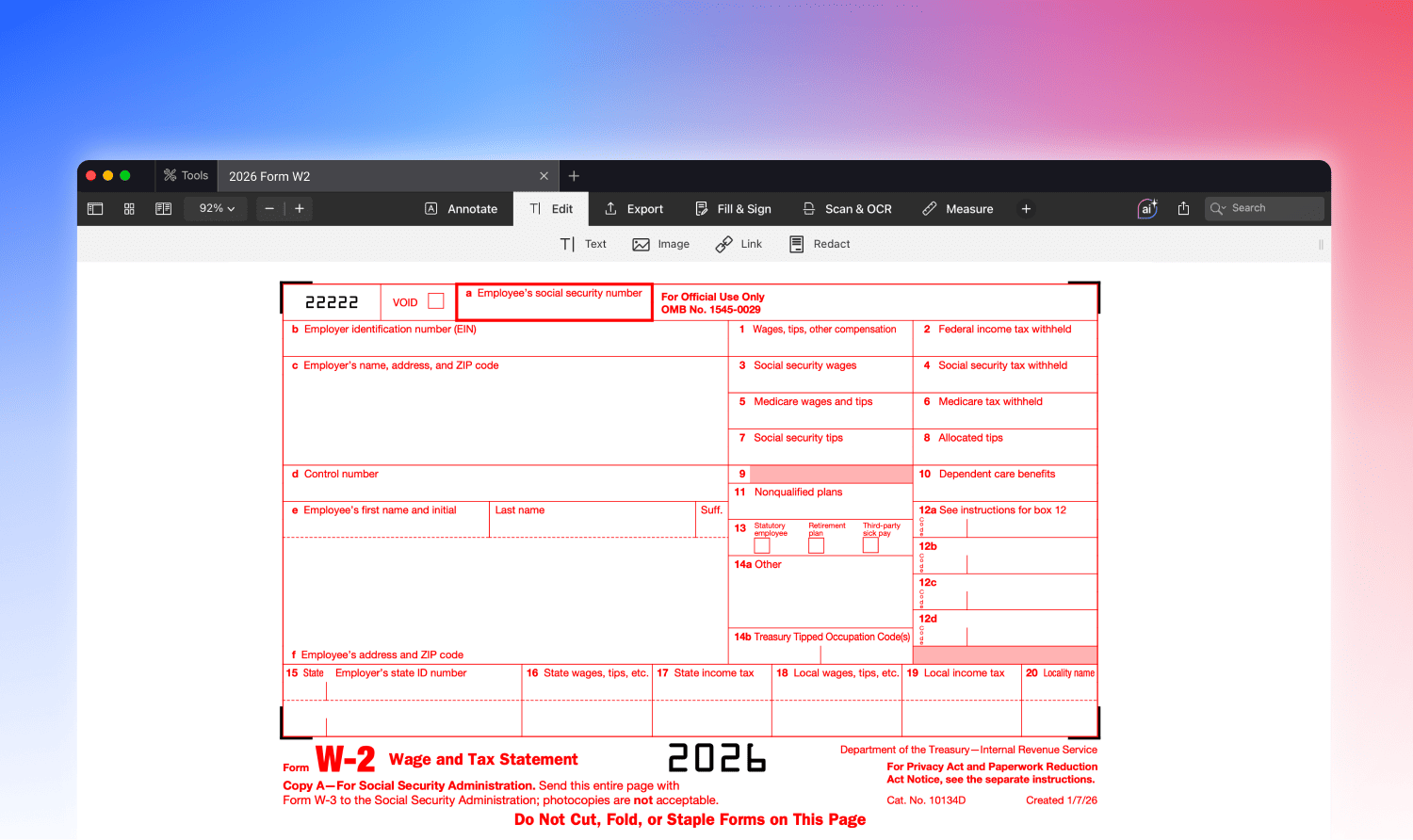
To fully understand the W2 form, it’s essential to know what each box represents. Here’s a breakdown of the key sections on the W2 form:
-
Box 1: This shows your total taxable income. This includes wages, bonuses, tips, and other forms of compensation, after any deductions such as retirement contributions.
-
Box 2: This box shows the federal income tax that has been withheld from your paycheck.
-
Box 3: This shows the total amount of wages that are subject to Social Security tax.
-
Box 4: This shows how much Social Security tax has been withheld from your wages.
-
Box 5: This shows the amount of wages that are subject to Medicare tax.
-
Box 6: This shows how much Medicare tax has been withheld.
-
Box 12: This box contains additional information about your wages, such as your contributions to retirement accounts or other benefits.
How to Use Your W2 Form for Tax Filing
Once you have your W2 form, it’s time to use it to file your taxes. Here’s a step-by-step guide on how to use your W2 form for tax filing:
-
Check for Accuracy: Before doing anything, make sure that all the information on your W2 form is accurate. Verify that your name, Social Security number, and address are correct. If you spot any errors, contact your employer to have them corrected.
-
Choose Your Filing Method: You can file your taxes either online through tax software or with a tax professional. If you choose to file on your own, most tax preparation software will ask you to input the information from your W2 form directly into the system.
-
Enter Your W2 Information: On your tax return, you will need to enter the information provided on your W2 form. Most tax software programs will prompt you to enter this information line by line.
-
Determine Your Tax Liability or Refund: After inputting your W2 information, the software or tax professional will calculate your tax liability or refund. Your W2 form helps determine whether you owe more taxes or if you’ll receive a refund based on the amount already withheld from your paychecks.
-
File Your Return: Once your W2 form details have been entered, you can file your tax return. Be sure to keep a copy of your W2 form for your records, as it may be required in the future for audit purposes or other financial transactions.
W2 Form: How It Affects Your Benefits
Many employees don’t realize that their W2 form plays a role in determining their benefits, both now and in the future. Here’s how:
-
Social Security and Medicare Benefits: The W2-form tracks your contributions to Social Security and Medicare, which can provide you with benefits when you retire, become disabled, or need medical coverage.
-
Retirement Savings: If you participate in employer-sponsored retirement plans, such as a 401(k), the W2-form will show how much you’ve contributed over the year. This helps ensure that your retirement savings are properly recorded and can grow tax-deferred.
-
Health Insurance: If you have employer-sponsored health insurance, some of your premium payments might be deducted directly from your paycheck before taxes are applied. These deductions will be reflected on your W2-form, reducing your taxable income.
Common W2 Form Mistakes to Avoid
While the W2 form is essential for your tax filing, it’s not always perfect. Here are some common mistakes people make when dealing with their W2-form:
-
Incorrect Information: Always double-check that your personal information, including your Social Security number and name, is accurate.
-
Not Reporting Additional Income: Sometimes employees may have income outside of their regular salary, such as tips or freelance work. If this is the case, make sure to report that income accurately.
-
Missing or Late W2-Forms: Employers are required to provide W2-forms by January 31st, but sometimes delays happen. If you haven’t received your W2 by mid-February, contact your employer to follow up.
-
Incorrect Withholding: If too much or too little tax has been withheld, it can affect your tax refund or liability. Make sure your withholding is accurate by reviewing your W2-form and adjusting your W-4 form with your employer if needed.
What to Do If You Lose Your W2-Form
If you lose your W2 form, don’t panic. Here’s what you can do:
-
Contact Your Employer: Your employer is required to keep a copy of your W2-form on file. Request a duplicate or ask them to resend the original form.
-
Contact the IRS: If your employer cannot provide a replacement form, you can contact the IRS. They can help you get the information you need to file your taxes.
-
Use Your Pay Stubs: If you’re unable to get a new W2-form in time, you can still file your taxes using your pay stubs. However, be prepared to explain the situation to the IRS and potentially file an amended return later.
Conclusion
The W2-form is a vital part of your financial and tax journey, providing crucial information for your tax filing, benefits, and retirement planning. By understanding how to read and use the W2 form, you can avoid mistakes and ensure you are filing your taxes correctly. Be sure to keep track of your W2-forms and always verify that the information on them is accurate to avoid complications down the line. If you ever need help understanding your W2-form or tax filing process, the team at Syed Professional Services is here to assist.
If you’re unsure about how to use your W2-form or need expert guidance, don’t hesitate to contact us. Our team of experienced professionals can help ensure that your taxes are filed accurately and on time.
Final Thoughts
Understanding the W2-form is essential for every employee, and it plays a crucial role in your tax filing and financial planning. By following the steps outlined in this guide, you can confidently navigate the world of taxes and benefits.
If you have any questions about your W2-form or need assistance with tax filing, get in touch with Syed Professional Services today. We specialize in tax, accounting, and immigration services to help you make the most of your financial situation.

