

IRS Direct Pay: 7 Powerful Benefits That Help You Avoid Costly Tax Payment Mistakes
Paying taxes is something most people dread, but modern technology has made the process far easier than it used to be. One of the most convenient ways to pay federal taxes today is through irs direct pay. This free online payment system allows taxpayers to transfer money directly from their bank account to the IRS without using third-party processors or paying additional fees.
For individuals and business owners, irs direct pay offers a simple and secure way to meet tax obligations. Instead of mailing checks or worrying about late payments, taxpayers can quickly submit payments online within minutes. The system is designed to provide instant confirmation and flexible scheduling options.
In this guide, we will explain how irs direct pay works, its benefits, common mistakes to avoid, and how taxpayers can use it safely when paying federal taxes.
What Is IRS Direct Pay and How Does It Work?
irs direct pay is a free online payment service offered by the Internal Revenue Service that allows taxpayers to pay federal taxes directly from their bank account. Unlike credit card payments or third-party payment services, irs direct pay transfers funds directly from your checking or savings account to the IRS.
The system is designed to make tax payments easier, faster, and more secure for taxpayers across the United States.
Key Features of IRS Direct Pay
Some of the most important features of irs direct pay include:
-
Free tax payments directly from a bank account
-
Secure transfer using IRS encryption technology
-
Immediate confirmation of payment
-
Ability to schedule payments up to 365 days in advance
-
No registration required
Because irs direct pay does not require an account or registration, taxpayers can simply enter their identity information, verify their tax records, and complete the payment process.
Types of Payments Allowed
Taxpayers can use irs direct pay to submit different types of payments, including:
-
Individual income tax payments
-
Tax return balances
-
Installment agreement payments
-
Extension payments
The flexibility of irs direct pay makes it one of the most convenient ways to pay federal taxes online.
7 Powerful Benefits of Using IRS Direct Pay
Many taxpayers prefer irs direct pay because it offers several advantages compared to other payment methods.
Completely Free Payment System
One of the biggest advantages of irs direct pay is that it is completely free. Unlike credit card payments, which often include service fees, irs direct pay allows taxpayers to pay taxes without additional charges.
Secure and Safe Transactions
Security is a top priority for the IRS. irs direct pay uses advanced encryption technology to protect taxpayer data and banking information.
This ensures that payments are processed safely and directly through the IRS system.
No Registration Required
Another major benefit of irs direct pay is that it does not require an account. Taxpayers simply verify their identity using personal information from previous tax returns.
This makes irs direct pay extremely convenient for individuals who need to make a quick payment.
Flexible Payment Scheduling
Taxpayers can schedule irs direct pay payments in advance. The system allows payments to be scheduled up to one year ahead, which helps individuals plan their finances better.
Instant Payment Confirmation
Once a payment is submitted through irs direct pay, taxpayers receive an immediate confirmation number. This confirmation serves as proof that the payment has been successfully submitted.
Easy Payment Tracking
The IRS allows taxpayers to review and track irs direct pay payments online. This helps ensure accurate tax records and reduces confusion about payment status.
Ideal for Estimated Tax Payments
Freelancers, self-employed individuals, and small business owners frequently use irs direct pay for quarterly estimated taxes.
Because payments can be scheduled ahead of time, irs direct pay helps taxpayers avoid late payment penalties.
Step-by-Step Guide to Using IRS Direct Pay
Using irs direct pay is simple and usually takes only a few minutes.
Step 1: Access the IRS Payment Page
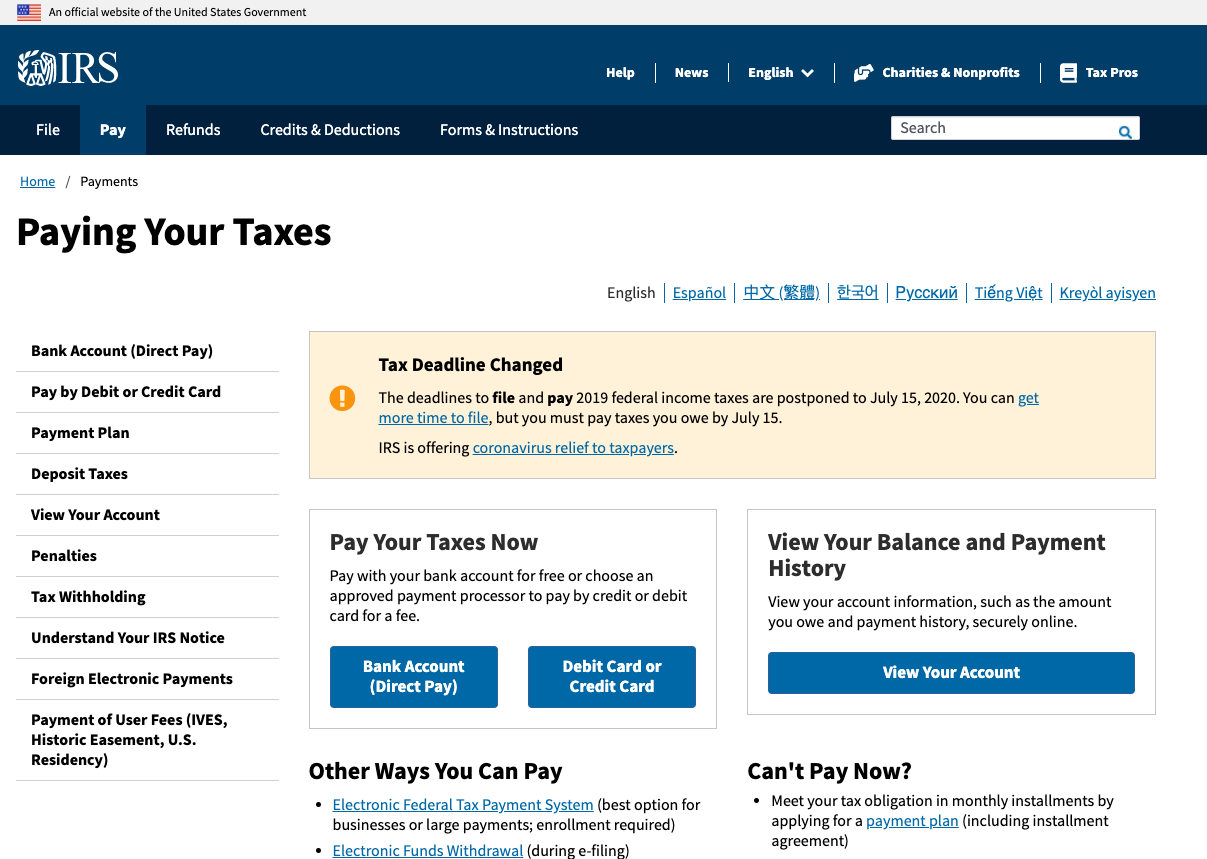
Taxpayers can access the payment system through the official IRS website:
https://www.irs.gov/payments/direct-pay
This is the official page where irs-direct pay transactions are processed.
Step 2: Verify Your Identity
Before completing a payment, the irs-direct pay system will ask for personal details such as:
-
Social Security Number
-
Date of birth
-
Filing status
-
Address from your previous tax return
This verification ensures that only authorized taxpayers can access the payment system.
Step 3: Enter Payment Details
Next, users select:
-
Tax form type
-
Payment reason
-
Tax year
These details help the irs-direct pay system apply the payment correctly to your tax account.
Step 4: Provide Bank Information
Taxpayers must enter their bank routing number and account number to complete the irs-direct pay transaction.
The payment is then transferred directly from the bank to the IRS.
Step 5: Receive Confirmation
After submitting the payment, irs-direct pay generates a confirmation number that should be saved for tax records.
Common IRS Direct Pay Mistakes to Avoid
Although irs direct pay is simple, taxpayers sometimes make mistakes when submitting payments.
Entering Incorrect Tax Year
One of the most common mistakes when using irs-direct pay is selecting the wrong tax year. This can cause payments to be applied incorrectly.
Always double-check the tax year before submitting a payment.
Incorrect Payment Reason
Another issue occurs when taxpayers select the wrong payment category in irs-direct pay, such as choosing estimated tax instead of balance due.
This mistake may delay the processing of the payment.
Bank Account Errors
Entering incorrect banking details can cause irs-direct pay payments to fail. Always verify routing numbers and account numbers carefully.
Missing Payment Confirmation
Taxpayers should always save their irs-direct pay confirmation number. This number is essential if there are any issues with payment records.
IRS-Direct Pay vs Other IRS Payment Methods
The IRS offers several ways to pay taxes, but irs-direct pay remains one of the most popular options.
| Payment Method | Fees | Speed | Convenience |
|---|---|---|---|
| IRS-Direct Pay | Free | Fast | Very Easy |
| Credit Card Payment | Service Fees | Fast | Easy |
| Check by Mail | Free | Slow | Less Convenient |
| Electronic Funds Withdrawal | Free | Fast | Requires tax filing |
Compared to other methods, irs-direct pay provides a perfect balance of speed, security, and cost savings.
When Should Taxpayers Use IRS-Direct Pay?
There are several situations where irs-direct pay is the best option for paying taxes.
Paying Tax Balance After Filing
If taxpayers owe money after filing their return, irs-direct pay provides the fastest way to send the payment.
Making Estimated Tax Payments
Self-employed professionals often rely on irs-direct pay to submit quarterly estimated taxes.
Paying Extension Taxes
When filing a tax extension, taxpayers can use irs-direct pay to submit their payment before the deadline.
Paying Installment Agreement Amounts
Individuals on IRS payment plans can also submit monthly payments using irs-direct pay.
How Professional Tax Services Can Help
Although irs-direct pay is simple, many taxpayers still benefit from professional tax guidance.
Professional tax firms like Syed Professional Services assist clients with:
-
Tax preparation and filing
-
IRS payment planning
-
Installment agreements
-
IRS notices and audits
-
Immigration and financial services
Working with experienced professionals ensures that irs-direct pay payments are applied correctly and that taxpayers avoid costly penalties.
FAQs
What is IRS-Direct Pay?
irs- direct pay is a free online payment system that allows taxpayers to pay federal taxes directly from their bank accounts.
Is IRS-Direct Pay safe?
Yes. irs-direct pay uses secure IRS encryption technology to protect taxpayer data and banking information.
Does IRS Direct Pay charge fees?
No. irs-direct pay is completely free, unlike credit card tax payments which usually include processing fees.
Can I schedule payments in advance?
Yes. irs-direct pay allows taxpayers to schedule payments up to 365 days ahead.
Can businesses use IRS Direct Pay?
irs-direct pay is mainly designed for individual taxpayers, but some small business owners use it for personal tax obligations.
What happens if I make a mistake?
If you make an error using irs-direct pay, you may need to contact the IRS or a tax professional to correct the payment record.
Conclusion
Paying taxes does not have to be stressful. With irs-direct pay, taxpayers now have a simple, fast, and secure way to pay their federal taxes online without extra fees. The system eliminates the need for paper checks, reduces processing delays, and provides instant confirmation for peace of mind.
Whether you are paying your annual tax balance, submitting quarterly estimated taxes, or making installment payments, irs-direct pay can help you stay compliant and avoid penalties.
For individuals who want professional assistance with tax payments, tax planning, or immigration services, Syed Professional Services offers expert support to help you manage your financial responsibilities efficiently.

