

Roth IRS: The Ultimate Guide to Smart Retirement Planning
When it comes to building a secure financial future, understanding the roth irs is absolutely essential. Whether you’re a business owner, salaried professional, or immigrant navigating the U.S. tax system, the roth irs offers unique advantages that can significantly impact your long-term wealth.
But here’s the catch—while the roth irs can be incredibly powerful, it also comes with rules, limitations, and potential downsides that many people overlook.
In this comprehensive guide, we’ll break down everything you need to know about the roth irs, including how it works, its benefits, disadvantages, and strategies to use it effectively.
What Is Roth IRS and How Does It Work?
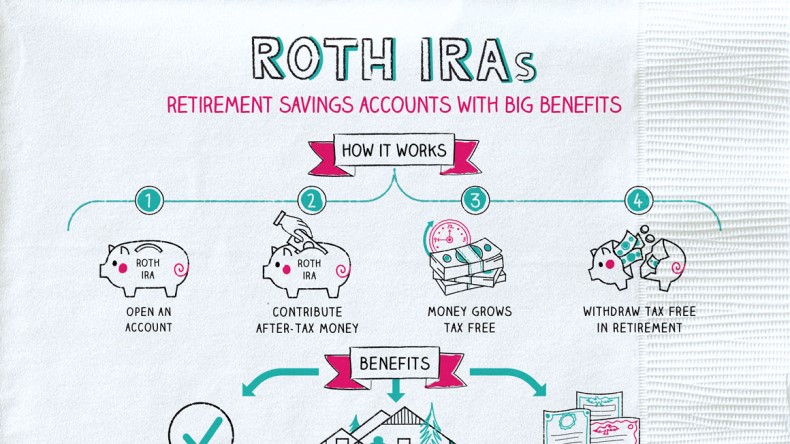
The term roth irs is often used informally to refer to a Roth IRA (Individual Retirement Account), a retirement savings account that allows your money to grow tax-free.
Unlike traditional retirement accounts, contributions to a roth irs are made with after-tax dollars. That means you don’t get a tax deduction today—but your withdrawals in retirement are completely tax-free.
Key Features of Roth IRS
- Tax-free growth
- Tax-free withdrawals in retirement
- No required minimum distributions (RMDs)
- Flexible contribution rules
The roth irs is especially attractive for younger individuals or those expecting to be in a higher tax bracket in the future.
How Contributions Work
For the roth irs, you contribute money that has already been taxed. Once inside the account, your investments grow tax-free.
In 2026, contribution limits are expected to remain similar to recent years:
- $7,000 per year (under age 50)
- $8,000 per year (age 50+)
Understanding these limits is crucial when planning your roth irs strategy.
Benefits of Roth IRS You Shouldn’t Ignore
The roth irs has become one of the most popular retirement tools—and for good reason.
Tax-Free Retirement Income
One of the biggest advantages of the roth irs is that qualified withdrawals are completely tax-free. This can save you thousands—or even hundreds of thousands—of dollars over time.
No Required Minimum Distributions
Unlike traditional IRAs, the roth irs does not require you to withdraw funds at a certain age. This gives you greater flexibility in managing your retirement income.
Ideal for Younger Investors
If you’re early in your career, the roth irs is a powerful tool. You pay taxes now (when your rate is lower) and avoid taxes later (when your rate could be higher).
Estate Planning Benefits
The roth irs can also be a smart estate planning tool. Beneficiaries can inherit tax-free income, making it a valuable asset for wealth transfer.
Drawbacks of Roth IRS You Must Consider
While the roth irs offers many benefits, it’s not perfect.
No Immediate Tax Deduction
Unlike traditional IRAs, contributions to a roth irs are not tax-deductible. This can be a disadvantage if you’re looking to reduce your current taxable income.
Income Limits Apply
Not everyone can contribute directly to a roth irs. If your income exceeds certain thresholds, you may be restricted or completely ineligible.
Contribution Limits Are Relatively Low
Compared to employer-sponsored plans like 401(k)s, the roth irs has lower contribution limits, which can slow down wealth accumulation.
Complex Rules for Withdrawals
Although withdrawals are tax-free, they must meet certain conditions. Misunderstanding these rules can lead to penalties.
Roth IRS vs Traditional IRA: Key Differences
Choosing between a roth irs and a traditional IRA depends on your financial situation.
| Feature | Roth-IRS | Traditional IRA |
|---|---|---|
| Tax Treatment | After-tax contributions | Pre-tax contributions |
| Withdrawals | Tax-free | Taxable |
| RMDs | None | Required |
| Income Limits | Yes | No |
The roth-irs is generally better if you expect higher taxes in the future, while traditional IRAs are better for immediate tax savings.
Smart Strategies to Maximize Roth-IRS Benefits
To get the most out of your roth-irs, you need a strategic approach.
Start Early
Time is your biggest ally. The earlier you start contributing to a roth-irs, the more your money can grow tax-free.
Use Backdoor Roth Strategy
If your income is too high, you can still access the roth-irs through a backdoor conversion strategy.
Diversify Your Retirement Accounts
Don’t rely solely on a roth-irs. Combine it with other accounts like 401(k)s for a balanced approach.
Convert During Low-Income Years
Converting funds into a roth-irs during years when your income is lower can reduce your tax burden.
Common Mistakes to Avoid with Roth-IRS
Even experienced investors make mistakes with the roth-irs.
Over-Contributing
Exceeding contribution limits can result in penalties. Always track your contributions carefully.
Ignoring Income Limits
Failing to account for income restrictions can create compliance issues with the roth-irs.
Withdrawing Too Early
Early withdrawals can lead to penalties and taxes, reducing the benefits of your roth-irs.
Not Investing Contributions
Simply contributing to a roth-irs isn’t enough—you must invest the funds to see real growth.
Who Should Use Roth-IRS?
The roth-irs isn’t for everyone—but it’s ideal for many.
Best Candidates
- Young professionals
- Small business owners
- Immigrants planning long-term U.S. residency
- Individuals expecting higher future income
Who Might Skip It
- High-income earners without backdoor options
- Individuals needing immediate tax deductions
Understanding your financial goals is key to deciding if the roth-irs is right for you.
FAQs About Roth-IRS
What is Roth-IRS in simple terms?
The roth-irs is a retirement account where you pay taxes now and enjoy tax-free income later.
Is Roth-IRS better than a 401(k)?
It depends. The roth-irs offers tax-free withdrawals, while 401(k)s allow higher contributions.
Can immigrants use Roth-IRS?
Yes, if they have earned income in the U.S. and meet eligibility requirements, they can benefit from the roth-irs.
What happens if I exceed Roth-IRS limits?
You may face penalties unless corrected promptly.
Can I withdraw contributions anytime?
Yes, contributions (not earnings) can usually be withdrawn without penalties.
Is Roth-IRS tax-free forever?
Yes, qualified withdrawals remain tax-free under current laws.
Conclusion: Is Roth-IRS Worth It?
The roth-irs is one of the most powerful tools available for tax-efficient retirement planning. While it may not provide immediate tax benefits, its long-term advantages can be life-changing.
From tax-free growth to flexible withdrawals, the roth-irs offers unmatched benefits—especially for those planning ahead.
However, it’s important to understand its limitations and use it as part of a broader financial strategy.
If you’re unsure how to integrate the roth-irs into your financial plan, consulting professionals like Syed Professional Services can help you make informed decisions tailored to your situation.

