

Introduction
Understanding irs tax forms is essential for anyone living or doing business in the United States. Whether you’re an employee, freelancer, or business owner, dealing with irs tax forms is a yearly responsibility that can significantly impact your finances.
Many people feel overwhelmed by the complexity of irs tax forms, but the truth is—once you understand the basics, it becomes much easier to manage. In this comprehensive guide, we’ll break down everything you need to know about irs tax forms, including their types, how to file them, common mistakes, and expert tips to stay compliant.
What Are IRS Tax Forms and Why They Matter
IRS tax forms are official documents used to report income, calculate taxes, and determine tax liabilities. These forms are submitted to the Internal Revenue Service (IRS) to ensure that individuals and businesses pay the correct amount of tax.
Purpose of IRS Tax Forms
The main purpose of irs tax forms is to:
- Report income from various sources
- Calculate tax owed or refunds due
- Claim deductions and credits
- Maintain legal compliance
Without properly filing irs tax forms, you could face penalties, audits, or legal issues.
Who Needs to File IRS Tax Forms
Almost everyone earning income in the U.S. must deal with irs tax forms, including:
- Employees
- Self-employed individuals
- Small business owners
- Investors
Even if you earn income abroad or part-time, irs tax forms still apply in most cases.
Common Types of IRS Tax Forms You Should Know
There are many different irs tax forms, each serving a specific purpose. Understanding which forms apply to you is crucial.
Form 1040 – Individual Income Tax Return
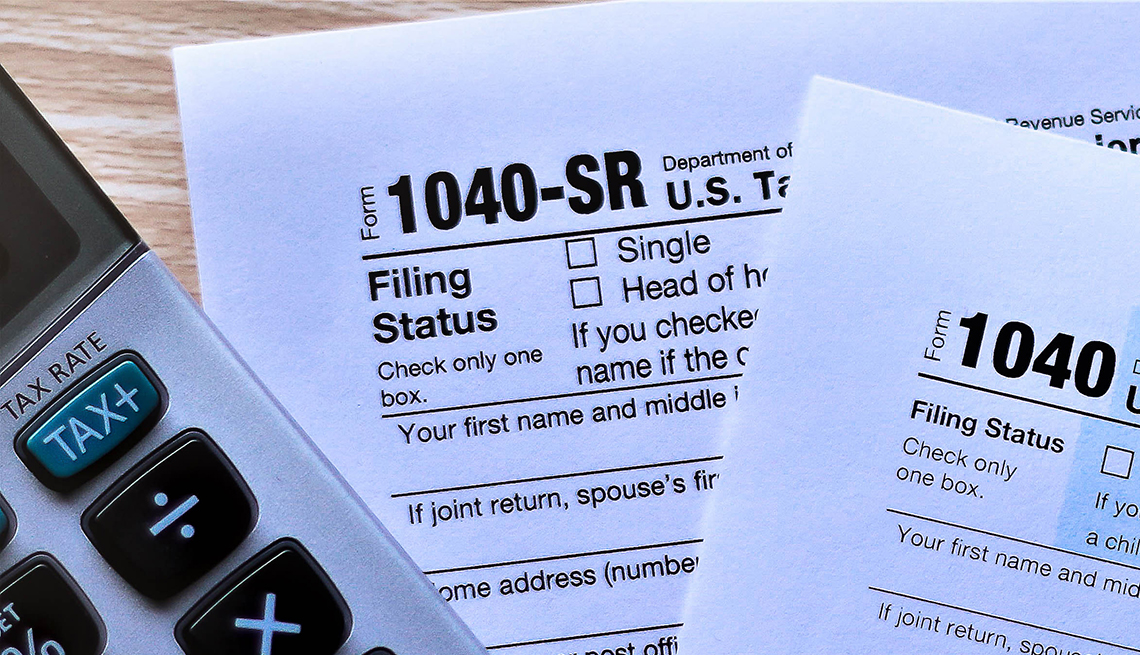
This is the most common of all irs tax forms. Individuals use Form 1040 to report their annual income and calculate taxes.
Form W-2 – Wage and Tax Statement
Employers provide this form to employees. It shows total earnings and taxes withheld, making it one of the most important irs tax forms for workers.
Form 1099 – Miscellaneous Income
Freelancers and contractors often receive this form. It reports income earned outside traditional employment.
Form 941 – Employer’s Quarterly Tax Return
Businesses use this form to report payroll taxes. It’s one of the key irs tax forms for employers.
Form 1065 – Partnership Return
Partnerships use this form to report income, deductions, and profits.
How to File IRS Tax Forms Correctly
Filing irs tax forms doesn’t have to be stressful if you follow the right process.
Step-by-Step Filing Process
Gather Your Documents
Before filling out any irs tax forms, collect:
- Income statements (W-2, 1099)
- Expense records
- Deduction receipts
Choose Your Filing Method
You can file irs tax forms:
- Electronically (e-file)
- By mail
E-filing is faster, more secure, and reduces errors.
Fill Out Forms Accurately
Ensure all details on your irs tax forms are correct, including:
- Social Security Number
- Income figures
- Deductions
Submit Before Deadline
Missing deadlines for irs tax forms can lead to penalties.
Important Deadlines for IRS Tax Forms
Timeliness is critical when dealing with irs-tax forms.
Annual Filing Deadline
The standard deadline for most irs-tax forms is April 15. If it falls on a weekend or holiday, it may shift slightly.
Extension Options
You can request an extension, but it only applies to filing—not paying taxes owed.
Business Filing Deadlines
Different irs-tax forms for businesses have varying deadlines depending on the entity type.
Top Benefits of Filing IRS-Tax Forms Properly
Filing irs-tax forms correctly offers several advantages.
Avoid Penalties
Accurate and timely submission of irs-tax forms helps you avoid fines and legal trouble.
Maximize Refunds
Properly completed irs-tax forms ensure you claim all eligible deductions and credits.
Financial Clarity
Filing irs-tax forms gives you a clear picture of your financial situation.
Common Mistakes to Avoid with IRS-Tax Forms
Even small errors in irs-tax forms can lead to big problems.
Incorrect Personal Information
Mistakes in names or Social Security numbers can delay processing.
Math Errors
Simple calculation errors in irs-tax forms can trigger audits or corrections.
Missing Forms
Failing to include required irs-tax forms can result in penalties.
Late Filing
Submitting irs-tax forms after the deadline can lead to fines and interest charges.
IRS-Tax Forms for Businesses and Self-Employed Individuals
If you run a business, handling irs-tax forms becomes even more important.
Self-Employment Taxes
Freelancers must report income and pay self-employment taxes using specific irs-tax forms.
Payroll Taxes
Employers must file payroll-related irs-tax forms regularly.
Record Keeping
Maintaining accurate records ensures your irs-tax forms are correct and complete.
Tips to Simplify IRS-Tax Forms Filing
Here are expert tips to make handling irs-tax forms easier:
Stay Organized
Keep all financial documents in one place to simplify filling out irs-tax forms.
Use Professional Help
Tax professionals can help you accurately complete irs-tax forms and avoid costly errors.
Leverage Technology
Tax software can automate calculations and reduce mistakes in irs-tax forms.
Review Before Submission
Always double-check your irs-tax forms before filing.
Why Choose Syed Professional Services
At Syed Professional Services, we specialize in helping individuals and businesses manage irs-tax forms efficiently.
Our Services Include
- Tax preparation
- Accounting solutions
- Immigration assistance
Expert Guidance
Our experienced team ensures your irs-tax forms are accurate, complete, and submitted on time.
FAQs About IRS-Tax Forms
What are irs-tax forms used for?
They are used to report income, calculate taxes, and claim deductions.
Can I file irs-tax forms online?
Yes, e-filing is the fastest and most convenient method.
What happens if I don’t file irs-tax forms?
You may face penalties, interest, or legal consequences.
Do I need a professional for irs-tax forms?
Not required, but highly recommended for accuracy and compliance.
How long should I keep irs-tax forms?
Typically, keep records for at least three years.
Are irs-tax forms different for businesses?
Yes, businesses use specific forms depending on their structure.
Conclusion
Handling irs-tax forms doesn’t have to be complicated. With the right knowledge and guidance, you can file accurately, avoid penalties, and even maximize your tax benefits.
Whether you’re an individual taxpayer or a business owner, understanding irs-tax forms is key to financial success. If you need expert assistance, Syed Professional Services is here to help you every step of the way.

