

Introduction:
When dealing with the U.S. Citizenship and Immigration Services (USCIS), one of the most commonly asked questions is: “How long will it take for my case to be processed?” While there is no one-size-fits-all answer, understanding USCIS processing times is crucial for anyone navigating the U.S. immigration system.
Whether you’re waiting for a visa approval, a green card, or a work permit, delays in USCIS processing times can cause a lot of anxiety. In this comprehensive guide, we’ll walk you through the factors that influence USCIS processing times, how to check your application status, and what you can do to avoid unnecessary delays.
What Are USCIS Processing Times?
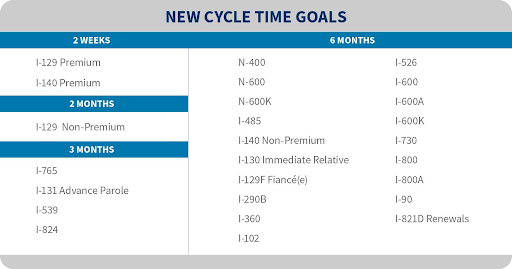
USCIS processing times refer to the amount of time it takes for USCIS to process your immigration application or petition from the moment they receive it until a final decision is made. The time can vary based on the type of application, the service center handling it, and other specific factors.
There are different types of applications that can be processed by USCIS, and each of them will have its own USCIS processing times. For example, a work permit might take a few months, while a green card application might take over a year.
Understanding USCIS processing times is essential because it allows applicants to plan their next steps and set realistic expectations.
Factors Affecting USCIS Processing Times
Several factors influence USCIS processing times. Let’s take a closer look at some of the most important ones:
-
Type of Application
Different applications have different processing times. For example, a family-based visa might take a year to process, while a naturalization application might take several months. Researching the average USCIS processing times for your specific case is essential. -
Service Center Location
USCIS operates several service centers across the country, and each one may have slightly different processing times. Some centers might be more efficient or handle a larger volume of cases, which can affect processing times. -
Volume of Applications
The more applications USCIS receives, the longer the processing times tend to be. During periods of high demand (e.g., new immigration policies or significant legislative changes), you may experience longer delays. -
Completeness of Your Application
One of the most common reasons for delays in USCIS processing times is incomplete or incorrect applications. Ensure your application is accurate and all required documents are submitted to avoid unnecessary delays. -
Request for Evidence (RFE)
If USCIS needs additional information or documentation, they may issue a Request for Evidence (RFE). The time it takes to gather and submit the requested information can add weeks or even months to your overall USCIS processing time. -
Background Checks
USCIS conducts background checks on applicants. Depending on your history and the complexity of your case, background checks may take longer, thus affecting the USCIS processing times. -
Changes in Policy or Legislation
New policies or changes in immigration law can also impact USCIS processing times. For example, if there are changes in eligibility criteria or application procedures, it could slow down processing at certain service centers.
How to Check USCIS Processing Times
Checking USCIS processing times is relatively simple. Here are the steps:
-
Visit the USCIS Website
Go to the official USCIS website and navigate to the “Check Case Processing Times” page. Here, you will be able to find estimated processing times for different types of applications. -
Enter the Required Information
To get accurate processing time estimates, you will need to enter specific information about your case, such as the form number and the service center that is processing your application. -
Check the “Processing Time” Chart
USCIS provides a processing time chart that shows the estimated time it takes to process a variety of applications. This chart is updated regularly to reflect the latest trends in USCIS processing times. -
Sign Up for Case Status Updates
You can also sign up for case status updates on the USCIS website. This will allow you to receive notifications about any changes or updates to your application.
By checking the USCIS processing times and staying up to date on your case status, you can manage your expectations and avoid unnecessary frustration.
Tips for Reducing Delays in USCIS Processing Times
Although you cannot control all factors that influence USCIS processing times, there are steps you can take to reduce delays:
-
Ensure Your Application Is Complete
Double-check that your application is complete and includes all necessary documents. Incomplete or incorrect applications are one of the top reasons for delays in USCIS processing times. -
File Your Application Early
Filing your application as early as possible can help avoid the rush during peak periods. Many applicants experience long waits when applying during high-demand times. -
Monitor Your Case Status Regularly
By staying on top of your case status, you can address any issues quickly and avoid extended delays. You’ll also be able to respond promptly if you receive an RFE from USCIS. -
Work with an Immigration Professional
If you’re facing delays or are unsure about how to proceed, consider working with an immigration attorney or professional. They can help guide you through the process and ensure your application is submitted correctly the first time, potentially reducing USCIS processing times. -
Prepare for an Interview
If your application requires an interview, be sure to prepare thoroughly. USCIS may delay processing if your interview is missed or postponed.
Common Delays in USCIS Processing Times and How to Handle Them
While waiting for your case to be processed, you may encounter delays. Below are a few common delays and tips on how to manage them:
-
Requests for Evidence (RFEs)
RFEs are common and can significantly delay USCIS processing times. If you receive an RFE, make sure to respond as soon as possible with the requested documentation. Delays in responding to an RFE can add several months to your processing time. -
Long Waits for Biometrics Appointment
Some applications require a biometrics appointment (for fingerprints and photos). If you’re waiting for a biometrics appointment, check the USCIS website for updates on appointment scheduling. -
Case Transfers
Occasionally, USCIS may transfer your case to a different service center, which can delay processing. If this happens, make sure you’re informed of the new processing times for your transferred case.
How Syed Professional Services Can Help with USCIS Processing Times
If you’re feeling overwhelmed by the wait or confused about USCIS processing times, the team at Syed Professional Services is here to help. We specialize in immigration services and can guide you through the entire process, ensuring that your case is handled as efficiently as possible.
Our experts are familiar with the common delays that impact USCIS processing times and can help you navigate these challenges. From ensuring your paperwork is in order to providing guidance on what to do if you experience delays, we are here to support you every step of the way.
Conclusion:
Navigating USCIS processing times can be frustrating, but with the right knowledge and approach, you can reduce delays and manage your expectations. Remember to check your case status regularly, submit complete applications, and work with an experienced professional to ensure the best possible outcome.
At Syed Professional Services, we understand the challenges of dealing with USCIS and are dedicated to providing you with the support you need to achieve a successful immigration outcome. Contact us today to learn how we can assist you with your case and make the process smoother and more predictable.

