

7 Proven Ways to Track My Refund Fast and Avoid Stressful IRS Delays
Tax season can feel overwhelming, especially when you are waiting for your refund to arrive. Every year, millions of taxpayers search online for ways to track my refund because they want answers quickly and accurately. Whether you filed electronically or mailed your return, knowing how to track my refund can reduce stress and help you plan your finances with confidence.
At Syed Professional Services, we understand how important your refund is. Many families depend on tax refunds to pay bills, reduce debt, or build savings. That is why learning the right way to track my refund is essential. Fortunately, the process is easier than many people think.
The Internal Revenue Service offers several online tools that allow taxpayers to track my refund status in real time. However, confusion about timelines, processing delays, identity verification, and refund codes often creates frustration.
This complete guide explains everything you need to know about how to track my refund, common reasons for delays, refund timelines, and expert tips to receive your money faster.
Why Taxpayers Search “Track My Refund” Every Year
The phrase track my refund has become one of the most searched tax-related terms online. People naturally want to know when their money will arrive. After filing taxes, taxpayers often feel anxious because they are uncertain about the processing timeline.
Most taxpayers expect refunds within 21 days after e-filing. However, several factors can slow the process down. Incorrect information, identity verification issues, tax credits, or paper filing can all delay payments.
When taxpayers search track my refund, they are usually looking for:
- Refund processing updates
- Deposit dates
- Reasons for IRS delays
- Information about tax return errors
- Ways to contact the IRS
- Verification requests
Understanding the IRS refund process can help eliminate unnecessary stress. Instead of checking your bank account repeatedly, you can use official tools to track my refund accurately and securely.
The IRS updates refund information once daily, usually overnight. Therefore, checking your status multiple times a day will not speed up the process.
How to Track My Refund Online Step by Step
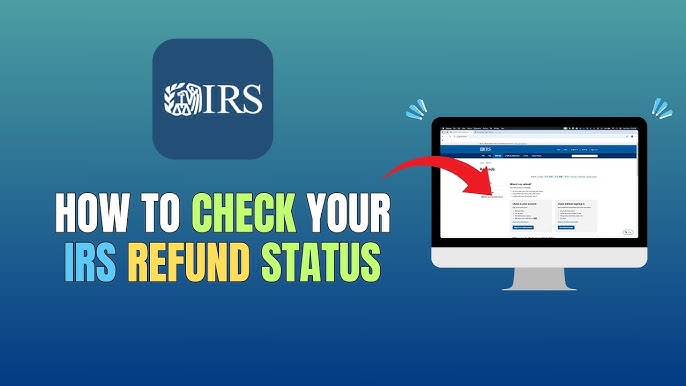
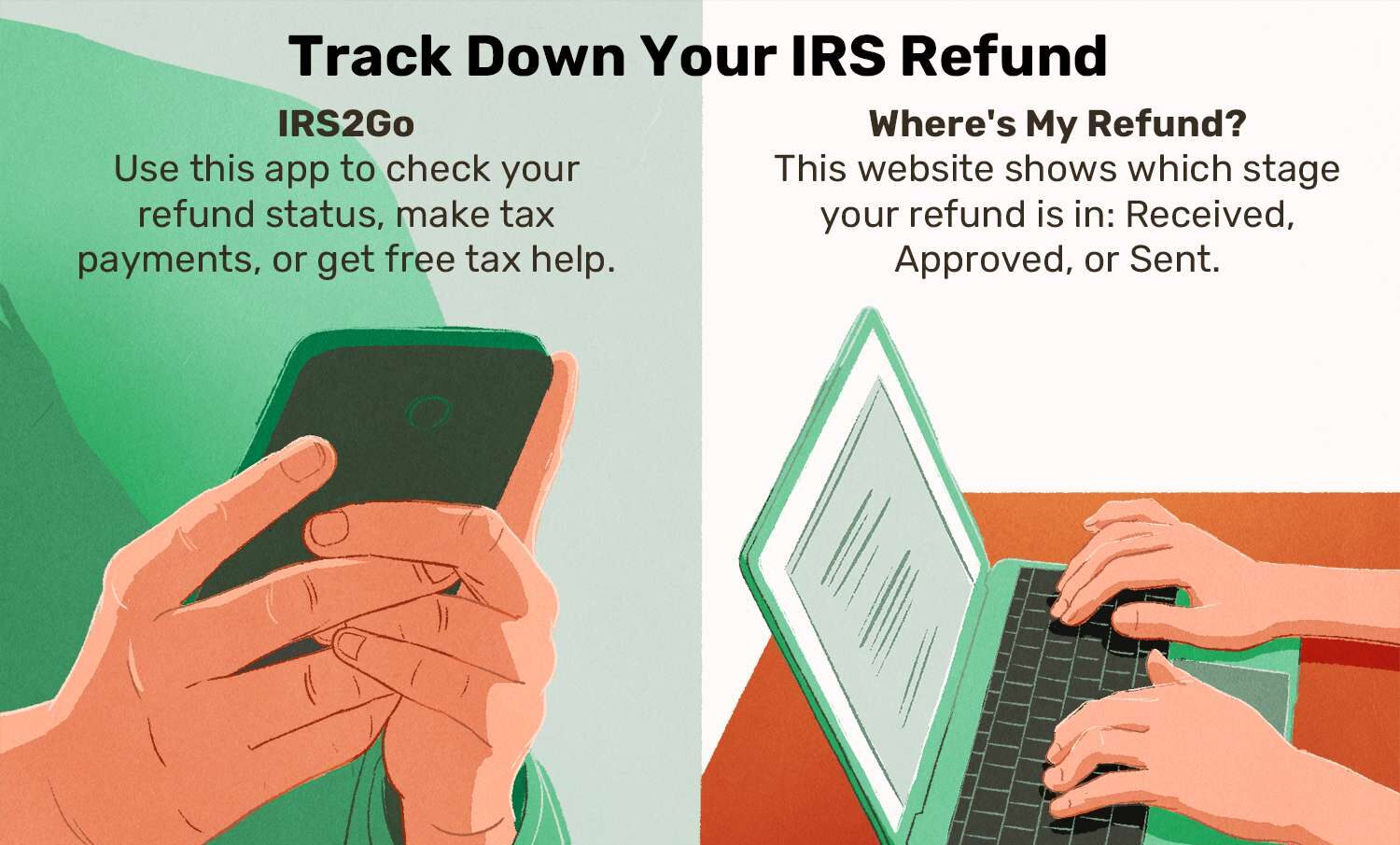
The easiest way to track my refund is through the IRS online tracking system. This free service provides the latest refund status information directly from the IRS database.
You can access the official IRS refund tracker here:
IRS Where’s My Refund Tool
To use the system successfully, you need:
- Your Social Security Number or ITIN
- Filing status
- Exact refund amount
The system typically displays three stages:
Return Received
This means the IRS has accepted your return and started processing it. At this stage, taxpayers often begin searching track my refund because they want to know how long the approval process will take.
Refund Approved
Once your refund is approved, the IRS prepares your payment. The system may show an expected direct deposit date.
Refund Sent
This means the IRS has issued your payment through direct deposit or mailed check.
Most taxpayers who e-file with direct deposit receive refunds faster than those who file paper returns. If you want to track my refund effectively, electronic filing remains the best option.
Common Reasons Your Refund May Be Delayed
One of the biggest frustrations taxpayers face while trying to track my refund is seeing no movement in the status updates. Refund delays happen for many reasons, and understanding them can help you avoid panic.
Incorrect Tax Information
Simple errors such as incorrect Social Security numbers, math mistakes, or mismatched names can slow processing significantly.
Claiming Tax Credits
Returns claiming credits like the Earned Income Tax Credit (EITC) or Additional Child Tax Credit often face additional review.
Identity Verification
The IRS may request identity verification if suspicious activity is detected. This security measure protects taxpayers from fraud.
Paper Filing Delays
Paper returns take much longer to process than e-filed returns. Taxpayers who mail documents may wait several weeks before they can properly track my refund online.
Bank Account Errors
Incorrect routing or account numbers can create payment complications and delays.
If your refund status remains unchanged for more than 21 days after e-filing, it may be time to contact a tax professional for assistance.
Best Tips to Receive Your Refund Faster
If you want to avoid unnecessary waiting while trying to track my refund, there are several smart strategies you should follow before filing your taxes.
File Electronically
E-filing dramatically reduces processing errors and speeds up IRS acceptance.
Choose Direct Deposit
Direct deposit is much faster than receiving a paper check in the mail.
Double-Check Your Return
Carefully review all information before submitting your tax return.
File Early
Tax season becomes busier closer to deadlines. Filing early helps avoid system congestion and delays.
Work With Professionals
Professional tax preparation services can help reduce filing mistakes and improve accuracy.
At Syed Professional Services, we help taxpayers file accurate returns and avoid the most common issues that slow down the ability to track my refund successfully.
Understanding IRS Refund Status Messages
Many taxpayers become confused by IRS messages while trying to track my refund online. Some updates sound alarming even though they are completely normal.
Here are some common messages and what they mean:
“Your Tax Return Is Still Being Processed”
This message usually means the IRS needs more time to complete the review process.
“Refund Approved”
Good news — your payment has been authorized and is scheduled for release.
“Refund Sent”
Your payment has been issued to your bank account or mailed to your address.
“Topic 152”
This simply refers to general refund information and is usually not a negative sign.
“Reference Code 9001”
This may indicate identity verification requirements.
When using the IRS system to track my refund, always remain patient because updates happen only once daily.
How Long Does It Take to Get a Tax Refund?
The timeline to track my refund depends on how you filed your return and whether the IRS detects any issues.
Here are average timelines:
| Filing Method | Estimated Refund Time |
|---|---|
| E-file + Direct Deposit | 1–3 Weeks |
| E-file + Paper Check | 3–4 Weeks |
| Paper Return + Direct Deposit | 4–8 Weeks |
| Paper Return + Paper Check | 6–10 Weeks |
Taxpayers who submit incomplete or inaccurate information may experience even longer delays.
The fastest way to track my refund successfully is by e-filing early and choosing direct deposit.
What to Do If Your Refund Is Missing
Sometimes taxpayers become worried because they cannot successfully track my refund after several weeks. In some situations, refunds may be delayed, returned, or adjusted.
Here are the steps you should take:
Verify Your Information
Double-check your Social Security number, filing status, and refund amount.
Contact Your Bank
Sometimes banks temporarily hold deposits before posting them.
Review IRS Notices
The IRS may send letters requesting additional documentation.
Speak With a Tax Professional
Professional assistance can help identify filing issues quickly.
Contact the IRS
If necessary, taxpayers can contact the IRS directly for updates.
Many taxpayers panic too quickly when trying to track my refund, but delays are often temporary and easily resolved.
Can You Track State Tax Refunds Too?
Yes, most states also offer online systems similar to the IRS refund tracker. Taxpayers can use these portals to track my refund status for state income taxes.
Each state has different refund processing timelines and tracking systems. Generally, you will need:
- Social Security Number
- Refund amount
- Filing year
If you filed both federal and state returns, remember that refund timelines may differ significantly.
Professional tax services can help you understand how to track my refund for both federal and state returns without confusion.
Benefits of Professional Tax Preparation Services
Many taxpayers attempt to file taxes independently to save money. Unfortunately, small mistakes often create refund delays, audits, or processing problems.
Professional tax services offer several advantages:
Improved Accuracy
Tax professionals understand IRS rules and reduce filing errors.
Faster Refund Processing
Accurate returns are processed more quickly.
Better Tax Planning
Professionals identify credits and deductions you may overlook.
Reduced Stress
You receive expert guidance throughout tax season.
Personalized Support
If problems occur while trying to track my refund, professional assistance can save valuable time.
At Syed Professional Services, our experienced team helps individuals, families, and business owners file taxes confidently and efficiently.
How Immigration Status Can Affect Tax Refunds
Immigration status may also influence how taxpayers track my refund and file returns. Individuals using ITIN numbers instead of Social Security numbers may experience different processing timelines.
Nonresident aliens, visa holders, and immigrant workers should ensure:
- Correct filing status
- Accurate residency classification
- Proper documentation
- Updated identification records
Mistakes involving immigration-related tax filings can trigger delays or IRS notices.
Working with experienced professionals who understand both immigration and tax laws can help taxpayers avoid unnecessary complications while attempting to track my refund.
Smart Ways to Avoid Refund Problems in the Future
If you want future tax seasons to go smoothly, preparation is essential. Many refund issues happen because taxpayers wait until the last minute.
Here are practical ways to simplify future filings:
- Keep organized tax records year-round
- Update personal information promptly
- Save all IRS notices
- Respond quickly to verification requests
- Avoid filing incomplete returns
- Use trusted tax professionals
Taxpayers who stay proactive usually experience fewer delays when trying to track my refund every year.
Frequently Asked Questions
How soon can I track my refund after filing taxes?
Most taxpayers can begin to track my refund within 24 hours after e-filing or four weeks after mailing a paper return.
Why is my refund taking longer than 21 days?
Refunds may be delayed because of identity verification, tax credit reviews, filing mistakes, or paper processing delays.
Can I track my refund on weekends?
Yes, but the IRS generally updates refund information once daily overnight.
What information do I need to track my refund?
You need your Social Security Number or ITIN, filing status, and exact refund amount.
Does direct deposit make refunds faster?
Yes, direct deposit is usually the fastest refund delivery method available.
Should I worry if my refund status does not change?
Not always. Many returns simply require additional processing time.
Conclusion
Waiting for a tax refund can feel stressful, especially when financial responsibilities are piling up. Fortunately, modern IRS tracking tools make it easier than ever to track my refund accurately and securely.
By filing electronically, choosing direct deposit, reviewing your return carefully, and staying informed, you can reduce delays and receive your refund faster. Understanding the refund process also helps eliminate confusion and unnecessary stress during tax season.
At Syed Professional Services, we are committed to helping taxpayers navigate taxes, accounting, and immigration matters confidently. Whether you need assistance filing taxes, resolving IRS issues, or learning how to track my refund, our experienced team is here to help.

