

Introduction
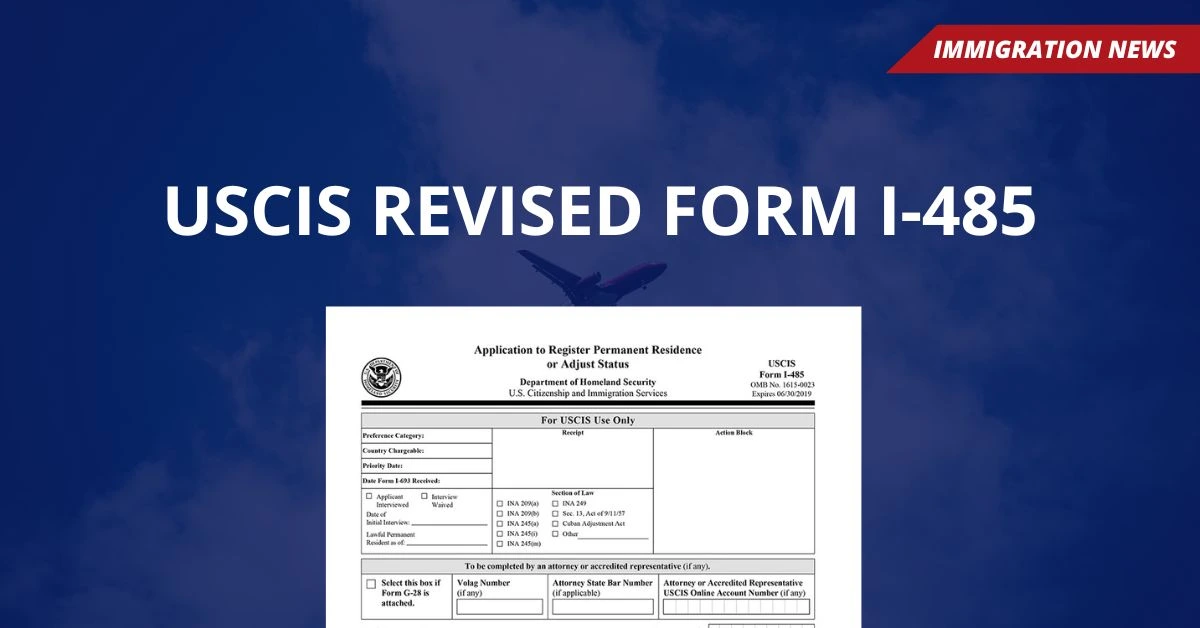
The I-485 form, officially known as the Application to Register Permanent Residence or Adjust Status, is a critical step in obtaining a green card in the United States. Whether you are applying through family, employment, or other pathways, understanding the intricacies of the I-485 process is essential. A single mistake can lead to delays, requests for additional evidence, or even denials.
In this comprehensive guide, we’ll break down the I-485 process, highlight common pitfalls, and provide practical tips to help you navigate your application confidently. By following these strategies, you can increase your chances of a smooth and successful application.
Understanding the I-485 Form
The I-485 form allows certain individuals in the U.S. to apply for lawful permanent residency without leaving the country. It is part of the adjustment of status process and is closely linked with other immigration forms like I-130 (Petition for Alien Relative) or I-140 (Immigrant Petition for Alien Worker).
Filling out the I-485 accurately is crucial. The form requires detailed personal information, employment history, family details, and background information. One common issue applicants face is inconsistent data between supporting documents and the I-485 form, which can trigger Requests for Evidence (RFEs) or delays.
Eligibility for I-485
To successfully file an I-485, you must meet eligibility criteria. These vary depending on your immigration pathway:
- Family-based I-485: Must have an approved I-130 petition and be eligible as an immediate relative or under the family preference categories.
- Employment-based I-485: Must have an approved I-140 petition and meet visa availability requirements.
- Special categories: Includes refugees, asylees, or other humanitarian-based applicants.
Understanding your eligibility before submitting the I-485 prevents wasted fees and reduces the risk of denial.
Common Mistakes to Avoid in I-485
Many applicants make mistakes that can hinder their I-485 approval. Some common errors include:
- Leaving fields blank or providing incomplete information
- Failing to provide proper supporting documentation
- Misreporting dates or names inconsistent with prior immigration forms
- Missing deadlines for submission or biometrics appointments
- Not disclosing criminal history or immigration violations
Avoiding these pitfalls can save time and prevent unnecessary stress during the I-485 process.
Step-by-Step Guide to Filing I-485
Filing your I-485 requires careful preparation and organization. Here’s a detailed step-by-step approach:
- Determine Eligibility: Confirm your category (family, employment, refugee, etc.)
- Gather Documents: Collect birth certificates, passports, visas, prior immigration documents, and financial evidence.
- Complete Form I-485: Carefully fill in all required information; double-check for accuracy.
- Submit Form and Fees: Include the correct filing fee and mail to the proper USCIS address.
- Attend Biometrics Appointment: USCIS will schedule fingerprinting and background checks.
- Respond to RFEs Promptly: Provide any requested additional evidence quickly.
- Attend Interview (if required): Some applicants may have a USCIS interview.
- Receive Decision: USCIS will approve or deny your I-485 based on the evaluation of all evidence.
Strategies to Maximize Your I-485 Approval Chances
A well-prepared I-485 application increases the likelihood of success. Consider these strategies:
- Double-check all supporting documentation
- Ensure consistency across all forms (I-130, I-140, I 485)
- Keep copies of everything you submit
- Consult an immigration attorney for complex cases
- Stay informed about current USCIS processing times
These proactive steps can prevent delays and make the approval process smoother.
I 485 Processing Times and Updates
The I 485 processing time varies depending on the USCIS field office and application type. It can range from several months to over a year. Tracking your case online with your receipt number is recommended. Delays may occur due to high application volumes, missing documents, or requests for additional evidence.
Impact of I 485 Denials and How to Handle Them
While many applicants successfully adjust status, denials do happen. Common reasons include:
- Ineligibility due to immigration violations
- Incomplete or inaccurate forms
- Criminal history issues
- Failure to provide requested evidence
If your I 485 is denied, options may include filing a motion to reopen, appealing the decision, or exploring alternative immigration pathways. Consulting with an immigration expert is strongly advised in these scenarios.
I 485 and Travel Considerations
Applicants with pending I 485 forms must understand travel restrictions. Leaving the U.S. without an approved Advance Parole document can be considered abandonment of the I 485 application. Planning travel carefully ensures you don’t jeopardize your green card process.
Frequently Asked Questions About I 485
What is the I 485 form used for?
It is used to apply for a green card while staying in the U.S. through adjustment of status.
Can I file I 485 without an approved I-130?
Usually, no. Family-based applicants require an approved I-130.
How long does I 485 processing take?
Processing times vary but typically range from 8 months to 18 months.
Can I work while my I 485 is pending?
Yes, with a valid Employment Authorization Document (EAD).
Do I need an attorney for I 485?
Not required, but highly recommended for complex cases.
What happens if my I 485 is denied?
You may appeal, file a motion to reopen, or explore alternative immigration options.
Conclusion
The I 485 process can seem overwhelming, but with the right preparation and guidance, it can be navigated successfully. From understanding eligibility to avoiding common mistakes, every step matters. By staying organized, using expert tips, and closely following USCIS guidelines, you can maximize your chances of obtaining lawful permanent residency.
Whether you are filing through family, employment, or other pathways, taking a strategic approach to your I 485 application is key to achieving your American dream.

