
15 Powerful Steps on How to File Taxes: Avoid Costly Mistakes and Maximize Your Tax Refund
Introduction
Every year, millions of Americans ask the same important question: how to file taxes correctly and efficiently. Whether you’re filing for the first time, changing jobs, running a small business, working as an independent contractor, or simply looking to maximize your tax refund, understanding how to file taxes is essential. Filing an accurate tax return not only helps you comply with IRS regulations but also ensures you claim every deduction and credit you’re legally entitled to receive.
The tax filing process may seem overwhelming because it involves collecting financial documents, determining your filing status, reporting income, claiming deductions, calculating credits, and submitting your return before the deadline. Fortunately, learning how to file taxes becomes much easier when you break the process into manageable steps. Proper preparation can reduce stress, prevent costly mistakes, and minimize the risk of IRS notices or delayed refunds.
Many taxpayers miss valuable tax-saving opportunities simply because they are unfamiliar with available deductions, tax credits, recordkeeping requirements, or filing options. Others unknowingly make errors by reporting incorrect income, entering inaccurate personal information, or failing to include required documentation. Understanding how to file taxes properly helps avoid these common issues while improving filing accuracy and refund opportunities.
At Syed Professional Services, we provide professional tax preparation, accounting, bookkeeping, payroll, business consulting, and immigration support for individuals, families, self-employed professionals, and businesses throughout the United States. Our experienced tax professionals help clients understand how to file taxes, maintain compliance with IRS requirements, and make informed financial decisions. In this comprehensive guide, you’ll learn every step involved in how to file taxes, including required documents, filing methods, deductions, credits, deadlines, common mistakes, and best practices for a successful filing experience.
Why Learning How to File Taxes Matters
Understanding how to file taxes offers benefits beyond simply meeting IRS requirements.
Proper tax filing helps you:
- Comply with federal tax laws.
- Maximize eligible deductions.
- Claim valuable tax credits.
- Reduce filing errors.
- Receive refunds more quickly.
- Maintain accurate financial records.
Learning how to file taxes empowers taxpayers to make informed financial decisions year after year.
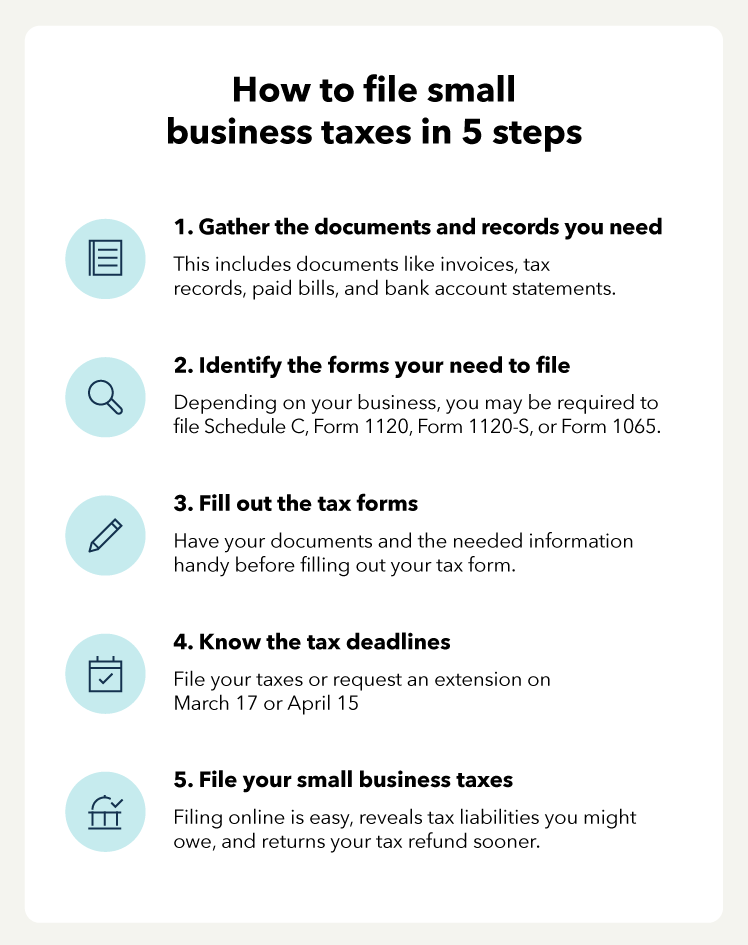
Gather the Documents You Need
Before learning how to file taxes, collect all necessary financial documents.
Common tax documents include:
Form W-2
Reports wages earned from employers.
Form 1099
Reports independent contractor income, investment income, retirement distributions, and other earnings.
Interest and Dividend Statements
Report investment income.
Mortgage Interest Statements
May support itemized deductions.
Charitable Donation Records
Document eligible charitable contributions.
Having complete records makes the filing process much smoother.
Determine Your Filing Status
Choosing the correct filing status is an important part of how to file taxes.
Common filing statuses include:
Single
For unmarried individuals.
Married Filing Jointly
Often offers significant tax advantages.
Married Filing Separately
May benefit certain situations.
Head of Household
Available for qualifying taxpayers.
Qualifying Surviving Spouse
Applies in limited circumstances.
Your filing status affects tax rates, deductions, and credits.
Report All Taxable Income
A major step in how to file taxes is accurately reporting income.
Income may include:
- Wages
- Self-employment earnings
- Freelance income
- Rental income
- Investment income
- Retirement distributions
- Unemployment benefits
- Business income
Reporting complete and accurate income helps avoid IRS notices.
Understand Tax Deductions
Knowing available deductions is an essential part of how to file taxes.
Common deductions include:
Standard Deduction
Available to most taxpayers.
Itemized Deductions
Include eligible expenses such as mortgage interest and charitable donations.
Business Expenses
Apply to self-employed individuals.
Student Loan Interest
May reduce taxable income.
Retirement Contributions
Certain contributions may qualify.
Proper deductions reduce taxable income.
Claim Tax Credits
Tax credits can significantly reduce tax liability.
Common credits include:
Child Tax Credit
Supports qualifying families.
Earned Income Tax Credit
Benefits eligible workers.
Education Credits
Help offset education costs.
Child and Dependent Care Credit
Supports working families.
Energy Credits
Available for certain qualifying improvements.
Understanding credits improves overall tax savings.
Choose Your Filing Method
When deciding how to file taxes, taxpayers generally have several options.
File Electronically
Fast and efficient.
Use Professional Tax Preparation
Receive expert assistance.
Prepare Returns Independently
Suitable for straightforward tax situations.
Request an Extension
Provides additional filing time when necessary.
Selecting the right filing method depends on individual circumstances.
Common Tax Filing Mistakes
Many taxpayers make avoidable errors while learning how to file taxes.
Examples include:
Incorrect Social Security Numbers
Verify personal information carefully.
Missing Income
Report all required earnings.
Math Errors
Double-check calculations.
Forgotten Signatures
Complete required signatures before submission.
Incorrect Bank Information
Verify direct deposit details.
Careful review reduces filing delays.
IRS Deadlines and Recordkeeping
Meeting deadlines is an important part of how to file taxes.
Taxpayers should:
- File on time.
- Pay taxes owed promptly.
- Retain supporting documents.
- Maintain organized financial records.
- Keep copies of filed returns.
Good recordkeeping supports future filings and potential audits.
Why Professional Tax Preparation Helps
Many individuals benefit from professional guidance when learning how to file taxes.
Professional assistance may help with:
- Complex tax situations
- Self-employment income
- Rental properties
- Business taxes
- Tax planning
- IRS correspondence
Experienced professionals help improve filing accuracy.

Why Choose Syed Professional Services
At Syed Professional Services, we provide comprehensive financial and tax solutions designed to simplify how to file taxes while helping clients remain compliant with IRS requirements.
Our services include:
- Individual tax preparation
- Business tax preparation
- Accounting
- Bookkeeping
- Payroll services
- Tax planning
- IRS assistance
- Immigration document preparation
- Business consulting
- Financial guidance
Our experienced professionals work closely with individuals, families, entrepreneurs, and businesses to provide personalized solutions that maximize tax savings and minimize filing stress.
Frequently Asked Questions
How do I know how to file taxes?
Learning how to file taxes begins by gathering income documents, selecting the correct filing status, reporting all taxable income, claiming eligible deductions and credits, and submitting your return before the filing deadline.
Can I file taxes electronically?
Yes. Electronic filing is one of the fastest and most accurate methods available.
What documents are needed?
Common documents include W-2s, 1099s, investment statements, mortgage records, charitable donation receipts, and other income documentation.
Should I claim the standard deduction or itemize?
The answer depends on your financial situation and eligible deductible expenses.
What happens if I file late?
Late filing may result in penalties and interest if taxes are owed.
Why choose Syed Professional Services?
Syed Professional Services provides professional tax preparation, accounting, bookkeeping, payroll, business consulting, immigration document preparation, and personalized financial guidance to help clients confidently understand how to file taxes while maximizing tax savings.
Conclusion
Understanding how to file taxes is one of the most valuable financial skills every taxpayer can develop. By gathering accurate records, selecting the appropriate filing status, reporting income correctly, claiming eligible deductions and credits, and submitting returns on time, individuals can remain compliant with IRS regulations while improving their financial outcomes. Careful preparation also helps reduce errors, prevent unnecessary delays, and maximize available refunds.
Tax laws continue to evolve, making ongoing education and professional guidance increasingly important. Whether you have a simple wage-based return or a more complex financial situation involving self-employment, investments, rental income, or business ownership, understanding how to file taxes ensures you make informed decisions that support your long-term financial goals.
At Syed Professional Services, we are committed to helping individuals, families, and businesses successfully navigate every stage of how to file taxes. Through expert tax preparation, accounting, bookkeeping, payroll, immigration support, business consulting, and proactive tax planning, our experienced professionals provide reliable, personalized solutions tailored to your unique needs. Partner with Syed Professional Services for trusted guidance, accurate tax filings, and year-round financial support that helps you achieve confidence and peace of mind.

