


10 Powerful IRS Taxes Strategies to Maximize Savings and Avoid Costly Filing Mistakes
Understanding irs taxes is one of the most important responsibilities for individuals, families, self-employed professionals, and business owners in the United States. Every year, millions of taxpayers must file tax returns, report income accurately, claim eligible deductions and credits, and comply with Internal Revenue Service (IRS) regulations. Staying informed about irs taxes can help you avoid penalties, reduce tax liability, and make smarter financial decisions.
Although the U.S. tax system can seem complicated, having a clear understanding of tax rules, filing deadlines, available deductions, and IRS requirements makes the process much easier. Whether you are filing your first return, managing a growing business, or planning for retirement, proper tax planning is essential for long-term financial success.
At Syed Professional Services, we provide professional tax preparation, accounting, bookkeeping, payroll, and immigration support. Our experienced professionals help individuals and businesses navigate irs taxes with confidence while ensuring accurate filing and compliance with current tax laws.
This guide explains what irs taxes are, who must file, common tax forms, deductions, credits, payment options, and practical strategies to help you stay compliant while minimizing unnecessary tax burdens.
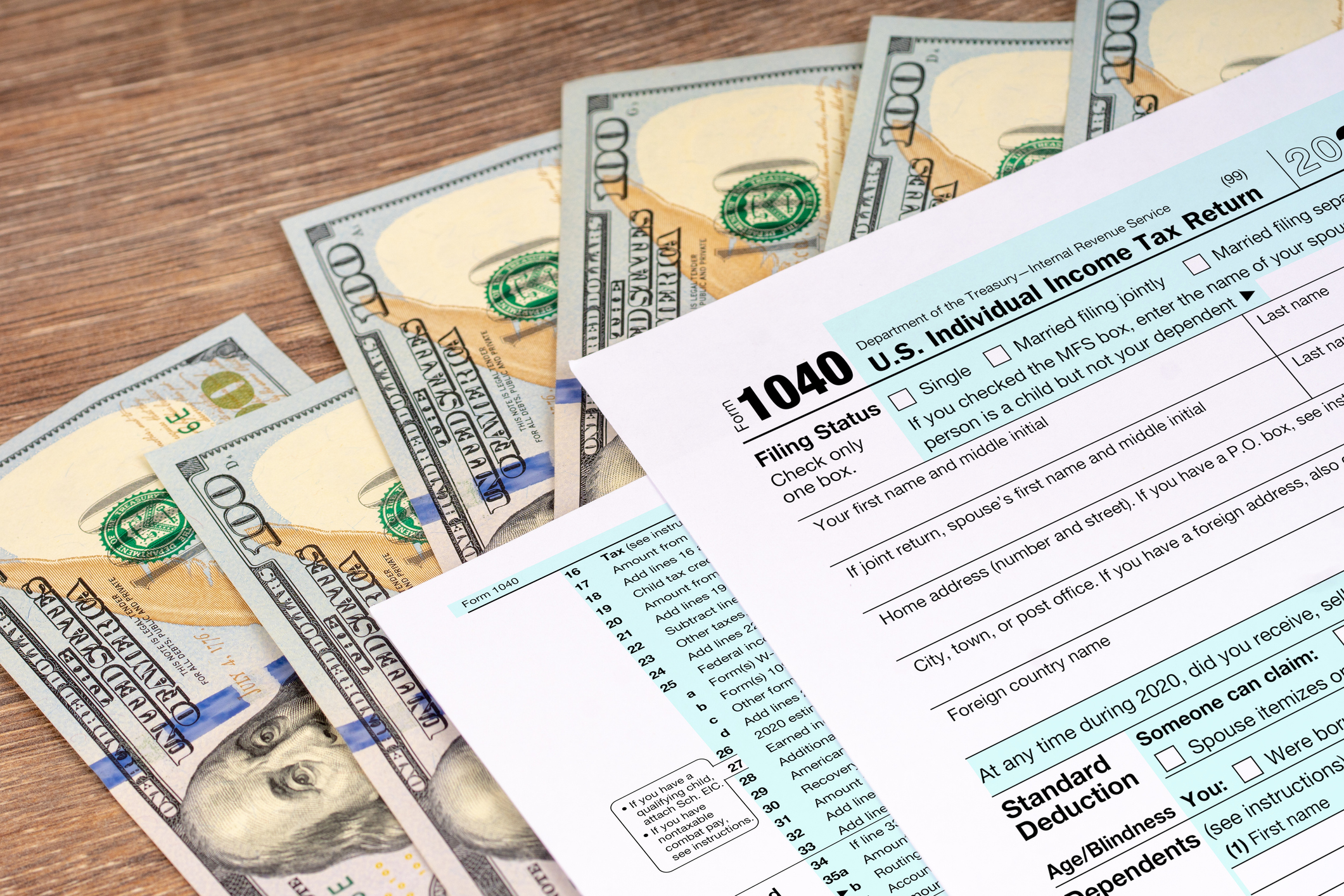
What Are IRS Taxes?
IRS taxes refer to federal taxes administered and collected by the Internal Revenue Service. These taxes fund essential government programs and services, including national defense, infrastructure, healthcare programs, education initiatives, and public safety.
Several types of irs taxes exist, including:
- Individual income taxes
- Corporate income taxes
- Payroll taxes
- Self-employment taxes
- Capital gains taxes
- Estate and gift taxes
- Excise taxes
Each taxpayer’s obligations depend on factors such as income, filing status, business activities, investments, and other financial circumstances.
Understanding how irs taxes apply to your situation helps ensure accurate reporting and timely compliance.
Who Must Pay IRS Taxes?
Most individuals and businesses earning taxable income in the United States must comply with irs taxes requirements.
Taxpayers commonly include:
Individual Employees
Workers earning wages generally have federal income tax withheld from each paycheck.
Self-Employed Individuals
Freelancers, consultants, contractors, and sole proprietors often pay estimated irs taxes throughout the year.
Business Owners
Corporations, partnerships, LLCs, and other business entities have varying federal tax responsibilities depending on their legal structure.
Investors
Individuals earning dividends, interest, rental income, or capital gains may owe additional federal taxes.
Retirees
Depending on income sources, retirees may still be required to report income and pay applicable irs taxes.
Understanding your filing obligations helps prevent unnecessary penalties and interest.
Common IRS Tax Forms
The IRS uses numerous tax forms depending on a taxpayer’s financial circumstances.
Some of the most common include:
Form 1040
Used by most individual taxpayers to file annual federal income tax returns.
Form W-2
Reports wages earned and taxes withheld by employers.
Form 1099
Reports various types of non-employee income, interest, dividends, freelance earnings, and other payments.
Schedule C
Used by sole proprietors to report business income and expenses.
Schedule SE
Calculates self-employment taxes.
Selecting the appropriate forms is an important part of accurately filing irs taxes.
Understanding Tax Deductions
Tax deductions reduce taxable income, which may lower your total tax liability.
Common deductions include:
- Mortgage interest
- Student loan interest
- Charitable contributions
- Retirement contributions
- Qualified business expenses
- Health Savings Account (HSA) contributions
- Self-employed health insurance premiums
Maintaining organized financial records helps support deduction claims during tax preparation.
Tax Credits That May Reduce IRS Taxes
Unlike deductions, tax credits directly reduce the amount of tax owed.
Examples include:
- Child Tax Credit
- Earned Income Tax Credit
- American Opportunity Tax Credit
- Lifetime Learning Credit
- Child and Dependent Care Credit
- Energy-efficient home credits
Understanding available credits can significantly reduce irs taxes for eligible taxpayers.
Common IRS Tax Filing Mistakes
Many taxpayers make avoidable mistakes that delay processing or result in IRS notices.
Common errors include:
- Incorrect Social Security Numbers
- Filing under the wrong filing status
- Mathematical mistakes
- Missing signatures
- Omitting income
- Claiming unsupported deductions
- Missing filing deadlines
- Incorrect bank account information for refunds
Reviewing your return carefully before filing helps reduce these issues.
Benefits of Professional Tax Preparation
While many taxpayers prepare returns independently, professional assistance provides valuable advantages.
Professional tax services help:
- Improve filing accuracy
- Identify available deductions
- Maximize eligible credits
- Reduce filing errors
- Support IRS compliance
- Assist with complex tax situations
- Provide year-round tax planning
Working with experienced professionals often simplifies the filing process while reducing stress.
How Syed Professional Services Can Help
At Syed Professional Services, we provide comprehensive tax, accounting, bookkeeping, payroll, and immigration support tailored to individuals, families, and businesses.
Our services include:
- Individual tax preparation
- Business tax preparation
- IRS correspondence assistance
- Bookkeeping
- Payroll services
- Accounting
- Business formation support
- Tax planning
- Immigration document preparation
Our experienced professionals work closely with clients to simplify irs taxes, improve compliance, and support long-term financial success.

Frequently Asked Questions
What are IRS taxes?
IRS taxes are federal taxes administered by the Internal Revenue Service and include income, payroll, self-employment, and other federal tax obligations.
Who must file IRS taxes?
Most individuals and businesses earning taxable income in the United States must file according to IRS requirements.
Can deductions reduce IRS taxes?
Yes. Eligible deductions reduce taxable income, potentially lowering your overall tax liability.
What is the difference between a deduction and a tax credit?
A deduction lowers taxable income, while a tax credit directly reduces the amount of tax owed.
Why should I work with a tax professional?
Professional tax preparation helps improve accuracy, maximize deductions and credits, and reduce costly filing errors.
Conclusion
Successfully managing irs taxes requires more than filing a return once a year. It involves understanding filing requirements, maintaining accurate financial records, taking advantage of eligible deductions and credits, and planning ahead to minimize future tax obligations.
Whether you are an employee, self-employed professional, investor, or business owner, staying informed about federal tax rules can help you avoid costly mistakes and make more confident financial decisions.
At Syed Professional Services, we are committed to helping clients navigate irs taxes through reliable tax preparation, accounting, bookkeeping, payroll, and year-round tax planning services. Our goal is to simplify the tax process so you can focus on your financial future with confidence.

