

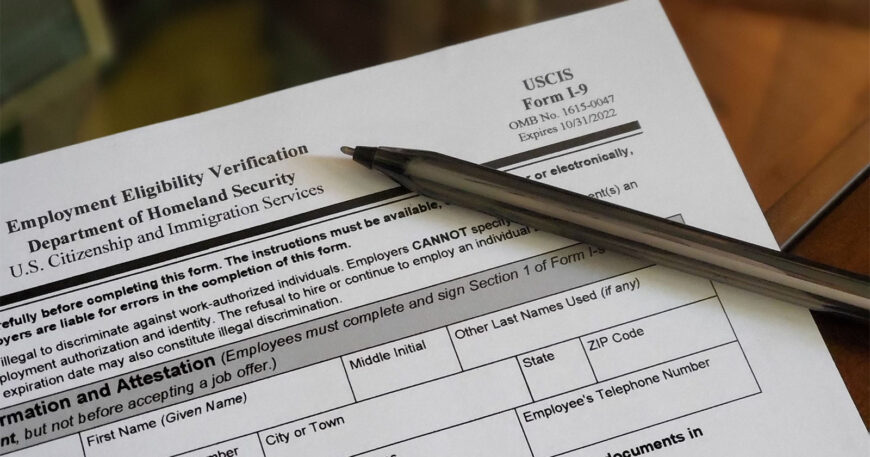
7 Powerful Ways the i9 Form Prevents Costly Immigration Mistakes: Complete Employer Guide
Employment eligibility verification is an important responsibility for employers in the United States. Every company hiring employees must understand the correct process for verifying identity and work authorization. One of the most important documents used for this purpose is the i9 form.
The i9 form helps employers confirm that new employees are legally authorized to work in the United States. Although the process may appear simple, mistakes in completing, storing, or managing employment verification records can create unnecessary compliance problems.
For employers, business owners, and employees, understanding the requirements of the i9 form can help prevent errors, improve recordkeeping, and support a smoother hiring process.
This complete guide explains what the i9 form is, why it matters, who needs to complete it, common mistakes, employer responsibilities, and practical tips for maintaining compliance.
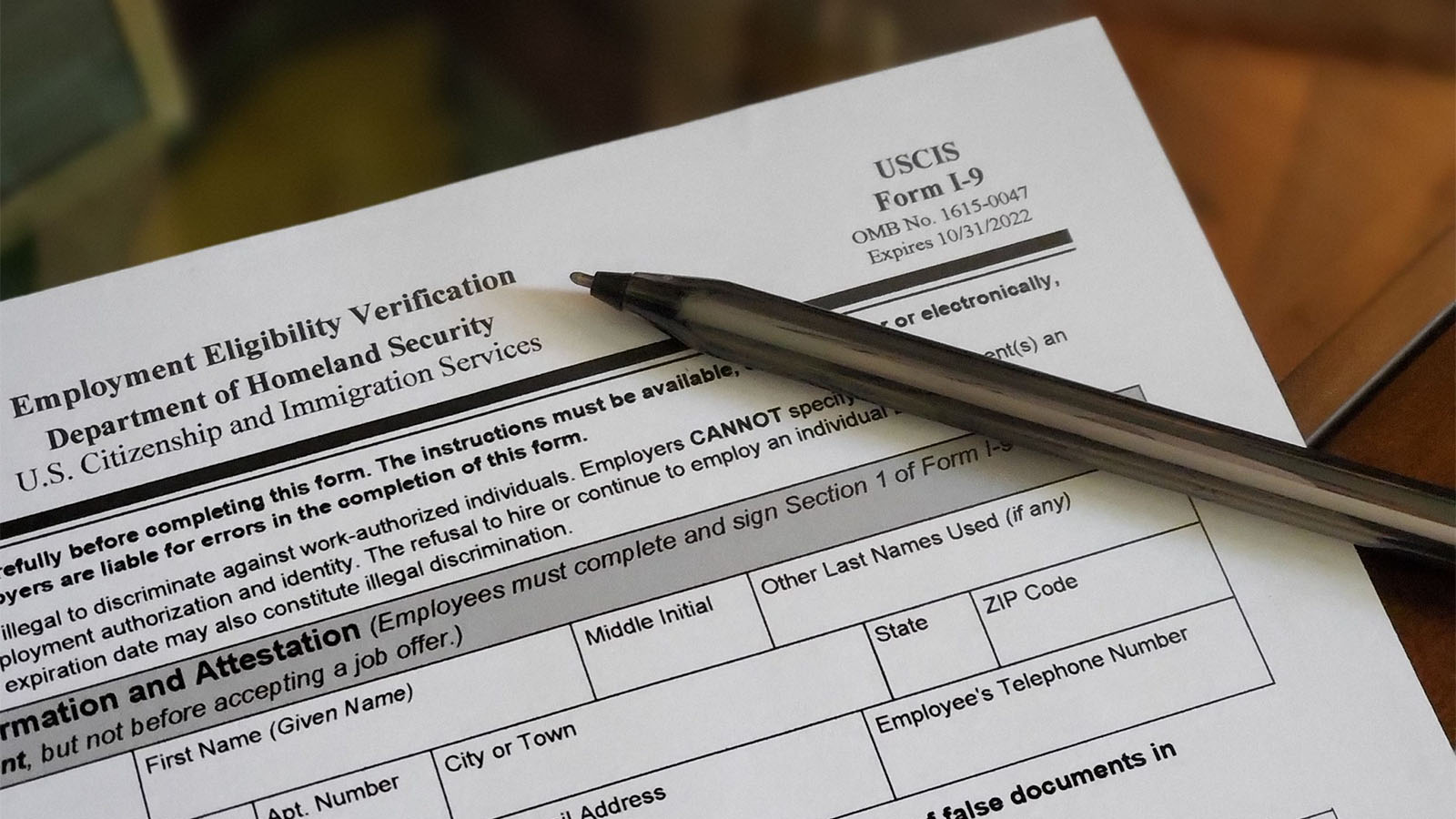
What Is an i9 Form?
The i9 form is an employment eligibility verification document used by employers in the United States to verify the identity and employment authorization of individuals hired for work.
The purpose of the i9 form is to ensure that employees provide acceptable documentation showing both who they are and whether they are permitted to work in the country.
Employers must complete the verification process for most new employees after they begin employment. The document is not an application for immigration status or a tax form. Instead, it is a record that confirms employment eligibility.
Many employers confuse immigration paperwork, tax documents, and employment verification forms. Understanding the difference between these documents is essential for maintaining proper business compliance.
Why Is the i9 Form Important for Employers?
The i9 form plays an important role in protecting businesses from employment eligibility violations. Employers have a responsibility to verify that their workers are authorized to work.
A properly completed i9 form helps businesses:
- Maintain accurate employee records
- Demonstrate compliance during government inspections
- Reduce the risk of employment verification penalties
- Create organized hiring procedures
- Support professional HR management
Ignoring i9 form requirements can create serious administrative challenges. Even small mistakes, such as missing information or incorrect dates, can cause compliance concerns.
For this reason, employers should develop a consistent process for completing and storing every i9 form.
Who Must Complete an i9 Form?
Most employees hired for work in the United States must complete an i9 form. The responsibility is shared between the employee and employer.
The employee must provide acceptable documents that prove identity and employment authorization. The employer must review those documents and properly complete the employer verification section.
The i9 form generally applies to:
- Full-time employees
- Part-time employees
- Temporary employees in many situations
- Certain remote workers depending on verification procedures
Independent contractors are usually treated differently because they are not considered employees under the standard employment verification process.
Employers should understand worker classifications before creating hiring procedures.
When Should the i9 Form Be Completed?
Timing is one of the most important parts of compliance.
Employees generally complete the employee portion of the i9 form after accepting a job offer and beginning employment. Employers must complete their review within the required timeframe.
Waiting too long to complete an i9 form can create compliance risks. Businesses should include the process as part of their standard onboarding checklist.
A strong onboarding system may include:
- Collecting employee information
- Providing the i9 form instructions
- Reviewing acceptable documentation
- Completing employer verification
- Storing records securely
Creating a repeatable process helps reduce mistakes and improves efficiency.
What Documents Are Used for the i9 Form?
The i9 form requires employees to provide documents that establish identity and employment authorization.
Documents are generally organized into categories:
List A Documents
These documents establish both identity and employment authorization.
Examples may include certain passports or other approved employment authorization documents.
List B Documents
These documents establish identity only.
Examples may include certain government-issued identification documents.
List C Documents
These documents establish employment authorization only.
Examples may include certain Social Security-related documents or other approved records.
Employees choose which acceptable documents to provide. Employers should not request specific documents beyond what is legally required.
Improper document requests can create discrimination concerns and compliance issues.
7 Powerful Benefits of Proper i9 Form Management
Managing the i9 form correctly provides several advantages for businesses.
1. Reduces Compliance Problems
A properly completed i9 form helps businesses maintain evidence that they followed employment verification requirements.
2. Improves Hiring Organization
A clear process makes onboarding easier for employers, managers, and employees.
3. Protects Business Reputation
Professional compliance practices show that a company takes legal responsibilities seriously.
4. Supports Accurate Recordkeeping
Organized employment records make it easier to respond to audits or internal reviews.
5. Saves Administrative Time
A consistent i9 form process reduces repeated corrections and missing information.
6. Helps Avoid Expensive Mistakes
Small errors can become larger administrative problems if they are ignored.
7. Creates Better Employee Experience
A smooth verification process helps new employees feel confident during onboarding.
Common i9 Form Mistakes Employers Should Avoid
Many businesses experience problems because of simple administrative errors.
Common mistakes include:
- Missing signatures
- Incorrect dates
- Incomplete employee information
- Failing to complete verification on time
- Accepting unacceptable documents
- Keeping records incorrectly
- Losing completed forms
Employers should regularly review their procedures to ensure every i-9 form is completed accurately.
Using professional assistance from qualified tax, accounting, or immigration service providers can help businesses improve their compliance systems.
How Long Should Employers Keep an i9 Form?
Employers must keep completed employment verification records for the required retention period.
Proper storage is important because employers may need to provide records during an inspection or compliance review.
Businesses should maintain secure systems that protect employee information while allowing authorized access when needed.
Good recordkeeping practices include:
- Storing forms separately from general personnel files when appropriate
- Limiting access to authorized individuals
- Protecting sensitive employee information
- Reviewing records regularly
A professional document management system can make maintaining the i-9 form easier.
Electronic i9 Form Management
Many businesses use digital systems to manage employment verification records.
Electronic i-9 form solutions may help employers:
- Organize employee records
- Reduce paperwork
- Improve tracking
- Maintain better security controls
- Support remote hiring processes
However, digital systems must still follow applicable requirements. Moving from paper records to electronic storage does not remove employer responsibilities.
Technology should support compliance, not replace careful review.
How Employees Can Prepare for the i9 Form Process
Employees can make the process easier by preparing the correct documentation before completing their i-9 form.
Helpful steps include:
- Reviewing acceptable document requirements
- Providing accurate personal information
- Asking questions if instructions are unclear
- Completing required sections carefully
Employees should avoid providing false information because inaccurate employment verification records can create serious consequences.
Understanding the purpose of the i-9 form helps employees complete the process confidently.
i9 Form Mistakes That Can Create Serious Problems
While many mistakes are administrative, some errors can create significant risks.
Examples include:
- Providing false documents
- Knowingly accepting invalid documentation
- Ignoring verification responsibilities
- Creating inaccurate records
Employers and employees should treat the i-9 form as an important legal document.
Professional guidance can help when situations involve complicated immigration circumstances, unusual employment situations, or questions about documentation.
How Syed Professional Services Can Help
Businesses and individuals often need reliable guidance when dealing with tax, accounting, and immigration-related responsibilities.
Syed Professional Services helps clients understand important compliance processes and organize their professional documentation.
Whether you are an employer managing employee records or an individual navigating immigration-related paperwork, professional support can help you make informed decisions.
A properly managed i-9 form process is one part of maintaining a responsible and organized business environment.
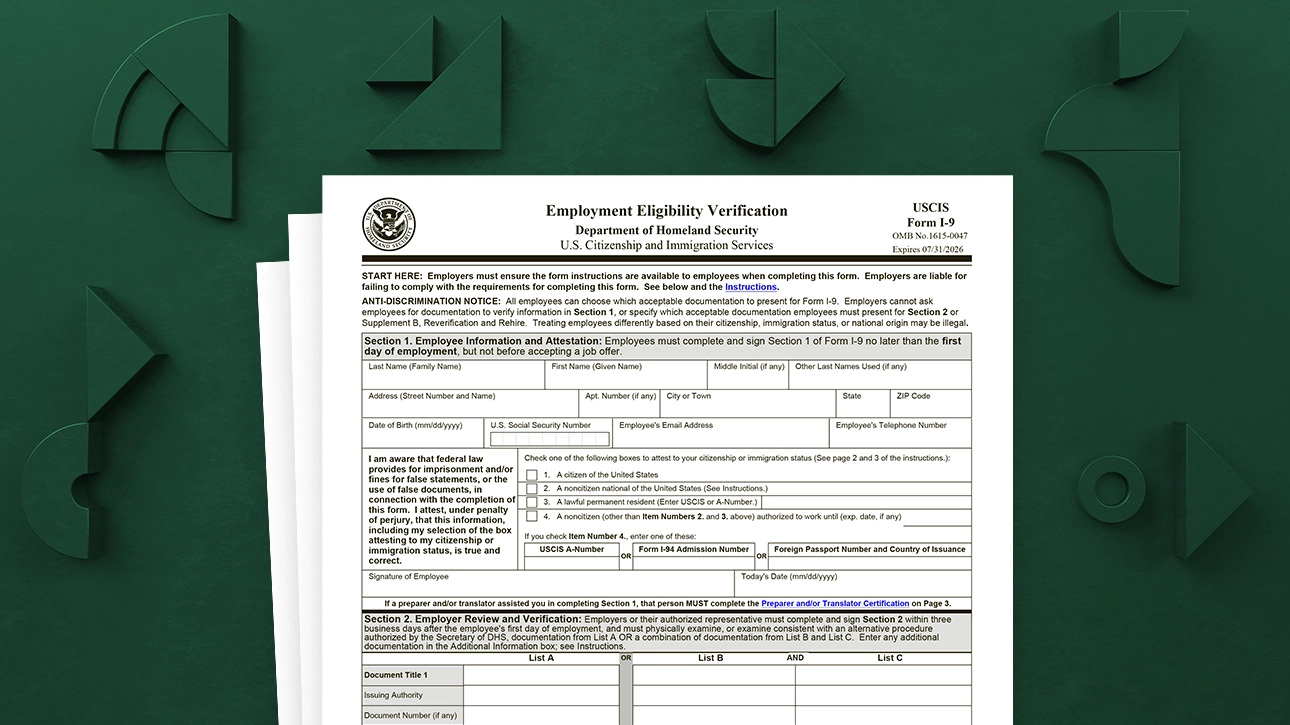
Frequently Asked Questions About the i9 Form
What is the purpose of an i-9 form?
The purpose of the i-9 form is to verify an employee’s identity and authorization to work in the United States.
Who completes the i-9 form?
Both the employee and employer have responsibilities when completing the i-9 form. The employee provides required information and documents, while the employer reviews and records verification details.
Is the i-9 form a tax document?
No. The i-9 form is not a tax document. It is an employment eligibility verification record.
Can employers ask employees for specific documents?
Employers generally cannot demand specific documents if the employee provides acceptable documents from the approved categories.
What happens if an employer makes mistakes on an i-9 form?
Mistakes may create compliance concerns. Employers should correct errors properly and maintain accurate records.
Do all workers need an i-9 form?
Most employees hired for work in the United States must complete employment eligibility verification requirements.
Can the i-9 form be completed electronically?
Yes, electronic systems may be used when they meet applicable requirements.
Conclusion
The i-9 form is an essential part of the employment verification process in the United States. Employers who understand the requirements can create better hiring procedures, maintain accurate records, and reduce unnecessary compliance risks.
From completing information correctly to storing records securely, every step matters. Employees also benefit from understanding their responsibilities and preparing the correct documentation.
For businesses and individuals who need assistance with tax, accounting, and immigration-related services, working with experienced professionals can make complex processes easier to manage.
A careful approach to the i-9 form helps create a stronger foundation for workplace compliance and responsible business operations.

