

7 Devastating IRS Transcripts Mistakes That Sabotage Your Tax and Immigration Case – Ultimate Guide
IRS transcripts are one of the most powerful documents in your financial and immigration file. They are the IRS’s official record of what you filed, what you paid, what was adjusted, and what remains outstanding. When you apply for a mortgage, respond to an IRS notice, or prepare an affidavit of support for a green card, IRS transcripts often become the single most scrutinized piece of evidence. Yet many taxpayers treat IRS transcripts as an afterthought—requesting the wrong type, failing to review them, or submitting them without reconciling them to their tax returns and immigration paperwork. At Syed Professional Services, we have seen a single IRS transcripts error delay an immigration case by months, trigger an audit, or damage a taxpayer’s credibility before USCIS. This guide exposes seven devastating IRS transcripts mistakes and shows you how to avoid them.
Whether you are preparing an I-864 Affidavit of Support, filing back taxes, or responding to an IRS notice, IRS transcripts are not optional supporting paper. They are the government’s version of your tax history. Understanding IRS transcripts—how to request them, read them, reconcile them, and protect them—is essential for tax accuracy and immigration success. With Syed Professional Services as your partner—combining tax, accounting, and immigration expertise—your IRS transcripts can become a foundation of confidence rather than a source of risk.
What Are IRS Transcripts and Why Do They Matter?
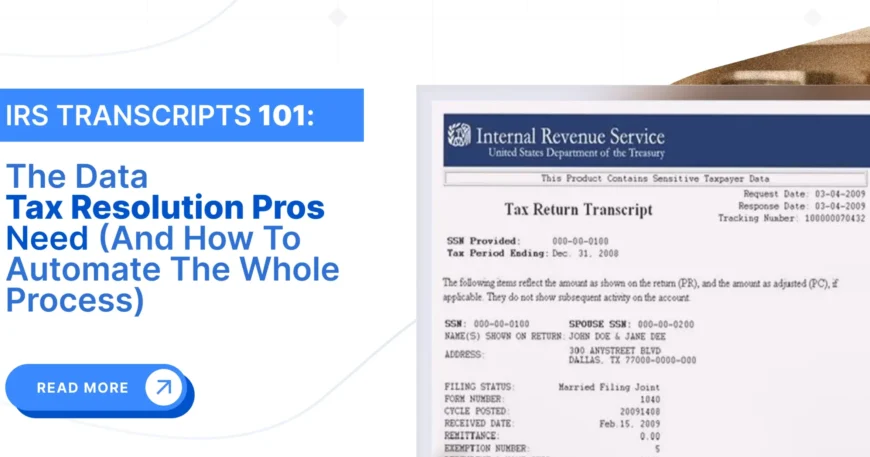
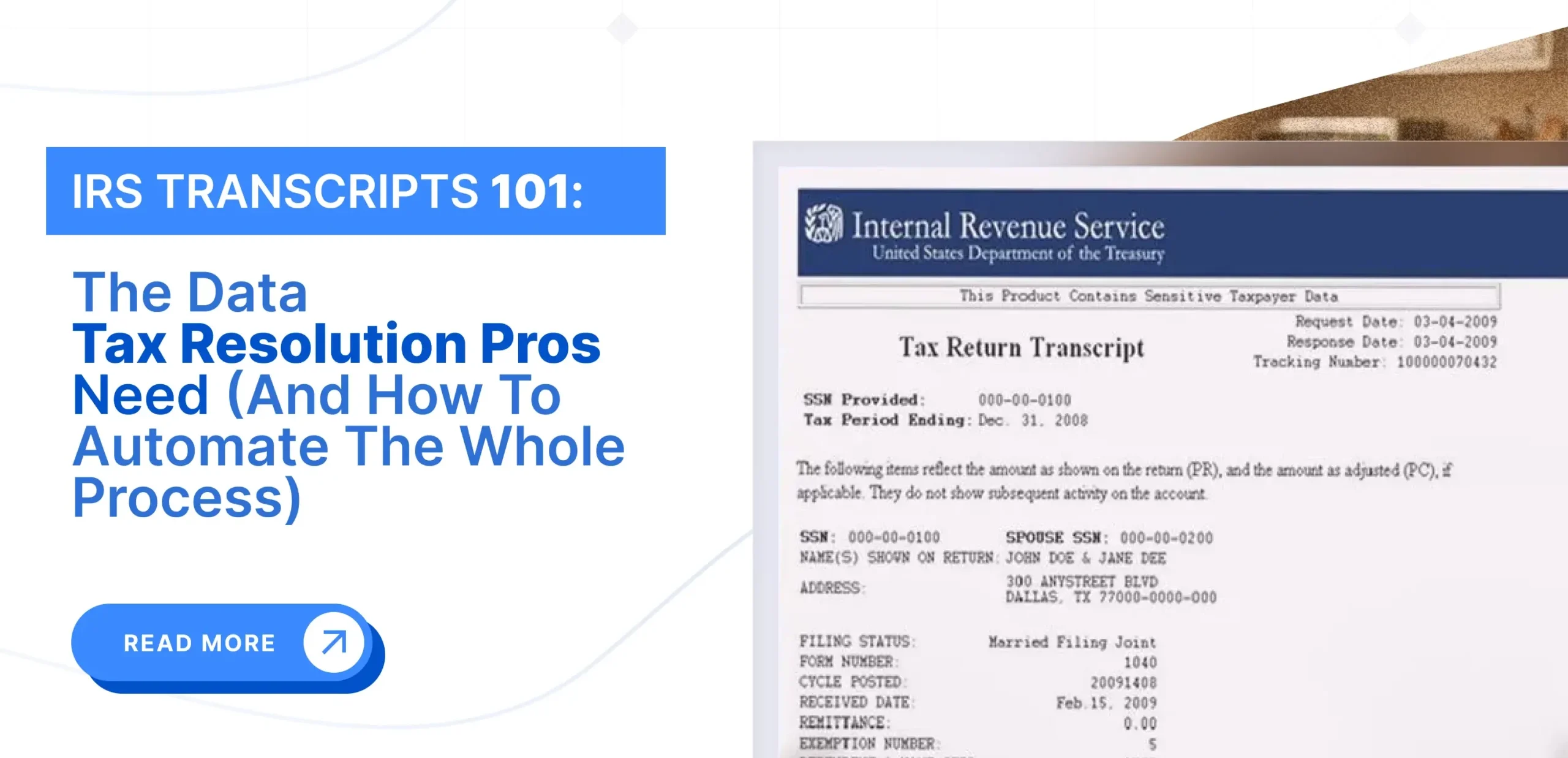
IRS transcripts are summaries of your tax return information produced by the Internal Revenue Service. Unlike a photocopy of your filed return, IRS transcripts show the data as the IRS processed it, including any adjustments, penalties, payments, and corrections made after filing. There are several types of IRS transcripts, and each serves a different purpose. The Tax Return Transcript shows most line items from your original return. The Tax Account Transcript shows changes made after filing, including payments, penalties, and adjustments. The Record of Account Transcript combines both. The Wage and Income Transcript shows information from W-2s, 1099s, and other income documents reported to the IRS.
IRS transcripts matter because they are the official, government-verified record of your tax compliance. When USCIS officers review an immigration case, they often request IRS transcripts directly from the IRS to verify that the tax returns you submitted with your application are genuine. A discrepancy between the return you filed and your IRS transcripts can trigger a Request for Evidence, a Notice of Intent to Deny, or even an accusation of fraud. Lenders use IRS transcripts to verify income. Accountants use them to reconcile prior-year records. Understanding your IRS transcripts is essential for anyone serious about tax compliance and immigration success.
Devastating Mistake #1: Requesting the Wrong Type of IRS Transcripts
The IRS offers multiple transcript types, and requesting the wrong one is a surprisingly common mistake. An applicant preparing an I-864 might request a Tax Account Transcript when USCIS specifically requires a Tax Return Transcript. A business owner reconciling prior-year income might need a Record of Account Transcript but instead receives a Wage and Income Transcript. Each IRS transcripts type serves a different purpose, and submitting the wrong IRS transcripts can delay a loan, stall an immigration case, or create confusion with a tax professional.
Before requesting IRS transcripts, identify exactly which type is needed for your specific purpose. For most immigration applications, USCIS wants the Tax Return Transcript. For verifying payments or adjustments, the Tax Account Transcript is appropriate. For a complete picture, the Record of Account Transcript is best. Syed Professional Services helps clients determine precisely which IRS transcripts to request for every scenario—whether it is an immigration filing, a mortgage application, or an audit response. We ensure the right IRS transcripts reach the right place the first time, eliminating costly delays.
Devastating Mistake #2: Failing to Review IRS Transcripts for Accuracy Before Submitting
Many taxpayers assume their IRS transcripts are automatically correct. That assumption is dangerous. IRS transcripts reflect what the IRS processed, and processing errors do occur. A payment might be posted to the wrong tax year. A penalty might be assessed incorrectly. An amended return might not have been processed. If you submit IRS transcripts to USCIS or a lender without reviewing them first, you might be unknowingly presenting inaccurate information that raises red flags. IRS transcripts showing an unpaid balance could undermine your I-864, even if you actually paid the debt.
Always review your IRS transcripts carefully before using them for any official purpose. Check the filing status, adjusted gross income, tax liability, payments, and current balance. Compare the IRS transcripts to your own records. If anything looks wrong, address it before submitting the IRS transcripts. Syed Professional Services reviews IRS transcripts for clients as part of our integrated tax and immigration services. We catch discrepancies before they become problems, and we coordinate with the IRS to correct errors that could otherwise derail your case.
Devastating Mistake #3: Confusing IRS Transcripts with a Filed Return
IRS transcripts are not a photocopy of your original return. They are a processed summary, and some details may appear differently than on the return you filed. For example, certain line items are omitted or condensed on IRS transcripts. If you present IRS transcripts as if they were your actual return, or if you confuse the two in your own mind, you can make mistakes during an immigration interview or a loan application. USCIS officers understand the difference, but they expect you to know it too.
When you review IRS transcripts, understand that they are a summary. Keep a copy of your original filed return alongside the IRS transcripts for comparison. If an immigration officer asks about a specific number, you should be able to explain how it appears on both the return and the IRS transcripts. Syed Professional Services provides clients with clear guidance on interpreting IRS transcripts, and we prepare them to discuss the records confidently in any setting, from USCIS interviews to lender meetings.
Devastating Mistake #4: Ignoring Unfiled Years or Unpaid Balances Shown on IRS Transcripts
For immigration cases, IRS transcripts that reveal unfiled tax years or outstanding balances are a serious problem. USCIS interprets unfiled returns and unpaid taxes as indicators of poor moral character and potential public charge risk. Yet many applicants submit their IRS transcripts without addressing these issues, hoping the officer will not notice. The officer always notices. IRS transcripts with gaps or balances, submitted without explanation or corrective action, can lead to a Notice of Intent to Deny.
If your IRS transcripts show unfiled years, file those returns immediately and obtain updated IRS transcripts. If your IRS transcripts show unpaid balances, document your payment plan or resolve the debt before submitting the IRS transcripts. If there are legitimate reasons for gaps—such as years when you were not required to file—provide a clear explanation. Syed Professional Services specializes in bringing clients into tax compliance before they submit IRS transcripts to USCIS. We prepare missing returns, negotiate payment plans, and ensure that the IRS transcripts you submit tell a story of responsibility, not neglect.
Devastating Mistake #5: Delaying IRS Transcripts Requests Until the Deadline Looms
Timing matters with IRS transcripts. USCIS deadlines, mortgage closings, and audit responses all come with hard dates. Requesting IRS transcripts at the last minute invites disaster. Online requests through the IRS website may work instantly, but if you encounter identity verification issues or system errors, you could be locked out for days. Mail requests for IRS transcripts can take 5 to 10 business days—or longer during peak season. If your deadline passes while you are waiting for IRS transcripts, your entire case may be delayed.
Request IRS transcripts well in advance of any deadline. If you are preparing an immigration application, request the IRS transcripts at the same time you begin gathering other financial documents. If you are responding to an IRS notice, order the IRS transcripts on the same day you receive the notice. Syed Professional Services integrates IRS transcripts requests into our broader service timelines, ensuring that your IRS transcripts are in hand long before they are needed. We never let a client’s case stall because IRS-transcripts arrived too late.
Devastating Mistake #6: Failing to Protect IRS-Transcripts from Unauthorized Access
Your IRS-transcripts contain highly sensitive information—Social Security numbers, income amounts, employer details, and financial account data. A horrifying mistake is leaving IRS-transcripts unsecured, whether that means emailing them without encryption, storing them on an unprotected device, or sharing them with unverified parties. Identity thieves actively target IRS-transcripts data, and compromised IRS-transcripts can lead to fraudulent tax filings, stolen refunds, and damaged credit.
Protect your IRS-transcripts with the same care you would give a passport or a Social Security card. Use secure delivery methods, encrypt digital copies, and store physical copies in a locked file. When you need to share your IRS-transcripts with a third party—such as a lender or an immigration attorney—verify the recipient’s identity and use secure channels. Syed Professional Services maintains strict confidentiality protocols for all client documents, including IRS-transcripts. We ensure that your sensitive tax information is handled securely from request to submission.
Devastating Mistake #7: Not Reconciling IRS-Transcripts with Tax Returns and Immigration Financial Documents
The final and most strategic IRS-transcripts mistake is treating them as isolated documents. Your IRS-transcripts must align with your filed returns, your W-2s and 1099s, your bank statements, and the financial affidavits you submit to USCIS. If your IRS-transcripts show income that differs from your I-864, or if your IRS-transcripts reflect a balance that contradicts your affidavit of support, you create inconsistencies that damage credibility.
At Syed Professional Services, IRS-transcripts are integrated with our tax, accounting, and immigration services. We reconcile your IRS-transcripts against your returns and your immigration filings before anything is submitted. We identify discrepancies, correct errors, and prepare explanations when needed. This integrated approach turns IRS-transcripts from a standalone document into a strategic asset. When your IRS-transcripts tell a consistent story, your tax and immigration cases are stronger.
Building a Winning IRS-Transcripts Workflow
Here is the proactive IRS-transcripts workflow Syed Professional Services recommends:
-
Identify the correct IRS-transcripts type for your purpose.
-
Request IRS-transcripts early, well before any deadline.
-
Review IRS-transcripts line by line for accuracy and completeness.
-
Compare IRS-transcripts to your filed returns and financial records.
-
Resolve unfiled years and unpaid balances shown on IRS-transcripts before submitting them.
-
Secure IRS-transcripts with encryption and access controls.
-
Reconcile IRS-transcripts with immigration financial documents and affidavits.
-
Seek professional review for complex IRS-transcripts issues, especially in immigration cases.
This workflow transforms IRS-transcripts from a source of anxiety into a controlled, reliable process. Syed Professional Services executes it for clients across tax and immigration matters.
How Syed Professional Services Transforms Your IRS-Transcripts Experience
Our clients do not navigate IRS-transcripts alone. We provide:
-
IRS-transcripts acquisition through secure, authorized channels.
-
IRS-transcripts review and reconciliation against filed returns and financial records.
-
Correction of IRS errors that appear on your IRS-transcripts.
-
Tax compliance resolution for unfiled years or unpaid balances before submission.
-
Immigration-focused IRS-transcripts preparation that presents your tax history in the best possible light.
-
Secure handling and transmission of your IRS-transcripts to USCIS, lenders, or other authorized parties.
-
Expert guidance on interpreting IRS-transcripts and explaining them in interviews.
This comprehensive approach turns IRS-transcripts from a source of anxiety into a tool for success.
Real-World Consequences of IRS-Transcripts Mistakes
Consider these composite scenarios based on cases we have encountered:
Scenario 1: A green card applicant submitted IRS-transcripts showing an unpaid balance from three years prior. The applicant assumed the debt was resolved but had never verified. USCIS issued a Request for Evidence questioning financial responsibility. The case was delayed four months while the applicant resolved the debt and submitted corrected IRS-transcripts.
Scenario 2: A naturalization applicant requested the wrong IRS-transcripts type and submitted a Wage and Income Transcript instead of a Tax Return Transcript. The error confused the USCIS officer and led to a second interview. A simple clarification about IRS-transcripts types would have prevented the problem.
Scenario 3: A business owner applying for an E-2 visa submitted IRS-transcripts for the wrong entity because the company had changed its legal structure. The IRS-transcripts showed a different EIN than the visa application, triggering a credibility review. The case stalled for months while the discrepancy was resolved.
In each case, professional IRS-transcripts management would have prevented the delay. Syed Professional Services exists to ensure you never become one of these cautionary tales.
Frequently Asked Questions About IRS-Transcripts
Q: How do I request IRS-transcripts?
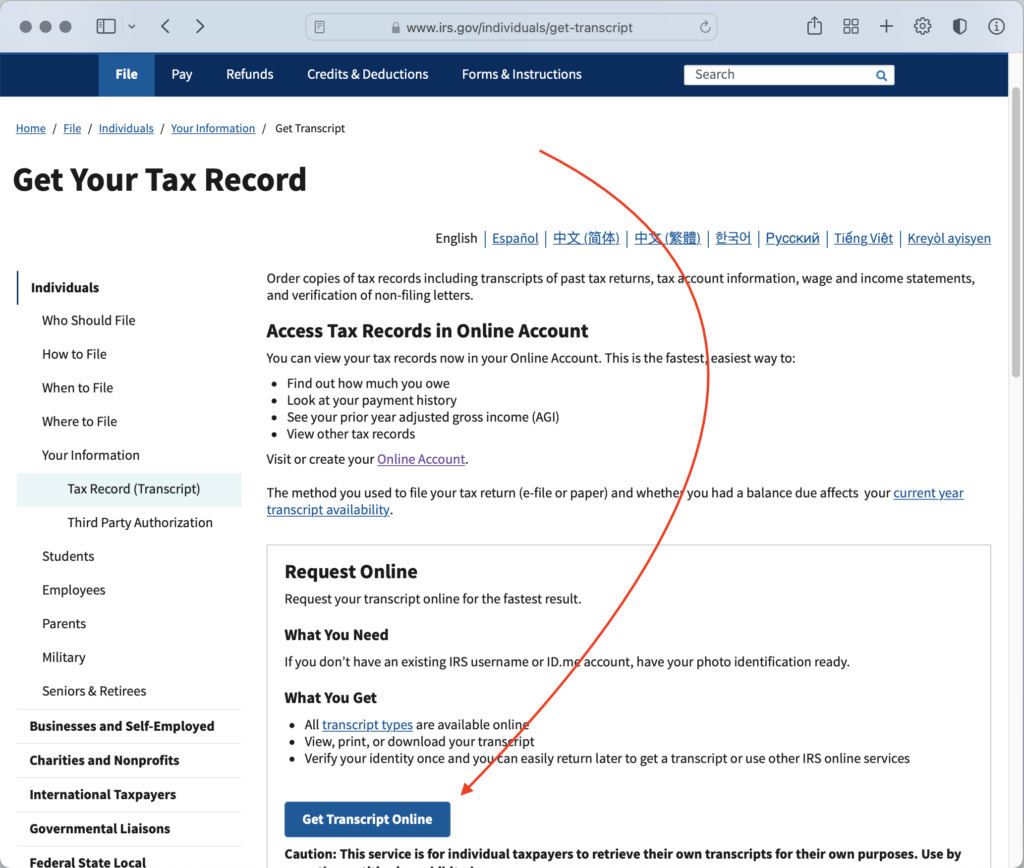
A: You can request IRS-transcripts online through the IRS Get Transcript portal, by mail using Form 4506-T, or by phone. Syed Professional Services can request IRS-transcripts on your behalf through authorized channels.
Q: How long does it take to get IRS-transcripts?
A: Online IRS-transcripts requests may be available immediately if you pass identity verification. Mail requests typically take 5 to 10 business days. We recommend requesting IRS-transcripts well in advance of any deadline.
Q: Are IRS-transcripts free?
A: Yes, IRS-transcripts are free. You should never pay a third-party website for IRS-transcripts—those sites are often scams.
Q: Can my accountant request IRS-transcripts for me?
A: Yes, an authorized tax professional can request IRS-transcripts on your behalf. Syed Professional Services routinely obtains IRS-transcripts for clients.
Q: What if my IRS-transcripts show an error?
A: If your IRS-transcripts contain an error, contact the IRS to correct it. Syed Professional Services can identify the appropriate agency contact and manage the correction process for you.
Proactive Steps You Can Take Today
-
Set up your IRS online account and verify you can access your IRS-transcripts before you urgently need them.
-
Request and review your IRS-transcripts for the most recent tax year. Check for accuracy and completeness.
-
Compare your IRS-transcripts to your filed returns. Note any discrepancies.
-
Contact Syed Professional Services for a comprehensive IRS-transcripts review, especially if you are planning an immigration application or major financial transaction.
Conclusion: Master Your IRS-Transcripts for Tax and Immigration Success
The seven devastating mistakes—requesting the wrong type, failing to review for accuracy, confusing IRS-transcripts with returns, neglecting security, delaying requests, ignoring unfiled years or balances, and failing to reconcile IRS-transcripts with immigration documents—are all avoidable with knowledge and professional support. Your IRS-transcripts are a powerful document, but only if you understand them and manage them properly.
Syed Professional Services is your ultimate partner for IRS-transcripts success. We bring together tax, accounting, and immigration expertise to ensure that your IRS-transcripts tell the right story—a story of compliance, responsibility, and readiness. Do not let a preventable IRS-transcripts mistake sabotage the future you are working so hard to build. Contact us today to schedule your IRS-transcripts review and preparation consultation. Together, we will make your IRS-transcripts the foundation of confidence they should be—accurate, secure, and ready whenever opportunity or obligation calls.
