

IRS Tax Return:
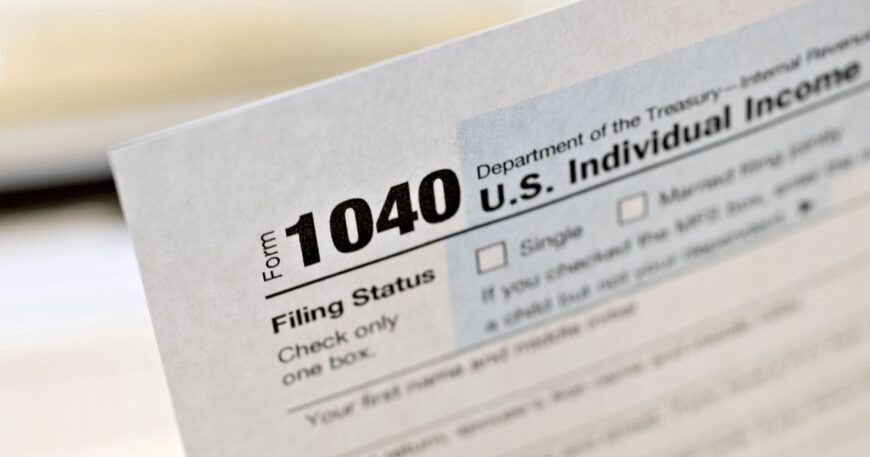
Filing an IRS tax return is one of the most critical financial tasks for individuals and businesses alike. Whether you’re self-employed, a salaried employee, or managing multiple income streams, understanding how the IRS processes tax returns and how to maximize your benefits can save you significant time, stress, and money.
In this comprehensive guide, we’ll explore everything you need to know about IRS tax return preparation, including the filing process, common mistakes, deductions and credits, deadlines, and expert tips to ensure accuracy and compliance.
By the end of this post, you’ll be equipped with actionable insights to handle your IRS tax return like a professional—reducing errors and improving your chances of maximizing refunds.
What is an IRS Tax Return and Why It Matters
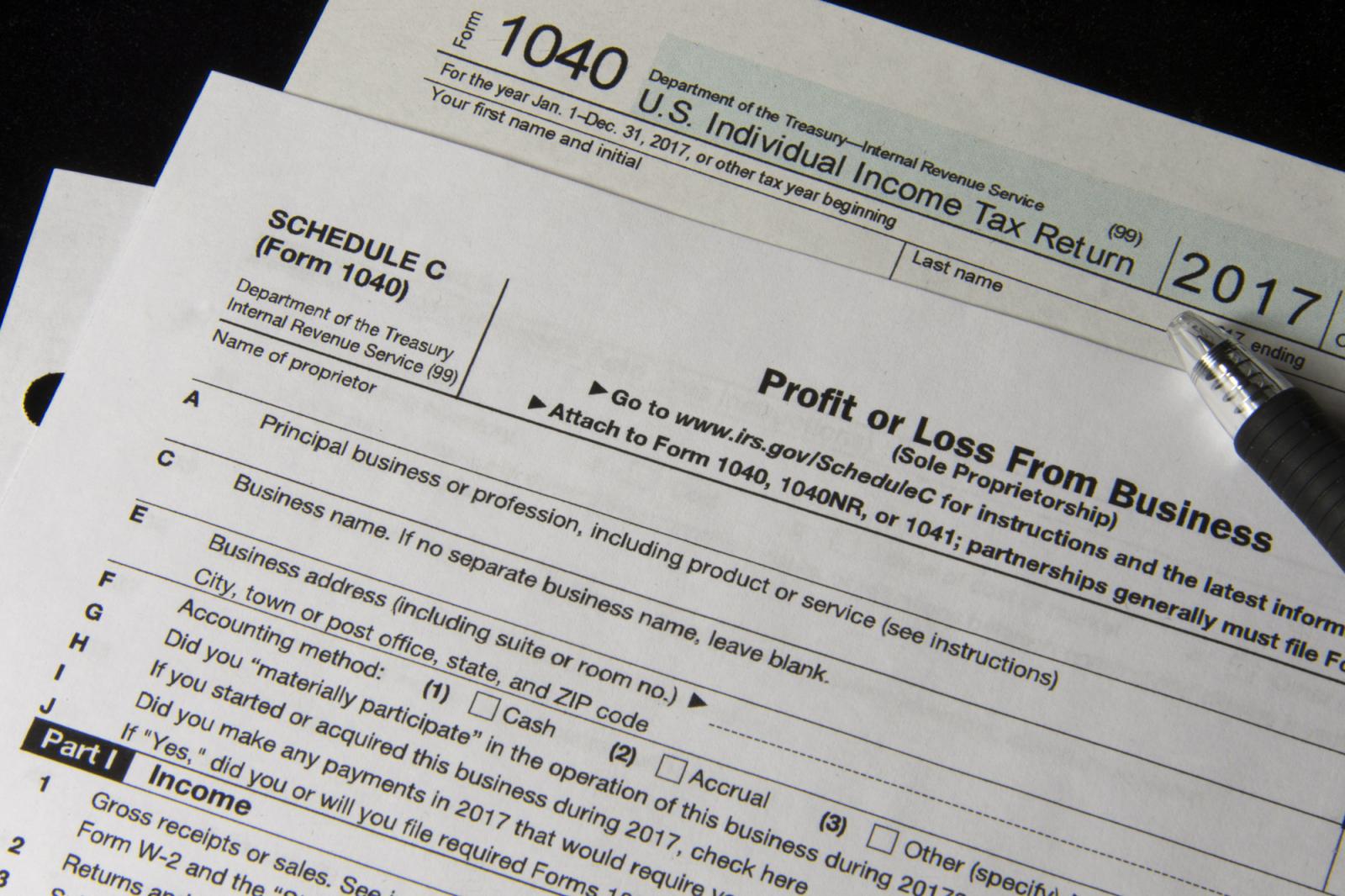
An IRS tax return is a formal document filed with the Internal Revenue Service that reports your income, expenses, and other tax-related information. This allows the IRS to determine whether you owe taxes or are entitled to a refund.
Importance of Filing an IRS Tax Return
Filing your IRS tax return on time and accurately is essential because:
-
It ensures compliance with federal law
-
Avoids penalties and interest charges
-
Helps you claim eligible deductions and credits
-
Maintains your financial records for loans, mortgages, or audits
Failing to file or submitting inaccurate information can result in audits, delayed refunds, and even legal consequences.
Who Needs to File an IRS Tax Return?
Not everyone is required to file, but most individuals earning above a certain income threshold, self-employed taxpayers, and those claiming refundable credits must submit an IRS tax return.
Some common scenarios include:
-
Employees with W-2 income
-
Self-employed individuals and freelancers
-
Homeowners claiming mortgage interest
-
Taxpayers claiming education or dependent credits
Understanding these requirements ensures you don’t miss critical deadlines or leave money on the table.
Step-by-Step Process for Filing an IRS Tax Return
Filing an IRS tax return can seem daunting, but breaking it down into manageable steps simplifies the process.
Step 1: Gather Your Documents
Before filing, ensure you have all necessary documents:
-
W-2 forms from employers
-
1099 forms for freelance or contract work
-
Receipts for deductions (e.g., medical expenses, charitable contributions)
-
Records of tax credits (education, energy-efficient home improvements)
Accurate documentation reduces the likelihood of errors on your IRS tax return.
Step 2: Choose Your Filing Method
You can file your IRS tax return via:
-
Paper filing: Traditional method, slower processing
-
E-filing: Faster, safer, and more accurate
-
Professional tax service: Hiring experts like Syed Professional Services ensures precision
E-filing is highly recommended as it reduces human error and accelerates your refund.
Step 3: Determine Your Filing Status
Your filing status impacts your tax rate, standard deduction, and eligibility for credits. Common statuses include:
-
Single
-
Married filing jointly
-
Married filing separately
-
Head of household
-
Qualifying widow(er)
Choosing the correct status on your IRS tax return is crucial for maximizing refunds.
Common Mistakes to Avoid on Your IRS Tax Return
Even minor errors on an IRS tax return can lead to penalties, audits, or delayed refunds. Being aware of common mistakes is essential.
Frequent Errors Include:
-
Incorrect Social Security numbers
-
Math errors or miscalculations
-
Missing signatures or incomplete forms
-
Incorrect filing status
-
Failing to report all income
How to Avoid Mistakes
-
Double-check all personal information
-
Use tax preparation software or hire professionals
-
Review IRS instructions carefully
-
File early to allow time for corrections
By avoiding these mistakes, your IRS tax return is more likely to be processed smoothly and quickly.
Maximizing Refunds Through Deductions and Credits
One of the most powerful ways to benefit from your IRS tax return is to optimize deductions and credits.
Common Deductions
-
Mortgage interest and property taxes
-
Charitable contributions
-
Medical and dental expenses
-
Retirement contributions
Key Tax Credits
-
Earned Income Tax Credit (EITC)
-
Education credits (Lifetime Learning, American Opportunity)
-
Energy-efficient home improvements
Claiming all eligible deductions and credits can significantly increase your refund and reduce your tax liability.
Deadlines, Extensions, and Penalties
Understanding the timeline for your IRS tax return is critical.
-
Standard filing deadline: April 15 (or the next business day if it falls on a weekend/holiday)
-
Extensions: Form 4868 allows an extra 6 months, but taxes owed must still be paid
-
Penalties: Late filing or underpayment can result in fines and interest
Filing on time—or requesting an extension if necessary—helps avoid unnecessary financial penalties.
Expert Tips for a Stress-Free IRS Tax Return
Maximizing your IRS tax return isn’t just about following rules—it’s about applying strategies.
Professional Filing Services
Hiring professionals like Syed Professional Services ensures:
-
Accurate calculations
-
Identification of all eligible deductions
-
Timely submission and compliance
Staying Updated with Tax Laws
Tax codes change frequently. Staying informed ensures your IRS tax return reflects current regulations and maximizes benefits.
Electronic Recordkeeping
Maintain digital records of receipts, statements, and previous tax returns. This makes filing future returns faster and more accurate.
FAQs About IRS Tax-Return
What is the difference between a tax return and a tax refund?
A tax return reports income and taxes owed, while a refund is the money returned if you overpaid taxes.
Can I file my IRS tax-return for free?
Yes, the IRS Free File program allows eligible taxpayers to file electronically at no cost.
What happens if I make a mistake on my IRS tax-return?
Minor errors can often be corrected with an amended return (Form 1040-X).
How long does it take to receive a refund?
E-filed returns with direct deposit are usually processed in 21 days or less.
Do I need to attach W-2s to my IRS tax-return?
If e-filing, W-2s are submitted electronically; for paper filing, attach the W-2 copy to your return.
Can I file my IRS tax-return after the deadline?
Yes, but late filing can result in penalties and interest, so timely submission is advised.
Conclusion
Filing an IRS tax-return can feel overwhelming, but with careful preparation, attention to detail, and professional guidance, you can maximize refunds and avoid costly mistakes.
From gathering documents and selecting deductions to avoiding common errors, every step counts. By understanding IRS requirements and leveraging expert services like Syed Professional Services, you can simplify the process, ensure compliance, and ultimately take control of your finances.
Your IRS tax-return isn’t just a form—it’s a tool to optimize your financial well-being and protect yourself from potential pitfalls.

