


7 Powerful Lessons from the Declaration of Independence: Avoid Costly Misunderstandings About America’s Founding Document
Introduction
The declaration of independence is one of the most influential documents in world history. Signed during a pivotal moment in the American Revolution, the declaration of independence announced the separation of the thirteen American colonies from British rule and established the foundation for a new nation built upon principles of liberty, equality, and self-government.
More than two centuries later, the declaration of independence continues to inspire democratic movements, constitutional governments, and advocates of human rights around the world. Its words remain deeply embedded in American political culture and civic education.
Understanding the declaration of independence is essential for anyone interested in American history, government, immigration, citizenship, or the development of democratic ideals. While many people recognize famous phrases from the document, fewer fully understand its historical context, purpose, and enduring significance.
This comprehensive guide explores the origins, authorship, principles, impact, and lessons of the declaration of independence, helping readers gain a deeper appreciation for this remarkable document.
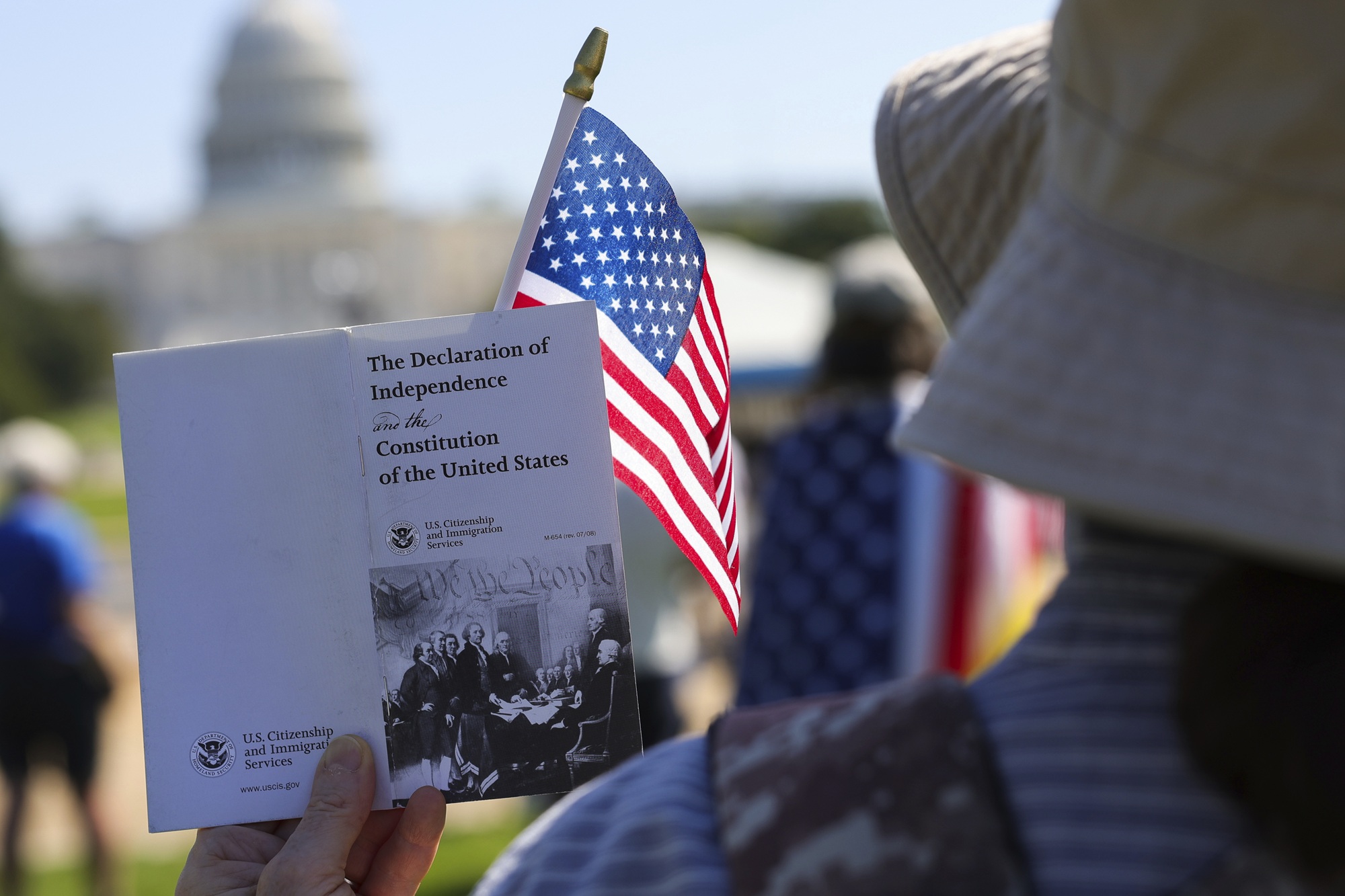
What Is the Declaration of Independence?
The declaration of independence is a formal statement adopted by the Second Continental Congress on July 4, 1776. The document announced that the American colonies were no longer subject to British rule and were establishing themselves as independent states.
The primary purpose of the declaration of independence was to explain why the colonies believed separation from Great Britain was necessary. Rather than simply declaring independence, the document presented philosophical arguments and a detailed list of grievances against King George III.
The declaration of independence served both domestic and international purposes. It united colonists behind a common cause while seeking support from foreign governments, particularly France.
Today, the declaration of independence remains one of the foundational documents of the United States alongside the Constitution and the Bill of Rights.
The Historical Background of the Declaration of Independence
To understand the declaration of independence, it is important to examine the events leading up to its creation.
Throughout the 1760s and early 1770s, tensions between Great Britain and the American colonies steadily increased. Colonists objected to taxation policies, trade restrictions, and what they viewed as violations of their rights.
Several key events contributed to the demand for a declaration of independence:
- The Stamp Act
- The Townshend Acts
- The Boston Massacre
- The Boston Tea Party
- The Intolerable Acts
- Armed conflicts at Lexington and Concord
By 1776, many colonial leaders believed reconciliation with Britain was no longer possible. The need for a formal declaration of independence became increasingly clear.
The document represented a turning point in the struggle for self-government and political freedom.
Who Wrote the Declaration of Independence?
Although many individuals contributed ideas, the primary author of the declaration of independence was Thomas Jefferson.
The Continental Congress appointed a committee to draft the declaration of independence. This committee included:
- Thomas Jefferson
- John Adams
- Benjamin Franklin
- Roger Sherman
- Robert R. Livingston
Jefferson prepared the initial draft of the declaration of independence, drawing upon Enlightenment philosophy and colonial political traditions. Congress reviewed and revised portions of the document before its final adoption.
The collaborative effort behind the declaration of independence reflected the collective aspirations of the colonies while showcasing Jefferson’s exceptional writing abilities.
Core Principles of the Declaration of Independence
One reason the declaration of independence remains relevant today is its articulation of universal political principles.
Equality
The declaration of independence asserts that all individuals possess inherent rights and deserve equal treatment under the law.
Natural Rights
According to the declaration of independence, people possess rights that exist independently of government, including life, liberty, and the pursuit of happiness.
Consent of the Governed
The declaration of independence argues that governments derive their authority from the consent of the people they govern.
Right to Revolution
The document states that citizens may alter or abolish governments that fail to protect their rights.
These ideas helped distinguish the declaration-of independence from earlier political documents and contributed to its global influence.
The Lasting Impact of the Declaration-of Independence
The influence of the declaration-of independence extends far beyond American history.
The document inspired:
- Democratic reforms
- Independence movements
- Constitutional governments
- Human rights initiatives
- Political revolutions worldwide
Many nations have drawn inspiration from the principles outlined in the declaration-of independence when pursuing self-determination and representative government.
Within the United States, the declaration-of independence continues to shape debates about equality, civil rights, and individual liberty.
Its enduring relevance demonstrates the power of ideas expressed more than two centuries ago.
Common Misconceptions About the Declaration-of Independence
Despite its fame, several misunderstandings surround the declaration-of independence.
It Did Not Create the Government
The declaration-of independence announced separation from Britain but did not establish the current U.S. government structure.
It Was Not Signed by Everyone on July 4
Although July 4 marks adoption of the declaration-of independence, many signatures were added later.
It Was More Than a Symbolic Statement
The declaration-of independence was a strategic political document intended to justify revolution and gain international support.
Understanding these facts provides a more accurate perspective on the declaration-of independence and its role in American history.

Lessons Modern Readers Can Learn
The declaration-of independence offers valuable lessons that remain relevant today.
The Importance of Civic Engagement
The principles in the declaration-of independence remind citizens to participate actively in democratic processes.
The Value of Individual Rights
The document highlights the importance of protecting personal freedoms and human dignity.
Accountability in Government
The declaration-of independence emphasizes that governments must remain accountable to the people they serve.
Pursuit of Liberty
The commitment to liberty expressed in the declaration-of independence continues to inspire individuals around the world.
Frequently Asked Questions
What is the declaration-of independence?
The declaration-of independence is the document adopted on July 4, 1776, announcing the American colonies’ separation from Great Britain.
Who wrote the declaration-of independence?
The primary author of the declaration-of independence was Thomas Jefferson.
Why was the declaration-of independence written?
The declaration-of independence explained why the colonies sought independence from British rule.
When was the declaration-of independence adopted?
The declaration-of independence was officially adopted on July 4, 1776.
Why is the declaration-of independence important?
The declaration-of independence established foundational principles of liberty, equality, and self-government.
Does the declaration-of independence still matter today?
Yes. The principles expressed in the declaration-of independence continue to influence democratic societies worldwide.
Conclusion
The declaration-of independence remains one of the most important political documents ever written. Its principles of liberty, equality, natural rights, and representative government helped shape the United States and inspired countless movements around the world.
More than a historical artifact, the declaration-of independence continues to serve as a reminder that freedom, accountability, and human dignity are ideals worth preserving. By understanding the origins and significance of the declaration-of independence, modern readers can gain valuable insights into both American history and the broader development of democratic government.

