


10 Powerful Capital Gains Tax Strategies to Avoid Costly Financial Mistakes
Investing can be one of the best ways to build long-term wealth, but many investors overlook one critical financial factor — capital gains tax. Whether you sell stocks, real estate, cryptocurrency, or business assets, understanding capital gains tax is essential for protecting profits and avoiding unnecessary tax liabilities.
Every year, millions of taxpayers face confusion regarding how capital gains tax works, when it applies, and how to legally minimize what they owe. Poor tax planning often leads to expensive surprises, especially for individuals selling valuable investments or property.
At Syed Professional Services, we help individuals, families, investors, and business owners understand complex tax rules and develop smart financial strategies. Proper planning for capital gains tax can help preserve wealth, improve investment outcomes, and reduce financial stress during tax season.
This complete guide explains everything you need to know about capital gains tax, including tax rates, short-term vs. long-term gains, real estate rules, investment strategies, exemptions, reporting requirements, and practical ways to reduce taxable gains legally.

What Is Capital Gains Tax?
Capital gains tax is the tax applied to profits earned from selling certain assets for more than their original purchase price. The “gain” refers to the difference between the asset’s purchase cost and the selling price.
Assets commonly subject to capital gains tax include:
- Stocks
- Real estate
- Mutual funds
- Bonds
- Cryptocurrency
- Business property
- Valuable collectibles
For example, if an investor buys stock for $5,000 and later sells it for $8,000, the $3,000 profit may be subject to capital gains tax.
The Internal Revenue Service regulates federal capital gains taxation in the United States.
Additional information is available here:
IRS Capital Gains Information
Understanding how capital gains tax works helps investors make smarter financial decisions and avoid costly mistakes.
Short-Term vs. Long-Term Capital Gains Tax
One of the most important concepts investors must understand is the difference between short-term and long-term capital gains tax.
Short-Term Capital Gains Tax
Short-term gains apply when assets are sold after being held for one year or less.
These gains are typically taxed at ordinary income tax rates, which may be significantly higher.
Long-Term Capital Gains Tax
Long-term gains apply when assets are held longer than one year before being sold.
Long-term capital gains tax rates are generally lower than ordinary income tax rates, making long-term investing more tax-efficient.
Holding investments longer often provides substantial tax advantages.
Taxpayers who understand timing strategies can reduce overall capital gains tax liabilities considerably.
Current Capital Gains Tax Rates
Federal capital gains tax rates vary depending on income level, filing status, and asset holding period.
Long-term capital gains rates commonly include:
| Tax Rate | Income Level (Approximate) |
|---|---|
| 0% | Lower-income taxpayers |
| 15% | Middle-income taxpayers |
| 20% | Higher-income taxpayers |
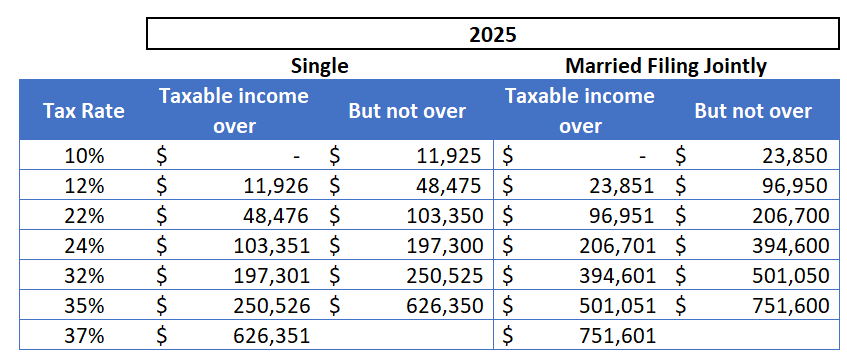
Short-term capital gains tax rates match ordinary federal income tax brackets.
Additionally, some taxpayers may owe:
- Net Investment Income Tax (NIIT)
- State capital gains taxes
- Local taxes depending on residency
Because tax laws frequently change, professional tax planning is extremely important for investors managing large asset sales.
Assets Commonly Subject to Capital Gains Tax
Many people assume only stock investments trigger capital gains tax, but numerous asset categories may qualify.
Real Estate
Selling investment properties or second homes may generate taxable gains.
Stocks and Mutual Funds
Profits from investment sales are frequently subject to taxation.
Cryptocurrency
Digital assets like Bitcoin and Ethereum are taxable under IRS rules.
Business Assets
Business sales or equipment disposals may create taxable gains.
Collectibles
Artwork, jewelry, antiques, and rare coins may face special tax rates.
Proper planning helps taxpayers reduce unnecessary capital gains tax obligations across these asset categories.
How Real Estate Capital Gains Tax Works
Real estate transactions often create significant capital gains tax concerns for homeowners and investors.
Primary Residence Exclusion
Many homeowners qualify for exclusions when selling a primary residence.
Eligible taxpayers may exclude:
- Up to $250,000 in gains for single filers
- Up to $500,000 for married couples filing jointly
To qualify, homeowners generally must:
- Own the home for at least two years
- Live in the property as a primary residence
Investment Property Taxes
Investment properties typically do not qualify for the same exclusions.
However, strategies like 1031 exchanges may help defer capital gains tax liabilities.
Real estate investors should work closely with tax professionals before major transactions.
Capital Gains Tax and Cryptocurrency
Cryptocurrency taxation has become increasingly important as digital assets grow in popularity.
The IRS treats cryptocurrency as property, meaning transactions may trigger capital gains tax.
Taxable crypto events include:
- Selling cryptocurrency for cash
- Trading one cryptocurrency for another
- Using crypto to purchase goods or services
Many investors mistakenly believe crypto transactions are anonymous or untaxed, which creates serious compliance risks.
Accurate recordkeeping is essential for calculating capital gains tax correctly on digital asset transactions.
Smart Strategies to Reduce Capital Gains Tax
Taxpayers can legally minimize capital gains tax obligations through strategic financial planning.
Hold Investments Longer
Long-term gains often qualify for lower tax rates.
Offset Gains With Losses
Tax-loss harvesting allows investors to offset gains using investment losses.
Use Retirement Accounts
Certain retirement accounts provide tax advantages for investments.
Donate Appreciated Assets
Charitable donations may reduce taxable gains while supporting nonprofits.
Plan Income Carefully
Lower taxable income may qualify investors for reduced rates.
Utilize 1031 Exchanges
Real estate investors may defer taxes through qualifying property exchanges.
Strategic planning helps taxpayers preserve more wealth while staying compliant with tax laws.
Common Capital Gains Tax Mistakes
Many taxpayers make avoidable mistakes regarding capital gains tax reporting and planning.
Failing to Track Cost Basis
Poor records make gain calculations difficult and inaccurate.
Ignoring Cryptocurrency Reporting
Unreported digital asset transactions may trigger penalties or audits.
Selling Too Quickly
Short-term gains often result in higher taxes.
Forgetting State Taxes
Some states impose additional capital gains tax obligations.
Misunderstanding Real Estate Rules
Home sale exclusions have specific eligibility requirements.
Professional tax guidance helps taxpayers avoid these costly errors.
How Capital Gains Tax Impacts Businesses
Business owners frequently encounter capital-gains tax issues during sales, mergers, or asset disposals.
Taxable business transactions may include:
- Selling company shares
- Disposing of equipment
- Selling commercial real estate
- Transferring ownership interests
Business owners should carefully structure transactions to minimize tax exposure.
Advanced planning strategies may help reduce overall capital-gains tax obligations significantly.
At Syed Professional Services, we assist business owners with tax planning, accounting, and financial strategy development.
The Importance of Accurate Recordkeeping
Strong financial documentation is essential for managing capital-gains tax correctly.
Taxpayers should maintain records including:
- Purchase dates
- Purchase prices
- Sale dates
- Sale amounts
- Brokerage statements
- Improvement expenses for real estate
Accurate records support proper tax reporting and reduce audit risks.
Poor documentation often creates unnecessary tax complications and financial stress.
Capital-Gains Tax and Immigration Considerations
Immigration status may also affect capital-gains tax obligations for certain individuals.
Nonresident aliens, visa holders, and immigrants with international investments may face complex reporting requirements.
Important considerations include:
- Foreign asset reporting
- Residency classification
- International tax treaties
- Cross-border investment rules
Immigrants with foreign financial assets should seek professional guidance to avoid compliance issues.
Syed Professional Services helps clients navigate both tax and immigration-related financial concerns effectively.
Why Professional Tax Planning Matters
Tax laws surrounding capital-gains tax continue evolving, making professional guidance increasingly valuable.
Experienced tax professionals help clients:
Minimize Tax Liabilities
Strategic planning reduces unnecessary taxes legally.
Improve Compliance
Proper reporting helps avoid audits and penalties.
Understand Complex Rules
Professionals explain exemptions, deductions, and filing requirements clearly.
Optimize Investment Decisions
Tax-efficient strategies improve long-term wealth preservation.
Reduce Financial Stress
Expert guidance provides confidence during major financial transactions.
At Syed Professional Services, we help individuals and businesses make informed tax decisions that support financial success.
Frequently Asked Questions
What is capital-gains tax?
Capital-gains tax is the tax applied to profits earned from selling assets like stocks, real estate, or cryptocurrency.
What is the difference between short-term and long-term capital-gains tax?
Short-term gains apply to assets held one year or less, while long-term gains apply to assets held longer than one year.
Do I pay capital-gains tax on my home sale?
Some homeowners qualify for exclusions depending on residency and ownership requirements.
Is cryptocurrency subject to capital-gains tax?
Yes, cryptocurrency transactions are generally taxable under IRS rules.
How can I reduce capital-gains tax legally?
Strategies may include long-term investing, tax-loss harvesting, charitable donations, and retirement account planning.
Why should I work with a tax professional?
Tax professionals help reduce liabilities, improve compliance, and optimize financial planning strategies.
Conclusion
Understanding capital-gains tax is essential for anyone investing in stocks, real estate, cryptocurrency, or business assets. Without proper planning, investors may face unnecessary tax liabilities that reduce long-term financial growth and profitability.
By learning how capital-gains tax works and using smart tax-saving strategies, taxpayers can preserve more wealth, improve compliance, and avoid costly mistakes. Whether managing personal investments or large business transactions, proactive tax planning provides valuable financial advantages.
At Syed Professional Services, we help individuals, families, investors, and business owners navigate complex tax and financial matters confidently. Our experienced team provides professional tax planning, accounting, and immigration support designed to protect your financial future.

