

11 Powerful IRS Tax Refund Status Tips to Avoid Costly Delays and Get Your Money Faster
Introduction
Every tax season, millions of taxpayers eagerly wait for their refunds after filing their federal tax returns. One of the most common questions taxpayers ask is how to check their irs tax refund status and determine when they can expect their money. Whether you’re relying on your refund to pay bills, reduce debt, build savings, or cover major expenses, understanding your irs tax refund status can provide peace of mind and help you plan your finances more effectively.
The Internal Revenue Service (IRS) processes millions of tax returns annually, and while many refunds are issued quickly, some taxpayers experience delays due to errors, identity verification requirements, missing information, or additional review procedures. Knowing how to monitor your irs tax refund status can help you stay informed throughout the process and avoid unnecessary stress.
Many individuals mistakenly assume that once they submit a tax return, the refund process is entirely automatic. While the IRS has made significant technological improvements, several factors can influence your irs tax refund status, including filing method, refund delivery option, accuracy of information, and IRS workload.
In this comprehensive guide, we will explain everything you need to know about irs tax refund status, including how to check it, common reasons for delays, expected timelines, troubleshooting strategies, and best practices to receive your refund as quickly as possible.
What Is IRS Tax Refund Status?
The irs tax refund status refers to the current stage of your federal tax refund after your tax return has been submitted to the IRS.
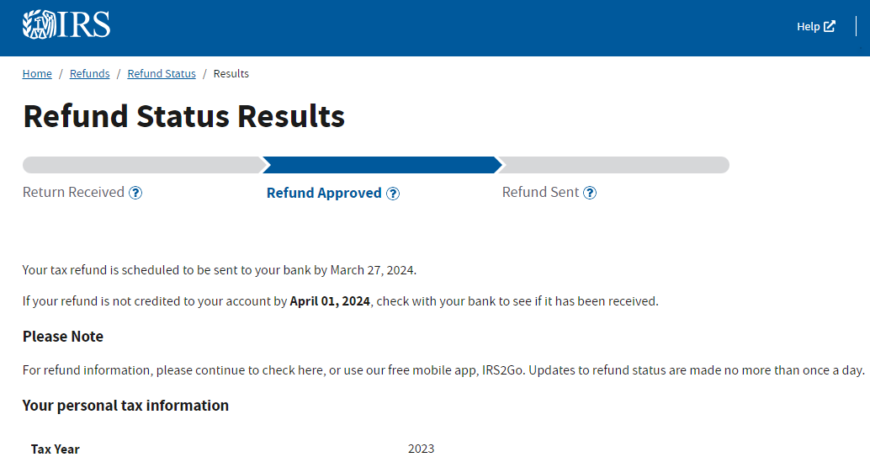
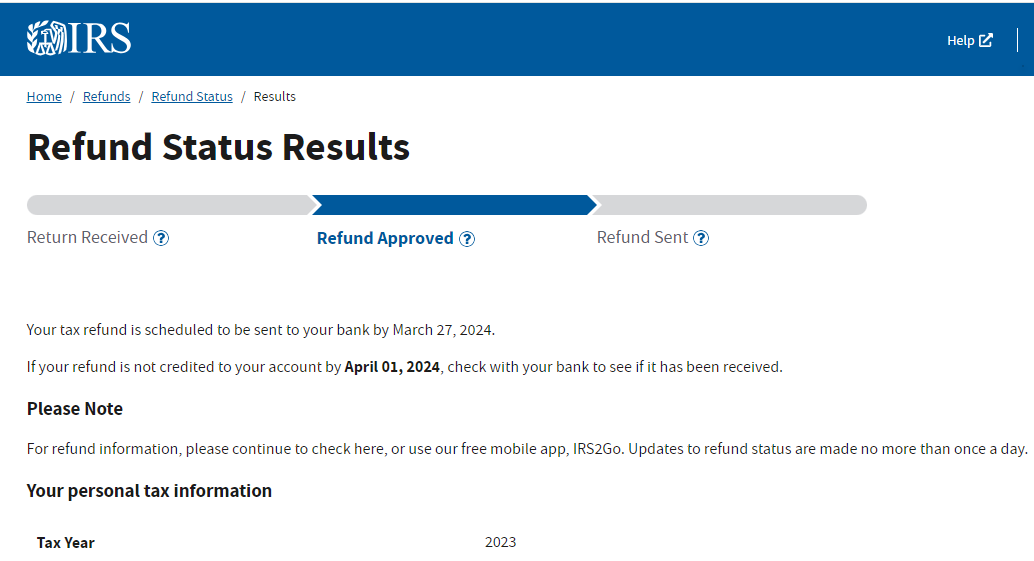
When you file your return, the IRS tracks its progress through various processing stages. Your irs tax refund status helps you understand whether your return has been received, approved, or whether your refund has been sent.
Generally, the IRS uses three primary status categories:
| Refund Status | Meaning |
|---|---|
| Return Received | The IRS has received and is processing your return |
| Refund Approved | Your refund has been approved |
| Refund Sent | The refund has been issued |
Monitoring your irs tax refund status allows you to stay informed and identify potential issues before they become significant problems.
Why Checking IRS Tax Refund Status Is Important
Tracking your irs tax refund status offers several important benefits.
Financial Planning
Knowing your irs tax refund status helps you estimate when funds may become available for important expenses or savings goals.
Identifying Processing Delays
Monitoring your irs tax refund status allows you to detect unusual delays and take corrective action if necessary.
Preventing Fraud
Regularly checking your irs tax refund status may help identify suspicious activity or unauthorized filings.
Managing Expectations
Taxpayers often become anxious while waiting for refunds. Understanding your irs tax refund status provides clarity and reduces uncertainty.
Improving Communication
If issues arise, having current information about your irs tax refund status can help when communicating with tax professionals or the IRS.
How to Check IRS Tax Refund Status
The IRS provides several methods for taxpayers to monitor their irs tax refund status.
IRS Online Refund Tracking Tools
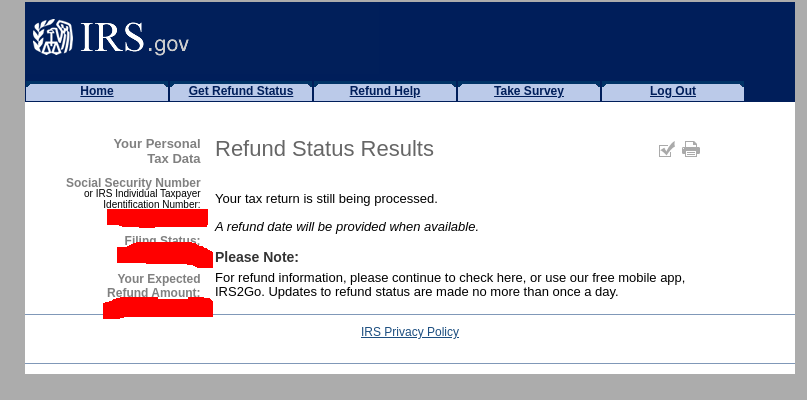
The most popular option is the IRS refund tracking system, which allows taxpayers to view their irs tax refund status online.
You generally need:
- Social Security Number or ITIN
- Filing status
- Exact refund amount
IRS Mobile Applications
Many taxpayers use mobile tools to access their irs tax refund status conveniently from smartphones and tablets.
Telephone Assistance
Taxpayers may also obtain irs tax refund status information through IRS automated phone systems when available.
Working With Tax Professionals
Tax professionals can often help interpret irs tax refund status updates and explain potential delays.
Understanding IRS Refund Processing Timelines
One of the most common questions regarding irs tax refund status involves refund timing.
Electronic Filing
Electronic returns generally receive faster processing than paper returns.
Many electronically filed returns receive refunds within approximately three weeks, depending on circumstances.
Direct Deposit
Taxpayers choosing direct deposit often receive refunds more quickly than those requesting paper checks.
Paper Returns
Paper-filed returns typically require additional processing time and may affect irs tax refund status updates.
Additional Reviews
Returns selected for verification or review may experience longer processing times.
Because every situation is unique, irs tax refund status updates should be monitored regularly throughout the filing season.
Common Reasons for IRS Tax Refund Status Delays
Several factors can affect your irs tax refund status and delay refund issuance.
Incorrect Personal Information
Errors involving:
- Names
- Social Security numbers
- Addresses
can create processing delays.
Missing Documentation
Incomplete tax returns may result in additional review and delayed irs tax refund status updates.
Math Errors
Calculation mistakes frequently require IRS correction before refunds are approved.
Identity Verification
The IRS may request identity confirmation before updating your irs tax refund status and releasing funds.
Tax Credit Reviews
Returns claiming certain credits sometimes undergo additional verification procedures.
Understanding these issues can help taxpayers avoid unnecessary complications with their irs tax refund status.
How Direct Deposit Affects IRS-Tax Refund Status
Direct deposit remains one of the most effective ways to receive tax refunds quickly.
Faster Processing
Taxpayers who select direct deposit often experience faster irs-tax refund status progression.
Reduced Mail Delays
Electronic delivery eliminates postal service delays.
Enhanced Security
Direct deposit reduces risks associated with lost or stolen refund checks.
Convenient Access
Funds become available directly in designated financial accounts.
For most taxpayers, direct deposit is the preferred option for improving irs-tax refund status outcomes.
Common IRS-Tax Refund Status Errors and Solutions
Occasionally taxpayers encounter issues while checking irs-tax refund status.
Information Does Not Match
Incorrect data entry may prevent access to refund information.
Refund Amount Changes
The IRS may adjust refund amounts due to corrections or offsets.
Delayed Status Updates
Sometimes irs-tax refund status information may not update immediately despite ongoing processing.
Additional Information Requests
The IRS may contact taxpayers for clarification regarding specific items on the return.
Identity Verification Notices
Promptly responding to IRS notices helps prevent extended delays in irs-tax refund status processing.
Tips to Receive Your Refund Faster
Taxpayers can improve irs-tax refund status processing speed by following several best practices.
File Electronically
Electronic filing generally results in faster processing.
Double-Check Information
Verify all personal and financial information before submission.
Choose Direct Deposit
Direct deposit remains one of the fastest refund delivery methods.
Keep Records Organized
Maintain documentation supporting income, deductions, and credits.
Respond Quickly to IRS Requests
Timely responses can help keep your irs-tax refund status moving forward.
Work With Experienced Tax Professionals
Professional tax preparation may reduce errors that commonly delay refunds.
How Tax Professionals Can Help With IRS-Tax Refund Status Issues
Tax professionals play an important role when complications arise involving irs-tax refund status.
Error Identification
Professionals can review returns for mistakes affecting refund processing.
IRS Communication Assistance
Experienced preparers can help taxpayers understand IRS correspondence.
Amended Return Support
If corrections are necessary, tax professionals can assist with amendments.
Refund Tracking Guidance
Experts can explain unusual irs-tax refund status updates and next steps.
Compliance Protection
Professional guidance helps ensure tax returns comply with applicable requirements.
For complex situations, professional support often improves outcomes related to irs-tax refund status.
Best Practices for Future Tax Seasons
The best way to maintain a positive irs-tax refund status experience is through preparation.
Maintain Accurate Records
Organized records support accurate tax return preparation.
Update Personal Information
Ensure addresses and personal details remain current.
File Early
Early filing may reduce processing delays during peak periods.
Review Returns Carefully
Accuracy helps prevent issues that impact irs-tax refund status.
Monitor IRS Communications
Stay alert for notices requiring action.
These proactive steps can help create smoother refund experiences year after year.
Frequently Asked Questions
What is irs-tax refund status?
Irs-tax refund status refers to the current stage of your tax refund during IRS processing.
How can I check my irs-tax refund status?
You can monitor your irs-tax refund status using IRS online tools, mobile applications, or approved communication methods.
How long does irs-tax refund status take to update?
Many taxpayers see updates within several days after filing, though timing varies.
Why is my irs-tax refund status delayed?
Common reasons include identity verification, missing information, errors, or additional review requirements.
Does direct deposit improve irs-tax refund status timing?
Yes. Direct deposit often speeds up refund delivery compared to mailed checks.
Can tax credits delay irs-tax refund status?
Certain tax credits may require additional review, potentially affecting refund timing.
Should I contact the IRS about my irs-tax refund status?
If delays exceed normal processing times, contacting the IRS or a qualified tax professional may be appropriate.
Conclusion
Understanding your irs-tax refund status is an essential part of managing your tax filing experience. From tracking refund progress and identifying potential delays to resolving issues quickly, staying informed can help reduce uncertainty and improve financial planning.
By filing accurately, choosing direct deposit, maintaining organized records, and monitoring your irs-tax refund status regularly, you can improve the likelihood of receiving your refund as quickly as possible. While some delays are unavoidable, many refund issues can be prevented through careful preparation and timely responses to IRS requests.
At Syed Professional Services, we assist individuals, families, and businesses with tax preparation, tax planning, accounting services, and immigration-related matters. Our experienced team is committed to helping clients navigate tax season confidently while addressing questions related to irs-tax refund status, refund processing, compliance, and financial success.

