

7 Terrifying My USCIS Mistakes That Destroy Your Immigration Case – Ultimate Success Guide
The my USCIS portal is the digital heart of the American immigration system. It’s where you file applications, track case status, upload evidence, receive notices, and communicate with U.S. Citizenship and Immigration Services. For millions of applicants, my USCIS is the single most important online account they will ever manage. Yet every day, preventable mistakes on my USCIS delay green cards, trigger Requests for Evidence, and even cause outright denials. At Syed Professional Services, we’ve guided countless clients through the my USCIS maze—and we’ve witnessed the devastating aftermath when simple errors spiral out of control. This comprehensive guide exposes seven terrifying my USCIS mistakes and shows you exactly how to avoid them, protecting your immigration future.
Whether you’re filing your first family-based petition or tracking a long-pending naturalization case, my USCIS can either smooth your path or become a source of constant anxiety. Mastering my USCIS isn’t just about clicking the right buttons. It’s about understanding how the information you enter into my USCIS connects to the financial affidavits, tax returns, and accounting evidence that USCIS officers scrutinize. As an integrated tax, accounting, and immigration firm, Syed Professional Services is uniquely positioned to help you align your my USCIS profile with ironclad financial documentation, turning a potential liability into a seamless approval. Read on to discover the seven my USCIS horrors you must sidestep, and learn how to transform your my USCIS experience from terrifying to triumphant.
Why My USCIS Is the Heartbeat of Your Immigration Case
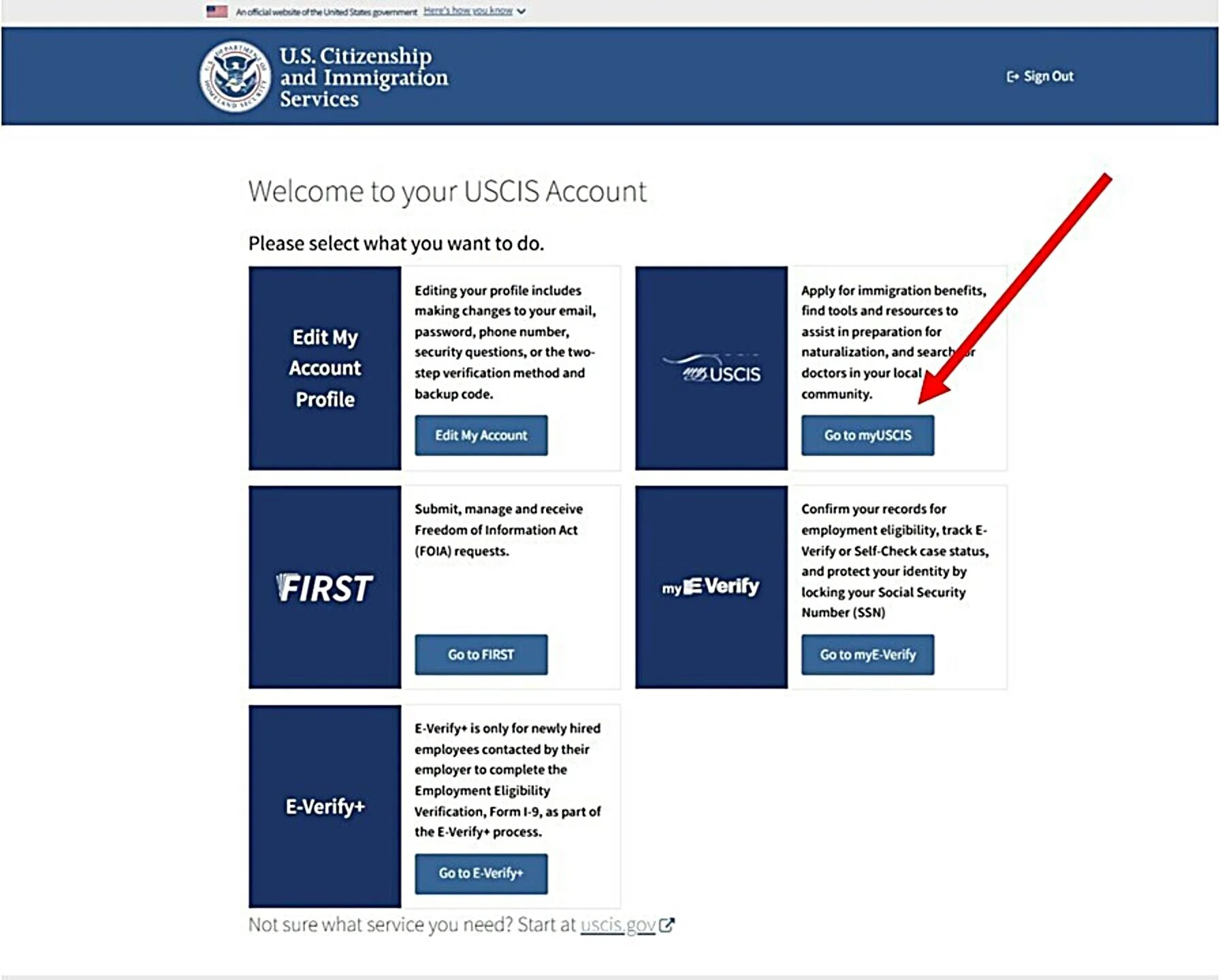
Before we dive into the blunders, let’s define what my USCIS truly is and why it matters so much. my USCIS is the official online platform where applicants create an account, file forms electronically, upload supporting evidence, pay fees, receive USCIS notices, and monitor case status in real time. A properly managed my USCIS account puts you in direct communication with the agency that decides your future. You can see when a decision is made, what documents are still needed, and when an interview is scheduled. In many ways, my USCIS is the central command center for your immigration journey. If your my USCIS account contains errors, outdated information, or missing documents, the entire case can stall. And unlike a paper-based process, what lives inside my USCIS is instantly visible to the adjudicator. So, every detail you upload to my USCIS must be accurate, complete, and compliant.
The power of my USCIS is immense, but so is the responsibility. Without the right guidance, users of my USCIS often misinterpret notice meanings, miss critical deadlines, or upload financial evidence that contradicts their tax filings. This is where Syed Professional Services steps in. We help clients review their my USCIS accounts proactively, ensuring that every tax return, every bank statement, and every affidavit of support is consistent, authentic, and presented in a way that officers find persuasive. A my USCIS profile supported by professional tax and accounting work stands far above the crowd.
Terrifying Mistake #1: Creating Multiple My USCIS Accounts or Using an Unverified Email
One of the most shocking and surprisingly common my USCIS errors is the creation of duplicate accounts. An applicant might start an application on my USCIS with one email address, forget the password, and then create a second my USCIS account with a different email. USCIS systems link cases to the account from which the filing was initiated. If you later try to access your case from the wrong my USCIS account, you won’t see your receipt number or case history. The panic sets in: “Has my case disappeared?” Frantic calls to the USCIS Contact Center follow, which can take weeks to resolve. Worse, if you inadvertently submit two petitions through different my USCIS accounts, you may trigger confusion, fee loss, or even suspicion of fraud.
How to avoid this my USCIS horror: create exactly one my USCIS account with a secure, permanent email address you will always have access to. Use a strong password and enable two-factor authentication. Write down your my USCIS credentials and store them safely. If you suspect you already have multiple my USCIS accounts, reach out to a professional who can help you consolidate your cases under a single my USCIS profile without triggering a data mismatch. At Syed Professional Services, we guide clients through my USCIS account setup as part of our immigration preparation, ensuring your case remains easy to track and impossible to fragment.
Terrifying Mistake #2: Uploading Inconsistent or Unacceptable Financial Documents
USCIS uses my USCIS to receive your evidence, and for family-based and employment-based cases, that evidence almost always includes tax returns, W-2s, pay stubs, bank letters, and other financial records. A horrifying mistake is uploading documents that don’t match the numbers you reported to the IRS, or worse, uploading documents that are incomplete or in the wrong format. When the officer reviewing your my USCIS evidence sees a tax return in your my USCIS file that doesn’t match IRS transcripts, a red flag goes up immediately. The result? A Request for Evidence (RFE) or a Notice of Intent to Deny (NOID). Suddenly your fast-tracked case lurches into months of delay.
Before you ever upload a single PDF to my USCIS, you must ensure that every financial document is accurate, current, and consistent with your filed tax returns. This is where professional tax and accounting support becomes non-negotiable. At Syed Professional Services, we prepare or review your tax returns not just for IRS compliance but for my USCIS compatibility. We know what the I-864 Affidavit of Support demands, what income thresholds apply, and how to present self-employment income or assets so that they satisfy the my USCIS officer. The tax return you upload to my USCIS is more than a form; it’s the financial pillar of your application. Don’t let a simple error inside your my USCIS upload folder tank your entire case.
Terrifying Mistake #3: Ignoring Notifications and Missing Deadlines on My USCIS
my USCIS sends electronic notices when USCIS requires action—an RFE deadline, a biometrics appointment, an interview notice, or a decision letter. The horrifying reality is that these notices go straight to your my USCIS account, and if you aren’t checking it regularly or don’t have email alerts properly configured, you could miss a deadline entirely. Miss a biometrics appointment because you didn’t see the my USCIS notice, and your application may be considered abandoned. Fail to respond to an RFE by the date stamped in your my USCIS inbox, and your case dies. We’ve seen applicants who checked their my USCIS account only when they felt anxious, discovering that a deadline had passed two weeks prior.
Syed Professional Services urges every client to treat my USCIS like a daily essential, especially during active case processing. Log in at least once a week, check the “Documents” tab, and read every message. Better yet, configure my USCIS to send email and text alerts so you’re notified the moment something changes. If you work with our immigration team, we monitor your my USCIS account status together with you, providing an extra set of eyes so no deadline slips through. A proactive my USCIS habit can be the difference between a smooth approval and a costly, heart-wrenching re-file.
Terrifying Mistake #4: Misentering Personal Information on My USCIS Forms
Filing forms through my USCIS is convenient, but it also means you’re typing directly into the system. A single typo—a misspelled name, an incorrect date of birth, a wrong A-Number, a swapped digit in a passport number—can cause cascading problems. Your form data in my-USCIS must match your supporting documents exactly. If your birth certificate says “Jon” and you enter “John” on my-USCIS, you’ve just created an inconsistency that can trigger an RFE or delay. If your tax return shows a Social Security Number that’s off by one digit from what’s in your my-USCIS form, the verification systems may flag your case for manual review.
This my-USCIS blunder is especially dangerous because it feels so minor. But immigration officers are trained to treat inconsistencies as credibility issues. To avoid this, never rush through my-USCIS data entry. Have every identity document, previous USCIS receipt, and tax return in front of you as you fill out my-USCIS forms. Review each field twice before clicking submit. Better yet, let Syed Professional Services review your my-USCIS entries. With our combined tax, accounting, and immigration expertise, we cross-check the data you’re entering into my-USCIS against your actual official records, ensuring that your name, SSN, income figures, and addresses are flawlessly consistent.
Terrifying Mistake #5: Failing to Link Paper Filings to a My-USCIS Account Effectively
Even if you file a paper application by mail, you can (and should) add that case to your my-USCIS account using the receipt number. A common and destructive my-USCIS oversight is forgetting to link the paper case or linking it incorrectly. Without the case properly attached to your my-USCIS account, you won’t receive electronic updates, you won’t see RFEs online, and you won’t be able to upload additional evidence if USCIS allows it. You’ll be stuck waiting for postal mail, which can be delayed, lost, or arrive after critical deadlines. In an era where USCIS increasingly expects applicants to use my-USCIS for case management, leaving your case unlinked is a self-inflicted disadvantage.
As soon as you receive a paper receipt notice, log into my-USCIS, click “Add a case to your account,” and enter the receipt number exactly as it appears. Verify that the case shows up immediately. If it doesn’t, don’t ignore it—contact USCIS or seek professional help. At Syed Professional Services, we ensure that every case we handle is fully visible within my-USCIS, whether it was originally filed electronically or by mail. That way, our clients never miss an update and always have a complete, real-time view of their immigration status through my-USCIS.
Terrifying Mistake #6: Neglecting to Update Your My-USCIS Profile After Major Changes
Your my-USCIS profile is not static. When your address changes, when you get married or divorced, when you have a child, when your immigration status changes—these events must be reflected in your my-USCIS account. A terrifying mistake is neglecting to update your my-USCIS profile, which can cause notices to be sent to the wrong address, information to become inconsistent across applications, and USCIS to question your credibility. If you move and don’t update your my-USCIS address, you might never receive an interview notice or RFE, leading to abandonment or denial.
The solution is simple but critical: update your my-USCIS profile immediately after any major life change. USCIS requires you to report a change of address within 10 days of moving. You can do this through your my-USCIS account or by filing Form AR-11. Syed Professional Services reminds clients to keep their my-USCIS profiles current and helps them make the necessary updates. We treat your my-USCIS account as a living record that must evolve with your life, ensuring that USCIS always has accurate, up-to-date information.
Terrifying Mistake #7: Going It Alone Without Professional My-USCIS Guidance
The my-USCIS portal is powerful, but it’s not a substitute for professional immigration advice. Attempting to navigate the complex my-USCIS system alone—without expert guidance—is a terrifying mistake that can lead to missed deadlines, inconsistent documentation, and lost opportunities. The my-USCIS interface doesn’t explain the nuances of immigration law. It doesn’t tell you which financial documents will satisfy the public charge rule. It doesn’t warn you when a seemingly innocent answer might trigger a denial.
Professional guidance is an investment in your future. At Syed Professional Services, we combine immigration expertise with tax and accounting knowledge to ensure that every aspect of your my-USCIS case is strong, consistent, and positioned for approval. We review your my-USCIS submissions, coordinate your financial documentation, and prepare you for interviews. When you work with us, your my-USCIS account becomes a strategic asset, not a source of fear. Don’t let a preventable my-USCIS mistake destroy your American dream—let our team guide you to success.
Building a Winning My-USCIS Strategy
Here is the proactive my-USCIS strategy Syed Professional Services recommends:
-
Create One Account. Use a single, secure my-USCIS account with a permanent email.
-
Verify Every Entry. Double-check all personal information before submitting my-USCIS forms.
-
Upload Consistent Documents. Ensure financial evidence matches your tax returns and IRS records.
-
Monitor Notifications. Check my-USCIS weekly and enable email/text alerts.
-
Link Paper Cases. Add receipt numbers to my-USCIS immediately.
-
Update Your Profile. Reflect address changes and life events in my-USCIS promptly.
-
Seek Professional Help. Let experts review your my-USCIS submissions for accuracy and strategy.
How Syed Professional Services Transforms Your My-USCIS Experience
Our clients don’t navigate my-USCIS alone. We provide comprehensive support:
-
My-USCIS account setup and optimization.
-
Document review for consistency with tax and financial records.
-
Deadline tracking and proactive alerts.
-
RFE response preparation through my-USCIS.
-
Interview coaching based on your my-USCIS submissions.
-
Integrated tax and immigration planning to align your entire profile.
Real-World Consequences of My-USCIS Mistakes
Scenario 1: An applicant created two my-USCIS accounts and submitted duplicate petitions. The confusion delayed his green card by 10 months and cost him $1,500 in extra fees.
Scenario 2: A family uploaded tax returns to my-USCIS that didn’t match IRS transcripts. The resulting RFE stalled the case for six months.
Scenario 3: A naturalization applicant missed an my-USCIS notification about an interview and failed to appear. Her case was denied, and she had to start over.
In each case, professional my-USCIS management would have prevented the disaster. Syed Professional Services exists to ensure you never become a cautionary tale.
Frequently Asked Questions About My-USCIS
Q: Can I share my my-USCIS account with my spouse?
A: No. Each person should have their own my-USCIS account. Sharing credentials violates security policies.
Q: What if I forget my my-USCIS password?
A: Use the password reset feature. If you’re locked out, contact USCIS support. Syed Professional Services can help troubleshoot my-USCIS access issues.
Q: How often should I check my-USCIS?
A: At least weekly during active processing. Set up alerts for immediate notification.
Q: Can I file all immigration forms through my-USCIS?
A: Many forms are available, but not all. Check my-USCIS for the current list. Even paper filings can be linked to your my-USCIS account.
Proactive Steps You Can Take Today
-
Log in to my-USCIS and verify your profile information.
-
Check your notification settings and enable alerts.
-
Review your uploaded documents for consistency with tax records.
-
Contact Syed Professional Services for a comprehensive my-USCIS audit. We’ll identify risks and fix them before they cost you.
Conclusion: Master My-USCIS for Immigration Success
The seven terrifying mistakes—duplicate accounts, inconsistent documents, missed deadlines, data entry errors, unlinked cases, outdated profiles, and going it alone—are all avoidable with knowledge and professional support. my-USCIS is your gateway to American immigration success. With Syed Professional Services by your side, you can navigate my-USCIS confidently, ensuring every submission is accurate, every deadline is met, and every opportunity is seized. Don’t let a preventable my-USCIS mistake derail your dreams. Contact us today and turn your my-USCIS experience into a pathway to approval.

