


Introduction
When it comes to building long-term wealth, a roth ira stands out as one of the most powerful financial tools available today. Whether you’re just starting your career or planning for retirement, understanding how a roth ira works can completely transform your financial future. Unlike traditional retirement accounts, a roth ira offers tax-free growth and tax-free withdrawals, making it incredibly attractive for smart investors.
But here’s the catch — many people either misunderstand the roth ira or fail to use it to its full potential. That’s where this guide comes in. We’ll break down everything you need to know, from benefits and rules to strategies that can truly skyrocket your retirement savings.

What Is a Roth IRA and Why It Matters
A roth ira is a type of individual retirement account that allows you to contribute after-tax income, meaning you won’t pay taxes when you withdraw funds in retirement. This is the opposite of traditional IRAs, where taxes are deferred until withdrawal.
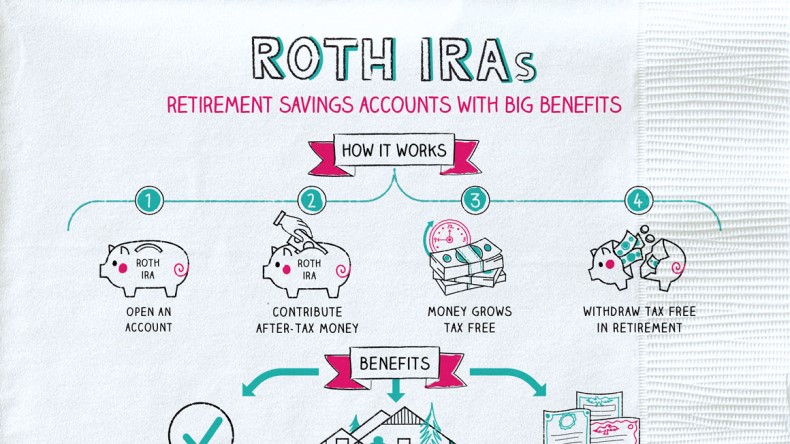
How a Roth IRA Works
When you invest in a roth ira, your money grows tax-free over time. This includes dividends, interest, and capital gains. The biggest advantage? Qualified withdrawals are completely tax-free.
Key Features of a Roth IRA
- Contributions are made with after-tax dollars
- Earnings grow tax-free
- Withdrawals in retirement are tax-free
- No required minimum distributions (RMDs)
This makes the roth ira especially valuable for younger investors who have decades of compounding ahead.
Top Benefits of a Roth IRA You Can’t Ignore
The roth ira offers several advantages that make it a must-have in your financial plan.
Tax-Free Retirement Income
One of the biggest benefits of a roth ira is that your withdrawals are completely tax-free after age 59½, provided the account has been open for at least five years.
Flexibility with Contributions
Unlike many retirement accounts, a roth ira allows you to withdraw your contributions (not earnings) at any time without penalties.
No Required Minimum Distributions
With a roth ira, you’re not forced to withdraw money at a certain age. This gives you more control over your retirement strategy.
Ideal for Estate Planning
A roth ira can be passed on to heirs, often tax-free, making it a powerful wealth-transfer tool.
Roth-IRA Contribution Rules and Limits
Understanding the rules of a roth-ira is crucial to maximizing its benefits.
Annual Contribution Limits
For most individuals, the contribution limit is:
- $6,500 per year (under age 50)
- $7,500 per year (age 50 and above)
Income Eligibility Requirements
Your ability to contribute to a roth-ira depends on your income level. Higher earners may face reduced contribution limits or be ineligible.
Contribution Deadlines
You can contribute to your roth-ira up until the tax filing deadline (usually April 15 of the following year).
Smart Roth-IRA Strategies for Maximum Growth
To truly unlock the power of a roth-ira, you need more than just basic knowledge — you need strategy.
Start Early and Stay Consistent
The earlier you begin investing in a roth-ira, the more time your money has to grow through compound interest.
Diversify Your Investments
A roth-ira can hold a variety of assets, including stocks, bonds, ETFs, and mutual funds. Diversification helps reduce risk.
Use Backdoor Roth-IRA Strategy
High-income earners who exceed contribution limits can still fund a roth-ira through a backdoor conversion strategy.
For more official IRS guidelines, you can visit:
https://www.irs.gov/retirement-plans/roth-iras
Common Roth-IRA Mistakes to Avoid
Even though a roth-ira is powerful, mistakes can cost you dearly.
Overcontributing
Exceeding the contribution limit can result in penalties. Always stay within the allowed limits for your roth-ira.
Ignoring Income Limits
Failing to account for income restrictions can lead to complications and penalties.
Withdrawing Earnings Too Early
Taking out earnings before age 59½ may result in taxes and penalties unless exceptions apply.
Roth-IRA vs Traditional IRA: Which Is Better?
Choosing between a roth-ira and a traditional IRA depends on your financial situation.
| Feature | Roth-IRA | Traditional IRA |
|---|---|---|
| Tax Treatment | Tax-free withdrawals | Tax-deferred |
| Contributions | After-tax | Pre-tax |
| RMDs | None | Required |
| Best For | Younger investors | Those expecting lower retirement tax rates |
A roth-ira is generally better if you expect to be in a higher tax bracket in the future.
Who Should Consider a Roth-IRA
A roth-ira isn’t just for one type of investor — it benefits many.
Young Professionals
If you’re early in your career, a roth-ira allows you to lock in today’s lower tax rates.
High-Income Earners (via Backdoor Strategy)
Even if your income is high, you can still benefit from a roth-ira using advanced strategies.
Business Owners
Entrepreneurs can use a roth-ira as part of a diversified retirement plan.
FAQs
What is a roth-ira?
A roth-ira is a retirement account that allows tax-free growth and tax-free withdrawals in retirement.
Is a roth-ira better than a 401(k)?
It depends. A roth-ira offers tax-free withdrawals, while a 401(k) may include employer matching.
Can I lose money in a roth-ira?
Yes, since investments inside a roth-ira can fluctuate based on market conditions.
How much should I contribute to a roth-ira?
Ideally, contribute the maximum allowed each year to fully benefit from tax-free growth.
Can I have both a roth-ira and traditional ira?
Yes, but contribution limits apply across both accounts.
When should I start a roth-ira?
As early as possible to maximize compound growth over time.
Conclusion
A roth-ira is more than just a retirement account — it’s a powerful financial strategy that can provide tax-free income, flexibility, and long-term security. By understanding the rules, avoiding common mistakes, and applying smart strategies, you can make the most of your roth-ira and build a future that’s both stable and prosperous.

