

7 Devastating Tax Return Status Mistakes That Delay Your Refund – Ultimate Guide
Waiting for your tax refund can feel like an eternity, especially when you’re counting on that money to pay bills, cover emergencies, or simply breathe easier. You filed your return, marked the calendar, and now you’re anxiously checking your tax return status every few hours. But the tax return status system isn’t always straightforward, and the mistakes you make while checking it can lead to unnecessary panic, wasted time, and even delayed refunds. At Syed Professional Services, we’ve helped countless clients navigate the tax return status process, and we’ve seen how simple errors turn into weeks of frustration. This comprehensive guide will expose seven devastating tax return status mistakes and show you exactly how to avoid them.
Whether you’re a U.S. citizen, a resident alien, or an immigrant navigating the complexities of American taxation, understanding your tax return status is essential for financial peace of mind. For immigrants, tax compliance and refund accuracy also carry immigration implications—your tax return status reflects your financial responsibility, which USCIS officers may review. With Syed Professional Services as your partner—combining tax, accounting, and immigration expertise—your tax return status journey can become a clear, predictable path toward your money.
What Is Tax Return Status and Why Does It Matter?
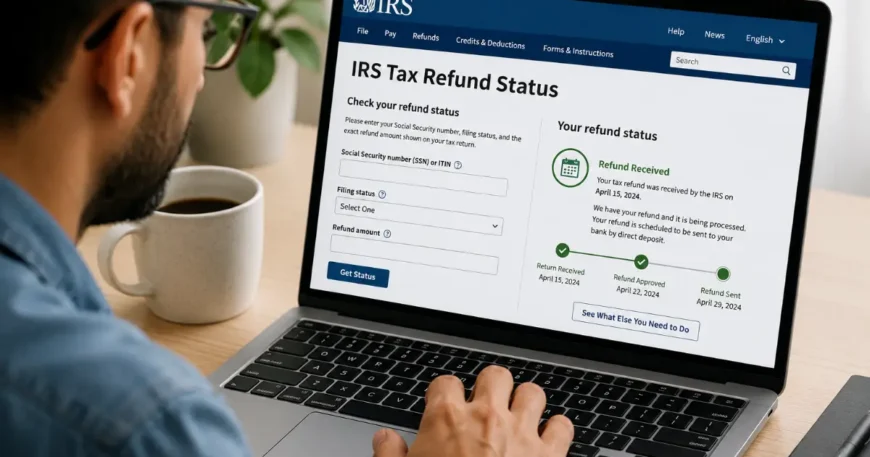
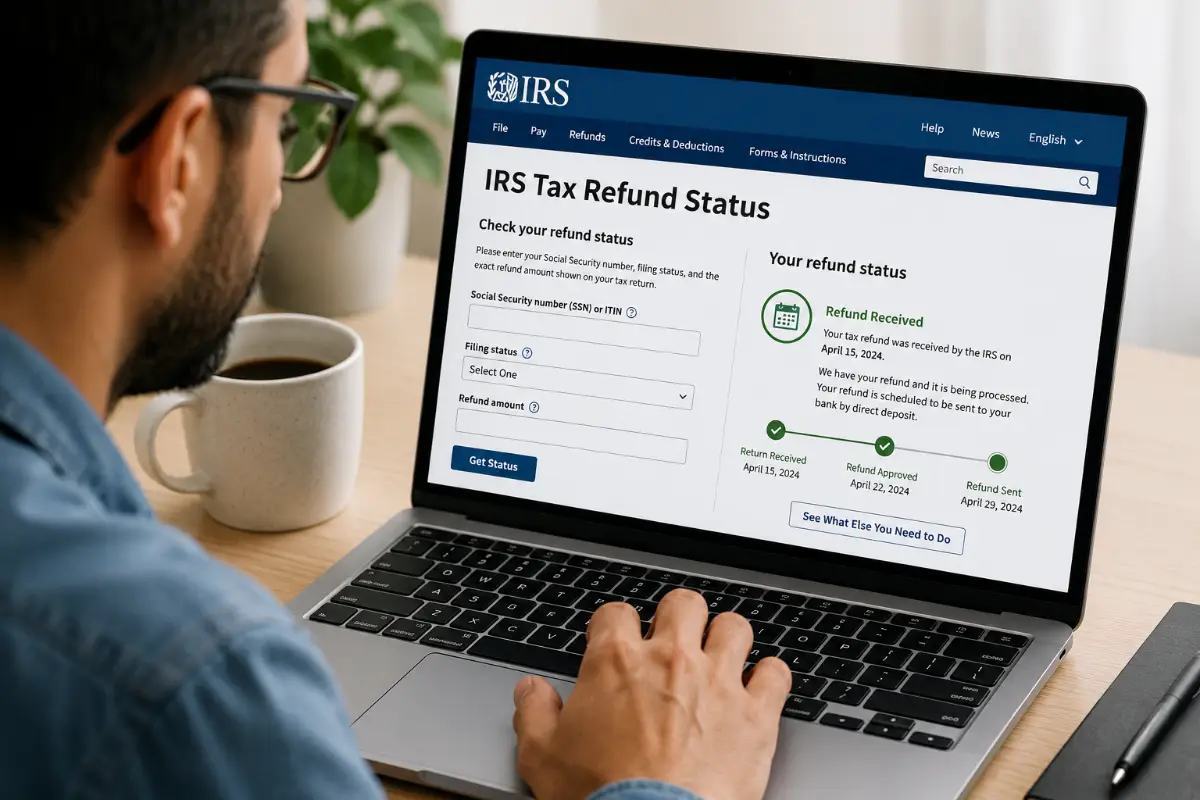
Your tax return status is the current stage of your tax return in the IRS processing pipeline. The IRS provides a tool called “Where’s My Refund?” that allows you to check your tax return status 24 hours after e-filing or four weeks after mailing a paper return. The tax return status tool displays one of three messages: Return Received, Refund Approved, or Refund Sent. Each message tells you where your refund is and what to expect next.
Your tax return status matters because it gives you visibility into a system that can otherwise feel like a black box. When you know how to check your tax return status correctly—and how to interpret what you see—you can identify problems early, respond to IRS requests promptly, and avoid the costly delays that come from guessing. For immigrants, a clean tax return status history supports your immigration case by demonstrating compliance and financial stability. A delayed or problematic tax return status can strain your finances at exactly the wrong time.
Devastating Mistake #1: Checking Your Tax Return Status Too Early and Panicking
The most common tax return status mistake is checking too early. The IRS updates its tax return status system once every 24 hours, usually overnight. If you file your return and immediately try to check your tax return status, you’re likely to see “No information available” or “Return not found.” This triggers panic. You assume something went wrong, call the IRS, and waste hours waiting on hold for an answer that wouldn’t have been necessary if you’d just waited.
The IRS provides clear timelines for when you can check your tax return status: 24 hours after e-filing, or four weeks after mailing a paper return. Before those windows, the tax return status tool simply hasn’t processed your return yet. Syed Professional Services advises clients to mark their calendars and resist the urge to check their tax return status prematurely. We also help you understand normal processing timelines so that you don’t misinterpret a “no information” message as a sign of trouble.
Devastating Mistake #2: Entering Incorrect Information When Checking Tax Return Status
The tax return status tool requires three pieces of information: your Social Security Number or ITIN, your filing status, and your exact refund amount. A single digit wrong—a transposed number in the refund amount, a filing status that doesn’t match your return—will produce an error message or incorrect tax return status. Many taxpayers become convinced their refund is lost simply because they entered the wrong information during their tax return status attempt.
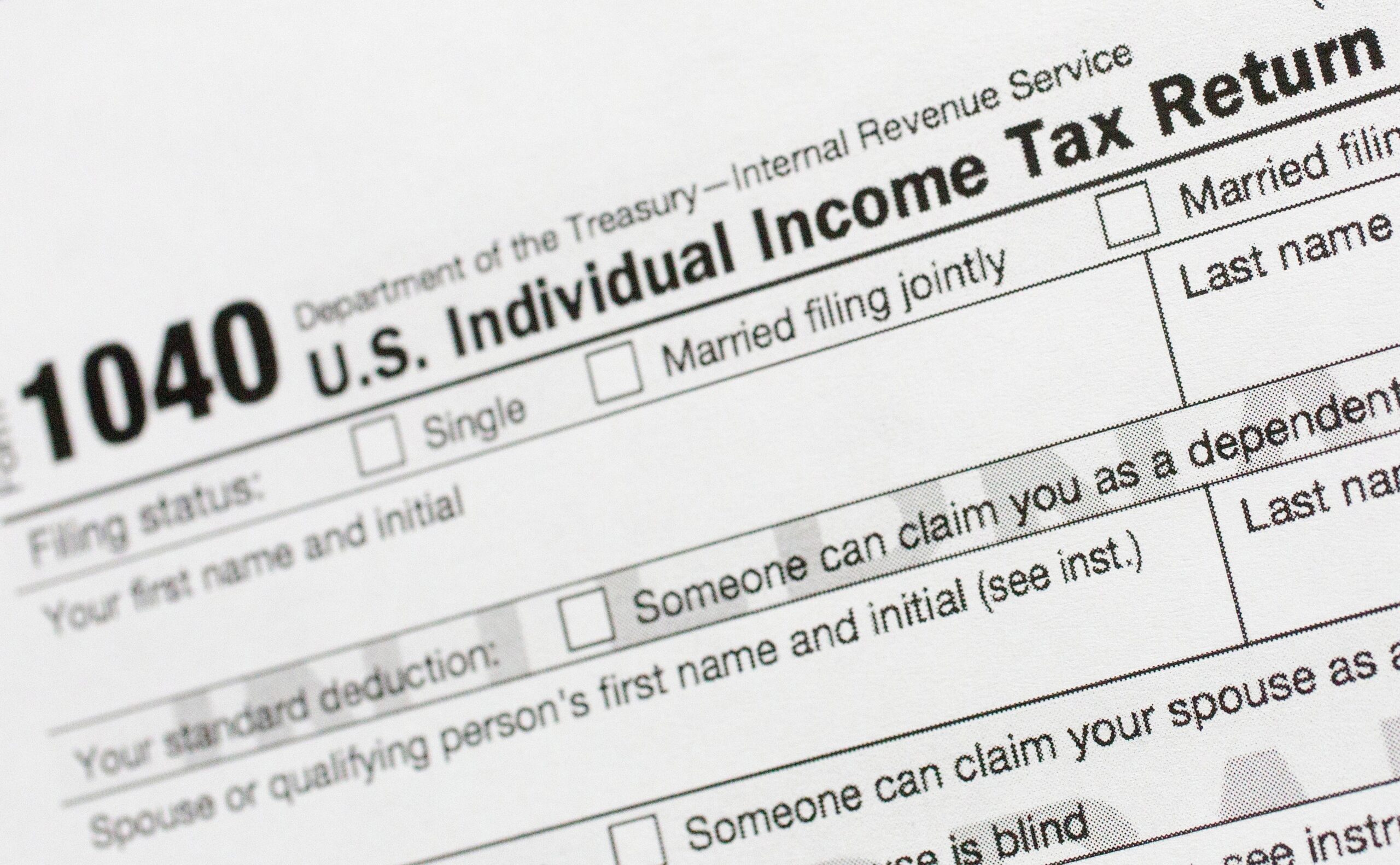
Before you check your tax return status, verify the exact refund amount from your filed return. Don’t round up or down. Don’t guess. Use the precise dollar figure that appears on line 35a of your Form 1040. Confirm your filing status exactly as it appears. If you used an ITIN, enter it exactly. Syed Professional Services provides clients with a post-filing checklist that includes the exact information needed to check tax return status successfully. We eliminate the frustration of error messages by ensuring you have the right data before you begin.
Devastating Mistake #3: Ignoring Delays Revealed by Your Tax Return Status
When you check your tax return status and see a message like “Your return is being reviewed” or “Your refund has been delayed,” it often means the IRS found an error on your return. Common errors include math mistakes, incorrect Social Security numbers for dependents, mismatched income reported on W-2s or 1099s, or missing forms. These errors trigger a manual review, and your refund sits in limbo while an IRS employee examines your file.
The mistake is ignoring the delay and hoping it resolves itself. Instead, you should check your tax return status regularly and, if the delay extends beyond normal processing times, investigate the cause. Syed Professional Services helps clients respond to IRS review notices quickly and accurately. We identify the error that triggered the review, prepare the necessary documentation, and communicate with the IRS to move the refund forward. A proactive approach to your tax return status saves weeks or months of waiting.
Devastating Mistake #4: Filing a Paper Return and Obsessively Checking Tax Return Status
Paper returns take significantly longer to process than e-filed returns. The IRS processes paper returns manually, and during peak season, the backlog can be substantial. A taxpayer who files by paper and then tries to check their tax return status every day will see “No information available” for weeks, sometimes months. The daily checking becomes an obsessive, anxiety-producing ritual that accomplishes nothing.
The mistake is not understanding the timeline. If you file by paper, the IRS says you can check your tax return status four weeks after mailing. But even that timeline can stretch during busy periods. Syed Professional Services recommends e-filing whenever possible to speed processing and enable faster tax return status access. If you must file by paper, set realistic expectations and use the tax return status tool on a weekly schedule, not daily. We also help clients transition to e-filing for future years, making the tax return status process more predictable.
Devastating Mistake #5: Failing to Address Identity Theft or Fraud Flags on Tax Return Status
When you check your tax return status and see a message indicating that your return is under review for potential identity theft or fraud, it’s a serious issue that requires immediate action. The IRS may have flagged your return because someone filed using your Social Security Number, or because the income reported on your return doesn’t match records on file. Ignoring this tax return status—or assuming it will resolve itself—can leave your refund frozen indefinitely and expose you to further fraud.
If your tax return status indicates identity theft or fraud review, contact the IRS immediately. You may need to complete an Identity Theft Affidavit (Form 14039) or verify your identity through the IRS Identity Verification Service. Syed Professional Services assists clients with identity theft resolution, including communicating with the IRS, preparing documentation, and securing your tax account. We help you move from a frozen tax return status to a resolved, paid refund as quickly as possible.
Devastating Mistake #6: Not Updating Bank Information Before Your Tax Return Status Shows “Refund Sent”
When you check your tax return status and see that your refund has been approved, you’ll also see the date it was sent—either by direct deposit or by mail. A frustrating mistake occurs when the bank account information on your return is incorrect or outdated. The direct deposit fails, the refund is returned to the IRS, and your tax return status changes to something confusing. You may then wait weeks for a paper check to be mailed.
Before you file, double-check your bank routing and account numbers. If you close a bank account after filing, update your information with the IRS immediately. When you check your tax return status and see a “Refund Sent” status but the money hasn’t arrived, verify the bank account on your return and contact the IRS to correct it. Syed Professional Services helps clients ensure their direct deposit information is accurate before filing, preventing the tax return status confusion that comes from failed deposits.
Devastating Mistake #7: Confusing Federal and State Tax Return Status
Many taxpayers use the phrase tax-return status without specifying whether they’re checking their federal or state refund. The IRS “Where’s My Refund?” tool only tracks federal refunds. State refunds are tracked through separate state agency tools. A taxpayer who files both federal and state returns might check their tax-return status on the IRS website and see “Refund Sent,” then assume the state refund is also on its way. When the state refund doesn’t arrive, they panic.
The mistake is not understanding the separate systems. When you check your tax-return status, know which refund you’re checking. Federal refunds are tracked through IRS tools. New York State refunds are tracked through the New York State Department of Taxation and Finance website. Syed Professional Services helps clients navigate both systems, ensuring they know exactly where to check tax-return status for each jurisdiction. We provide clear guidance on expected timelines for both federal and state refunds.
How to Check Tax Return Status Correctly: A Step-by-Step Guide
Here is the professional tax-return status process Syed Professional Services recommends:
-
Wait the appropriate time. After e-filing, wait at least 24 hours before you check your tax-return status. After paper filing, wait four weeks.
-
Gather your information. Have your Social Security Number or ITIN, filing status, and exact refund amount ready.
-
Use the official IRS tool. Go to IRS.gov and click “Where’s My Refund?” This is the only official place to check tax-return status for federal returns.
-
Enter your information correctly. Type your Social Security Number, filing status, and refund amount exactly as they appear on your return.
-
Read the status carefully. Understand what “Return Received,” “Refund Approved,” and “Refund Sent” mean. If you see a delay message, note the details.
-
Check on a schedule. The IRS updates the tax-return status tool once daily. Checking multiple times a day doesn’t provide new information.
-
Take action on delays. If your tax-return status shows a delay beyond normal timelines, investigate the cause and respond to any IRS requests.
-
Use state tools for state refunds. For New York State refunds, use the state’s own tax-return status tool.
This process transforms tax-return status from a confusing chore into a clear, manageable routine. Syed Professional Services guides clients through each step and intervenes when statuses indicate problems.
The Connection Between Tax Return Status and Immigration Cases
For immigrants, the tax-return status process takes on additional significance. Tax compliance is a cornerstone of good moral character for naturalization and a key factor in public charge determinations. If your refund is delayed because of an error on your return, that error may also appear in the tax records USCIS reviews. A frozen tax return status can signal underlying tax problems that immigration officers notice.
Syed Professional Services integrates tax return status monitoring into our broader immigration support. We help clients resolve tax issues that cause refund delays, ensuring that their tax records are clean before they face USCIS scrutiny. When you work with us, your tax-return status becomes part of a comprehensive strategy to protect both your money and your immigration status.
Real-World Consequences of Tax Return Status Mistakes
Consider these composite scenarios based on cases we’ve encountered:
Scenario 1: A taxpayer filed her return and immediately tried to check her tax return status. She saw “No information available” and panicked, calling the IRS and waiting three hours on hold. The representative told her to wait 24 hours. The next day, her tax return status showed “Return Received.” The anxiety was unnecessary.
Scenario 2: A freelancer entered the wrong refund amount when trying to check his tax-return status. The tool returned an error message, and he assumed his refund was lost. He didn’t realize his mistake until Syed Professional Services reviewed his return and showed him the correct refund figure. A simple data entry error caused weeks of unnecessary stress.
Scenario 3: A green card applicant discovered through her tax-return status that her return was under review for a mismatch with her W-2. The same mismatch appeared in the tax records USCIS requested. Syed Professional Services resolved the mismatch, released the refund, and provided corrected documentation for the immigration case.
In each case, understanding the tax-return status process—and having professional support—made all the difference.
Frequently Asked Questions About Tax Return Status
Q: How often can I check my tax return status?
A: The IRS updates the tax-return status tool once every 24 hours, typically overnight. Checking multiple times daily provides no new information.
Q: What does “Refund Approved” mean when I check my tax return status?
A: When you check your tax return status and see “Refund Approved,” the IRS has finished processing your return and approved your refund. The next status will be “Refund Sent” with a date.
Q: Why does my tax-return status say “Being Processed”?
A: This usually means the IRS is still reviewing your return. If the tax-return status remains unchanged for more than 21 days after e-filing, contact the IRS or seek professional help.
Q: Can I check my tax return status for previous years?
A: Yes, the tax-return status tool allows you to check the current year and the prior two years.
Q: What if my tax-return status says the refund was sent but I didn’t receive it?
A: Verify the bank account on your return. If the direct deposit failed, the IRS will mail a paper check. If the paper check was lost, request a trace through the IRS.
Proactive Steps You Can Take Today
-
Gather your return information—Social Security Number, filing status, and exact refund amount—so you’re ready to check your tax-return status when the time comes.
-
Set realistic expectations about refund timelines based on how you filed—e-file is faster, paper is slower.
-
Verify your bank information before filing to ensure direct deposit goes through.
-
Contact Syed Professional Services if your tax-return status shows unexpected delays or if you need help resolving tax issues affecting your refund.
Conclusion: Master Your Tax Return Status for Peace of Mind
The seven devastating mistakes—checking too early, entering wrong information, ignoring errors, obsessing over paper returns, failing to address fraud flags, not updating bank details, and confusing federal and state statuses—are all avoidable with knowledge and patience. Your tax-return status is designed to give you visibility, but only if you use it correctly. With the right approach, you can track your refund confidently and address any issues that arise.
Syed Professional Services is your partner in making the tax-return status process work for you. We bring tax, accounting, and immigration expertise to ensure that your refund arrives as quickly as possible and that any delays are resolved efficiently. Don’t let confusion or anxiety dominate your refund experience. Contact us today for help with your tax filing, refund tracking, and financial peace of mind. Together, we’ll make your tax-return status journey smooth, predictable, and successful. Your money is out there—let’s make sure you get it.

